There’s something beautifully chaotic about gaming communities. One minute we’re all bonding over shared boss fight struggles, the next we’re plotting elaborate schemes to make sure our favorite game beats the competition in awards season. It’s like the digital version of playground politics, except now the stakes involve prestigious trophies and bragging rights that can last for years.
This week, a Genshin Impact fan dropped a confession that’s got the gaming world talking. In a surprisingly honest moment, they revealed exactly how their community managed to secure victory in the Player’s Voice awards – and it wasn’t just about having the best game.
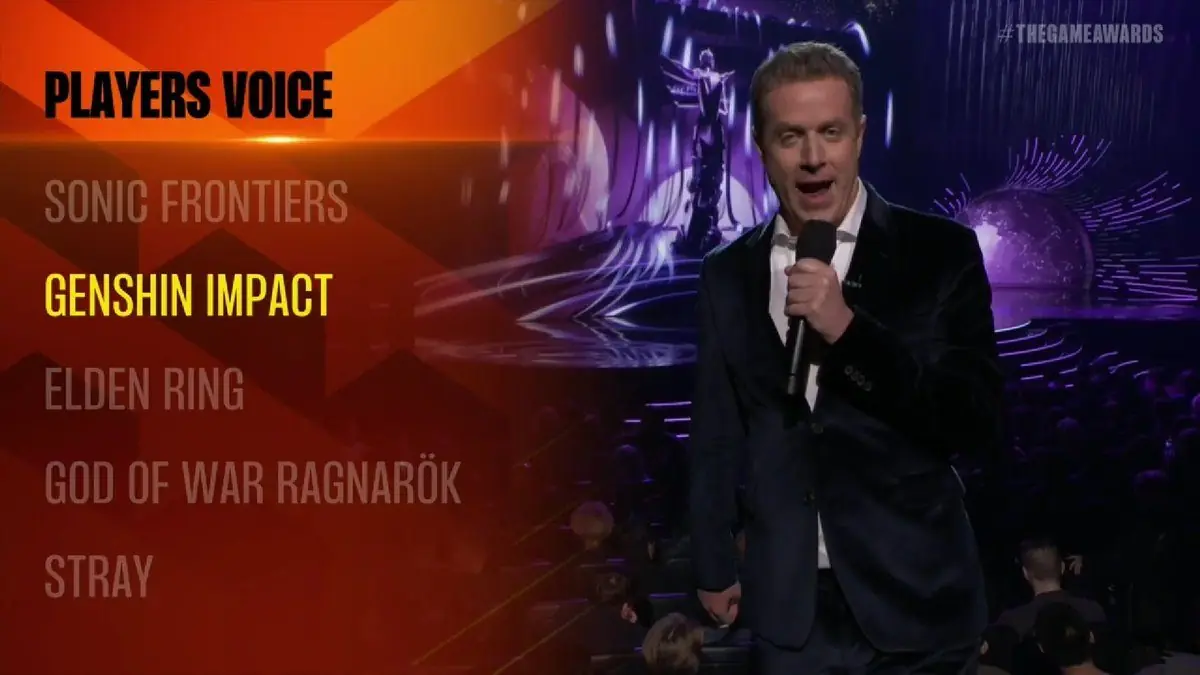
“It’s called the Player’s Voice not the Gamers Voice for a reason, it can be easily manipulated simply by making people feel their game too eager to win. Also Genshin Impact won that same award against Elden Ring and God of War Ragnarok. We had beef against Sonic fans so we won😌” – @AmanogawaT2025
That casual emoji at the end really sells the whole thing, doesn’t it? There’s something almost endearing about the matter-of-fact way this fan explains their victory strategy. It reminds me of being a kid and admitting you totally cheated at Mario Kart by unplugging your friend’s controller – except this time, the stakes were a lot higher.
The confession reveals something fascinating about how modern gaming awards work. When you call something the “Player’s Voice” award, you’re essentially inviting every passionate fanbase to mobilize their troops. It’s not necessarily about which game is objectively better – it’s about which community can rally the most votes. And honestly? That’s both the beauty and the problem with community-driven recognition.
Genshin Impact beating heavyweights like Elden Ring and God of War Ragnarok isn’t just impressive – it’s a testament to how organized and dedicated that fanbase really is. These aren’t casual mobile gamers we’re talking about. These are people who plan their daily schedules around resin refills and can discuss the intricacies of elemental reaction mechanics for hours. When they decide to win something, they bring that same energy to the voting booth.
But here’s where things get interesting. The fan mentions having “beef against Sonic fans” as part of their motivation. This suggests the voting wasn’t just about supporting Genshin Impact – it was about actively working against other communities. It’s the difference between cheering for your team and actively booing the opposing team’s fans.
This kind of community rivalry isn’t new in gaming. We’ve seen it with console wars, with fighting game tournaments, with speedrunning communities. What’s different now is how these rivalries can directly influence official recognition and awards. Your childhood memories of arguing whether Mario or Sonic was better have evolved into organized campaigns that can actually change outcomes.
The whole situation raises some uncomfortable questions about gaming awards in general. If passionate fanbases can essentially coordinate to manipulate results, what does that say about the integrity of player-chosen recognition? Are we measuring actual game quality, or just which community has the best organizational skills and the most free time?
On the flip side, maybe this is exactly what “Player’s Voice” should be about. These fans aren’t just clicking buttons randomly – they’re deeply invested in their games and communities. Their passion is real, even if their methods might seem a bit questionable. There’s something authentic about a community that cares enough to organize and fight for recognition of something they love.
It also highlights how gaming has evolved from a solitary hobby into these massive, interconnected communities. The fact that Genshin Impact fans could mobilize enough to beat major console exclusives shows just how powerful and organized mobile gaming communities have become. That’s actually pretty remarkable when you think about it.
Looking ahead, this confession might force award organizers to rethink how community voting works. Maybe we need better systems to prevent organized manipulation, or maybe we need to embrace the chaos and accept that passionate communities will always find ways to support their favorites. Either way, it’s clear that the current system has some interesting loopholes that dedicated fans are more than happy to exploit.
The gaming industry loves to talk about “community” and “player voice” – well, this is what that actually looks like in practice. It’s messy, it’s competitive, and it’s probably not going away anytime soon. Whether that’s a good thing or a bad thing probably depends on which side of the vote you’re on.