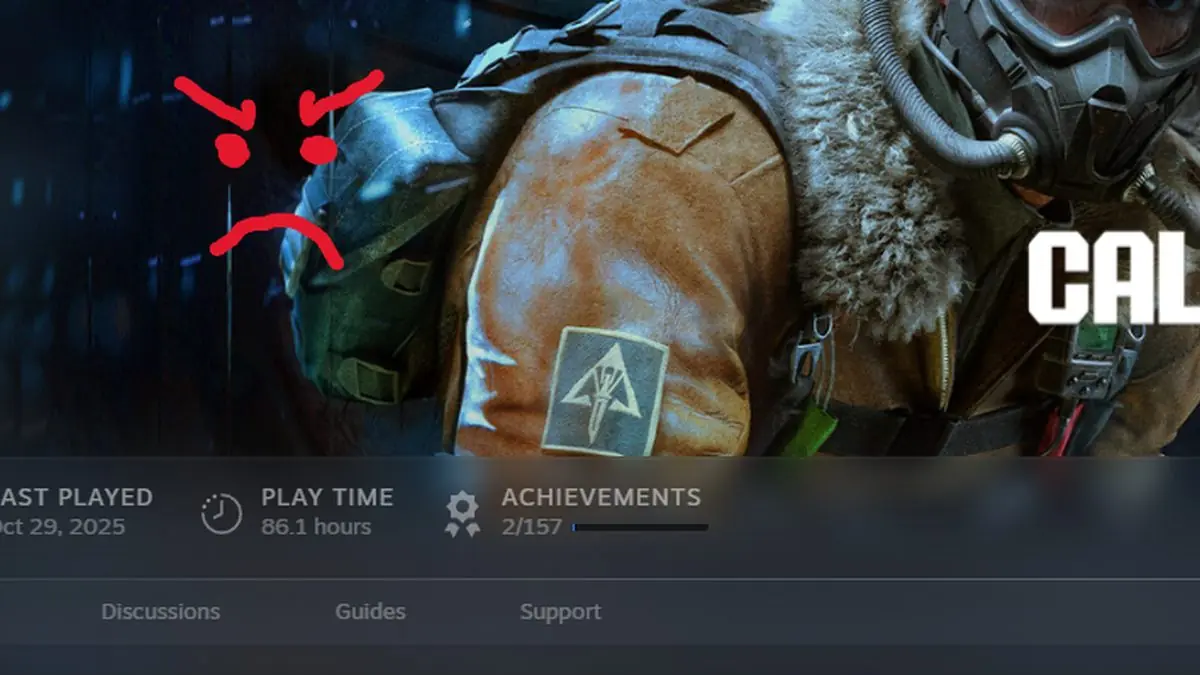
Sometimes you hit a wall. For one dedicated Call of Duty player, that wall was measured in gigabytes.
“Uninstalled Call of Duty for first time in years. Shocked at the damn size of this thing.” – u/Linus_in_Chicago on r/gaming
That’s it. Clean and simple. No elaborate explanation needed.
This player stuck with Call of Duty through years of ups and downs. Through different studios, different engines, different controversies. But file size? That’s what finally broke the camel’s back.
It’s not surprising. Call of Duty has become the poster child for bloated game installations. Modern Warfare 2019 peaked at over 200GB. Warzone alone can eat 100GB of your drive. That’s more storage than entire AAA games used to require.
The numbers don’t lie. A standard 500GB console drive can barely hold two modern Call of Duty titles. Add in system files and updates? You’re looking at a storage crisis.
Here’s the tactical breakdown. High-resolution textures are the biggest culprit. 4K asset packs that most players never use. Multiple language files downloaded by default. Uncompressed audio taking up massive chunks of space.
Then there’s the worst part – redundant data. When you install Warzone, Modern Warfare, and the latest release, you’re downloading duplicate assets. Same guns, same maps, same sound effects. Three times over.
Console players feel this pain most. You can’t just buy a bigger SSD like PC players. Xbox Series S ships with 512GB total. After system overhead, you’re looking at maybe 360GB usable. One Call of Duty install and you’re done.
Sony tried to solve this with PS5’s expandable storage. But those certified SSDs cost $200-300. That’s half the price of the console itself.
The industry pushed 4K everything without considering the storage cost. Textures that look identical to most players but take 10x the space. It’s like ordering a tank when you needed a jeep.
Developers know this is a problem. Activision has tried modular installs. Download just campaign, just multiplayer, just Warzone. But the execution is clunky. Players still end up with massive downloads.
Compression technology exists. Nintendo proves it every day. Breath of the Wild is 13.4GB. That’s a massive open world with hundreds of hours of content. Meanwhile, a single Call of Duty map update can be 20GB.
The difference is priorities. Nintendo optimizes for storage because the Switch uses expensive flash memory. Activision optimizes for development speed because they ship yearly releases.
This isn’t just a Call of Duty problem anymore. Gears 5 is 130GB. Red Dead Redemption 2 hits 150GB. The new NBA 2K games approach 200GB. We’re normalizing bloated installations.
Bandwidth isn’t keeping up either. Not everyone has gigabit fiber. Rural players still deal with data caps. A single game update can blow through their monthly limit.
Smart storage management is becoming a meta-game itself. Players juggle installations like inventory management. Uninstall this to play that. Delete campaign mode to make room for the latest update.
The technical solution exists – better compression, smarter asset streaming, modular downloads that actually work. The business incentive doesn’t. Storage problems don’t show up in review scores.
When longtime players start walking away over file size alone, that’s a wake-up call. This player didn’t complain about gameplay, monetization, or bugs. Just pure storage frustration.
The next generation of SSDs will be faster and cheaper. But game sizes are growing faster than storage technology. We’re in an arms race between bloat and capacity.
Something has to give. Either developers start taking storage seriously, or more players will follow this example. Sometimes the simplest solutions hit hardest – just uninstall and move on.
The industry spent years chasing visual fidelity. Now it’s time to chase efficiency. Because what good is a beautiful game if players can’t keep it installed?