Game development is messy. We all know publishers and developers don’t always see eye to eye. But it’s rare to get such a direct look behind the curtain.
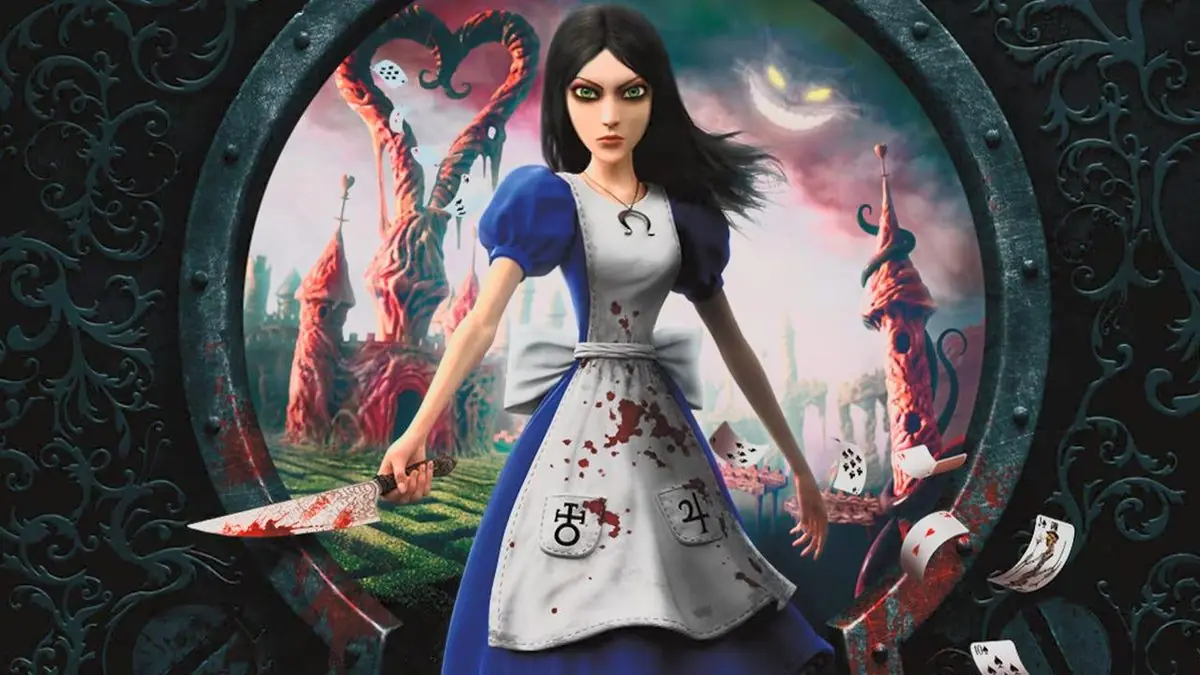
American McGee just dropped some serious tea about his time making Alice: Madness Returns. The director revealed that EA kept pushing him to crank up the violence and sex appeal during development. This wasn’t just creative feedback – this was a publisher actively trying to reshape someone’s artistic vision.
The gaming community is buzzing about these revelations. Players are sharing their thoughts and connecting the dots about publisher interference across the industry.
“Alice: Madness Returns Director American McGee Says EA Wanted More Gore And Asked Him To ‘Make Thing'” – u/unscoredscore on r/gaming
For those who need a refresher, Alice: Madness Returns was already pretty dark. We’re talking about a twisted take on Alice in Wonderland with psychological horror themes. The game featured plenty of violence and mature content. So EA wanting even more gore and sex raises some serious questions about their priorities.
McGee’s Alice games have always walked a fine line. They blend childhood nostalgia with adult themes in ways that feel genuine rather than exploitative. The original American McGee’s Alice tackled mental health and trauma through surreal imagery. Madness Returns continued that tradition while expanding the gameplay.
But EA apparently wanted something different. They wanted more blood. More skin. More of whatever they thought would sell copies to teenage boys.
This isn’t just about one game or one developer. We’ve seen this pattern play out across the industry for years. Publishers push developers toward focus-tested formulas. They demand changes that don’t serve the creative vision. Sometimes those changes work out. Often they don’t.
Remember when Dead Space 3 got pushed toward co-op and microtransactions? Or when Mass Effect 3’s ending felt like it came from committee? Publisher interference isn’t always obvious to us players. But it shapes the games we love in ways we don’t always realize.
The Alice series represents something special in gaming. It’s weird. It’s personal. It’s the kind of project that can only happen when creative people get to follow their instincts. EA’s demands for more gore and sexiness feel like they missed the point entirely.
McGee has been trying to get a third Alice game made for years. He’s pitched it multiple times. He’s even tried crowdfunding approaches. But the rights are still tied up with EA. And after hearing about their creative input on the last game, you have to wonder what they’d demand this time around.
The gaming landscape has changed a lot since Madness Returns came out in 2011. We have more indie publishers now. More platforms for smaller developers. More ways for creative people to maintain control over their projects.
But the big publishers still hold most of the cards. They control the biggest budgets. They have access to the largest audiences. And they’re still making the same kinds of demands they made fifteen years ago.
What’s encouraging is that more developers are speaking up about these experiences. McGee’s transparency helps us understand how publisher pressure shapes the games we play. It also reminds us to support developers who fight to maintain their creative vision.
The Alice games deserve better than focus-group interference. They represent the kind of unique, personal gaming experiences that we need more of. Not less.
As for what comes next, McGee continues to advocate for a third Alice game. But he’s also moved on to other projects where he has more creative control. That might be the real lesson here. Sometimes the best response to publisher interference is to find a different publisher.
We deserve games that come from genuine creative passion. Not boardroom demands for more gore and sexiness. McGee’s revelations remind us why creative freedom matters in gaming. And why we should pay attention to who’s really calling the shots behind our favorite games.