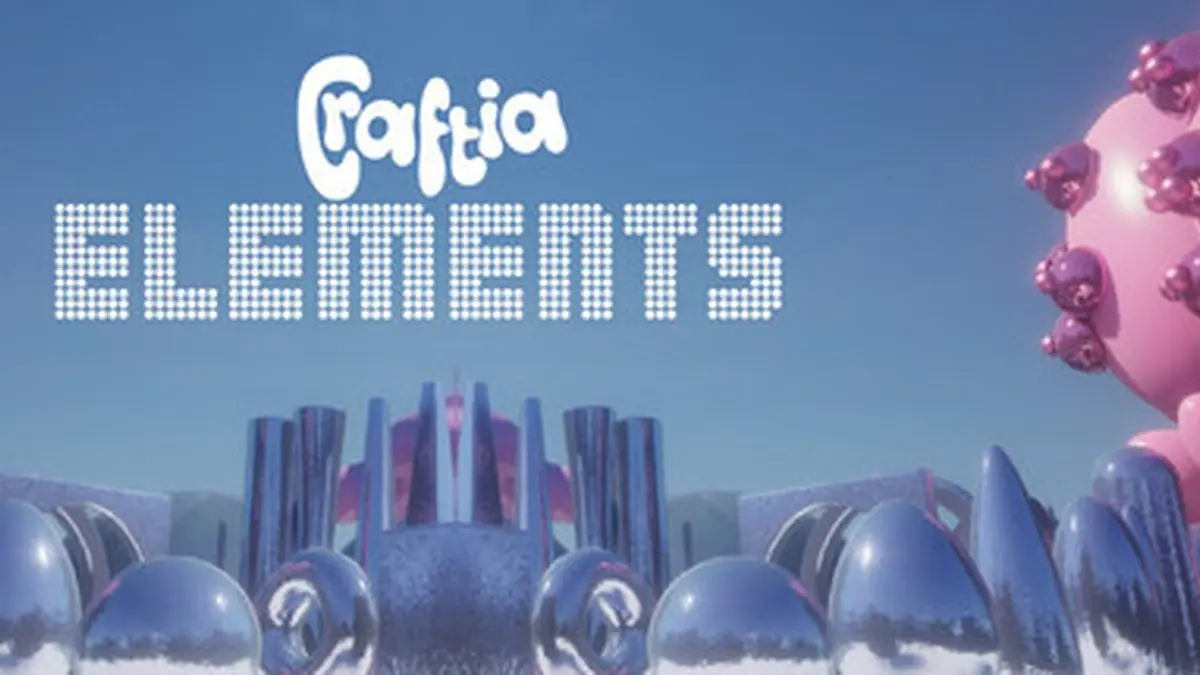
The curtain rises on an unusual scene in the indie gaming theater. Where most developers hide behind polished marketing speak and carefully orchestrated reveals, two creators step forward with something rarer than a perfect launch: brutal honesty.
Craftia Elements has arrived not with fanfare, but with a confession. This isn’t your typical indie game debut where everything is “amazing” and “revolutionary.” Instead, it’s a masterclass in transparency that cuts through the industry’s usual smoke and mirrors.
The announcement reads like a letter from the trenches of game development. Andreas Haberland, speaking for the two-person team, delivers news that should terrify any marketing executive but somehow feels refreshing in its authenticity.
“Now, a little honesty: there are a few small quirks and inconsistencies still hanging around. Think of them as ‘character’ for now. 😅 We’d planned to iron them all out before anyone saw, but one of us has to step away for a bit for personal reasons.” — Craftia Elements on Steam
This isn’t just an admission of imperfection. It’s a declaration of war against the polished facade that suffocates so many indie launches. The team acknowledges their creation’s rough edges while inviting players into the creative process itself.
The game offers three distinct modes that paint a picture of ambition meeting reality. Sticker Mode transforms building into an art form, letting players craft blocks by layering shapes with various materials. World Mode expands this canvas, allowing atmospheric manipulation and automatic save systems. Third Person Mode introduces Natalie, a character who can explore these player-created worlds on foot, complete with the ability to fail.
It’s a trinity of creative expression wrapped in honest packaging.
But here’s where cynics might sharpen their knives. A soft launch with admitted flaws? Some could see this as an excuse to ship an unfinished product. The gaming community has been burned before by early access promises that never deliver.
The personal circumstances forcing this early launch could ring alarm bells for players who’ve watched too many indie projects crumble under life’s pressures. There’s legitimate concern about whether this two-person team can deliver on their promise to polish the rough edges.
Yet something feels different here. The transparency cuts both ways. By admitting imperfection upfront, the developers have set expectations at ground level rather than promising the moon. The 20% discount isn’t just a launch incentive—it’s acknowledgment that early adopters are getting an unfinished experience.
This approach reveals something profound about modern game development. We’ve become so accustomed to marketing doublespeak that honest communication feels revolutionary. When a developer says “we’re not calling it finished yet, just ready for you,” it transforms the player relationship from consumer to collaborator.
The indie scene has always been about passion projects and personal expression. Craftia Elements embodies this spirit by refusing to hide behind corporate polish. It’s gaming as human endeavor rather than commercial product.
This transparency model could reshape how small teams approach launches. Instead of burning out trying to achieve perfection, developers might find strength in honest communication and community partnership. The 20% discount becomes a symbol of mutual respect—developers acknowledging their limitations while players accept the role of co-creators.
The building and exploration mechanics suggest deeper potential. Creating worlds through stickers and blocks, then experiencing them through Natalie’s eyes, hints at a game that understands the joy of both creation and discovery. It’s digital architecture with a human touch.
The path forward for Craftia Elements depends entirely on execution. The developers have bought themselves goodwill through honesty, but that currency has limited value if the core experience fails to engage.
Players will determine whether this transparency experiment succeeds or becomes a cautionary tale. The Steam reviews and community feedback will write the next chapter of this unusually honest indie story.
For now, Craftia Elements stands as something rare in gaming: a product that treats its audience as partners rather than customers. Whether that partnership flourishes or fractures will define not just this game’s fate, but potentially influence how indie developers approach future launches.
The soft launch continues. The curtain remains open. The real performance has just begun.