Game files hitting the internet before release day isn’t exactly breaking news, but each leak tells us something about where the industry’s security measures stand against increasingly sophisticated emulation tools.
The latest instance involves an unspecified game that’s already running on PC emulators despite not officially launching yet. The technical reality here is pretty straightforward — once a game file exists in any form, whether it’s a review copy, retail cartridge, or development build, it’s essentially a race between security measures and extraction methods.
For some in the gaming community, early access through emulation represents a chance to experience upcoming titles ahead of schedule. The excitement is real, even if the methods are questionable:
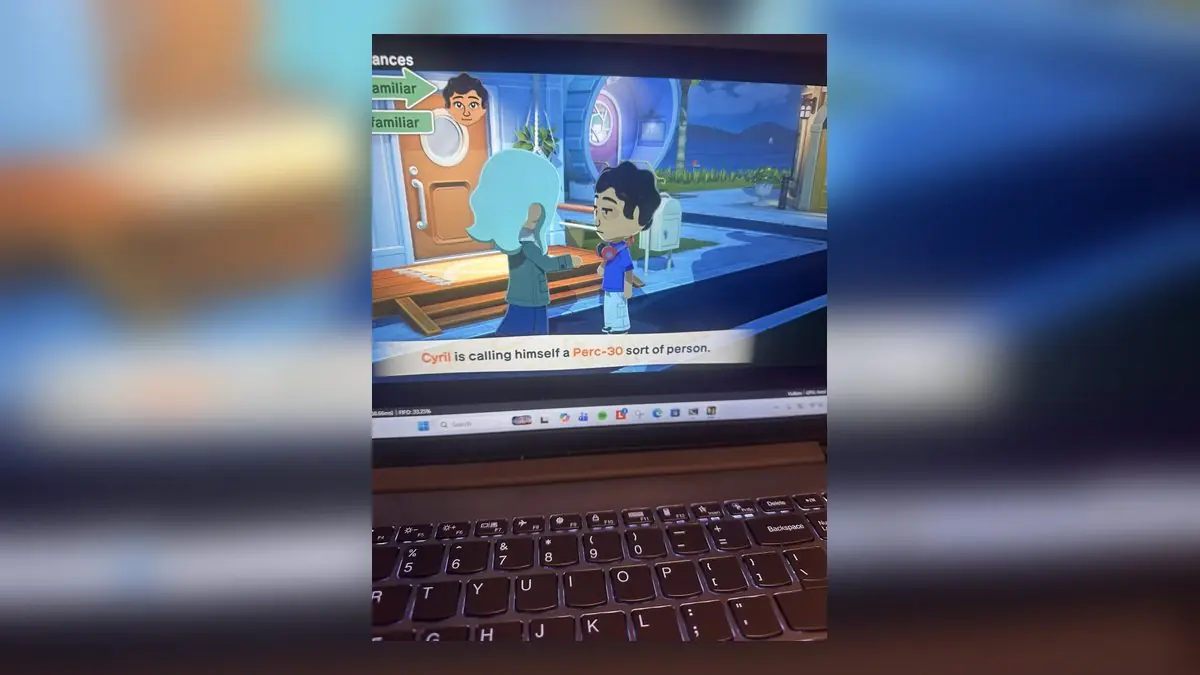
“Like the game file literally leaked and people are able to emulate it onto their computer before the release date” — @queefdeimos
This kind of early access highlights just how capable modern emulation has become. We’re not talking about the clunky, frame-dropping emulators of the early 2000s. Today’s emulation software can often run leaked games at higher resolutions and framerates than the original hardware intended.
But for every person celebrating early access, there’s a developer watching potential sales evaporate before launch day. Game leaks create a cascading problem for studios. Review embargos become meaningless when streamers are already broadcasting gameplay. Marketing campaigns built around reveal timing get derailed. Pre-order numbers take hits as people decide they’ve already “tried before buying.”
The technical arms race between pirates and publishers continues to escalate. Publishers pour resources into increasingly complex DRM systems, encrypted game files, and server-side validation. Meanwhile, the reverse engineering community treats each new protection scheme like a puzzle to solve.
What makes modern game leaks particularly problematic is how quickly they spread. A single leaked file can propagate across torrent networks and reach thousands of users within hours. The emulation barrier that once limited piracy to tech-savvy users has largely disappeared — user-friendly emulation frontends make the process nearly as simple as installing any other PC game.
From a purely technical perspective, this leak demonstrates several key points about current game security. First, the fact that the game runs properly on emulators suggests it’s likely a complete retail build rather than an incomplete development version. Second, any copy protection present was either absent, weak, or already cracked.
The emulation angle also reveals something interesting about modern console architecture. Today’s gaming systems share more DNA with PCs than ever before, making emulation faster and more accurate. When a PlayStation 5 game can run on PC emulation software within months of the console’s launch, it shows how the technical barriers between platforms continue to shrink.
For publishers, these leaks represent a fundamental challenge with digital distribution. Physical media had its own piracy issues, but digital files are infinitely copyable and distributable. Even with day-one patches and online requirements, core game experiences often remain intact in leaked pre-release builds.
The timing of leaks also tends to follow predictable patterns. Review periods, manufacturing deadlines, and retail distribution create multiple points where game files can escape into the wild. Publishers have gotten better at controlling these chokepoints, but eliminating them entirely would require fundamental changes to how games reach market.
Looking ahead, the industry continues investing heavily in cloud-based gaming and streaming services partly as a response to piracy concerns. When the actual game code never leaves the server, traditional file-based piracy becomes impossible. However, this approach brings its own technical challenges around latency, bandwidth, and user experience.
Server-side processing and streaming represent one potential future, but they’re not universal solutions. Many gamers still prefer local processing for performance reasons, and internet infrastructure limitations make cloud gaming impractical for significant portions of the global market.
The leaked game situation also highlights how emulation preservation efforts and piracy often intersect in complicated ways. While commercial piracy clearly harms developers, emulation also serves important roles in game preservation and accessibility.
Anti-tamper technologies continue evolving, with newer implementations making cracking significantly more time-consuming and complex. However, these systems often impact legitimate users through performance overhead and compatibility issues, creating tension between security and user experience.
The broader trend suggests we’re moving toward hybrid approaches — combining traditional DRM with server-side validation, cloud processing for critical game logic, and rapid post-launch content updates that make leaked pre-release versions quickly obsolete.
Ultimately, each game leak serves as a real-world stress test of current security measures. Publishers analyze what went wrong, patch the vulnerabilities, and iterate their protection strategies. Meanwhile, the emulation and reverse engineering communities continue pushing technical boundaries.
This particular leak may not represent a major industry earthquake, but it’s another data point in the ongoing evolution of digital game security. As emulation technology advances and distribution methods multiply, finding the right balance between protecting content and delivering great user experiences remains one of the industry’s most persistent technical challenges.