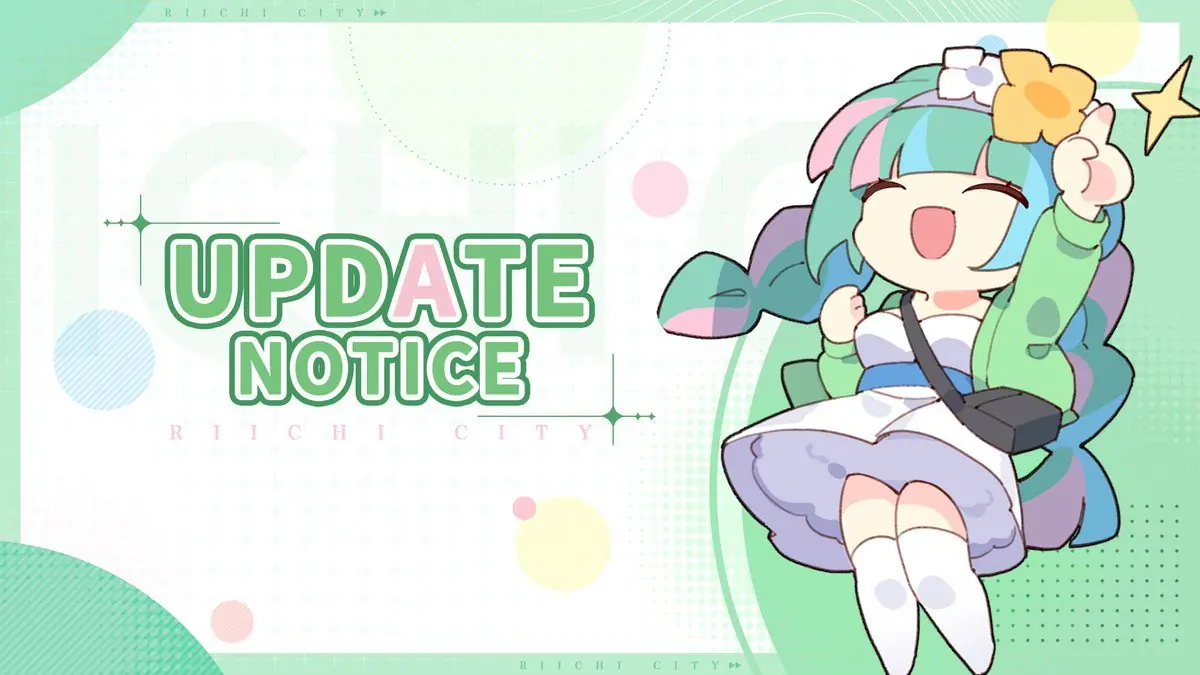
Riichi City dropped its latest update today. The mobile mahjong game is bringing back Enomiya Mio for a limited-time character rerun. Meanwhile, new touch effects are rolling out alongside rate-up events for fan favorites.
The timing feels deliberate. Character reruns typically signal strong player demand. Enomiya Mio must have performed well during her initial release window. Notably, the developers are packaging her return with two exclusive outfits.
Today’s update covers several fronts. The official announcement breaks down what players can expect.
“Today’s game update is complete. When you exit the game then log in again, the update will be applied correctly✨ 1. New Touch Effects 2. Anniv. Character Enomiya Mio Limited-Time Rerun! The following outfits and packs will be available for a limited time! ◆ Enomiya Mio – Catch of the Day (SP) ◆ Enomiya Mio – Bullet & Beverage 3. Fuwa Mahiru & Gin Limited-Time Rate Up! The following outfits and packs will be available for a limited time! ◆ Gin – Soft Blush (SP) ◆ Fuwa Mahiru – Frozen Majesty (SP) 4. Other optimizations.” – @RiichiCity_EN
The new touch effects represent a smart quality-of-life improvement. Mobile games live or die by their tactile feedback. Better touch response keeps players engaged during those crucial first sessions. Meanwhile, the character lineup shows calculated roster management.
Enomiya Mio’s rerun follows classic gacha economics. Limited-time characters create urgency. Players who missed her before get another shot. New players discover what the fuss was about. The two-outfit bundle sweetens the deal further.
Fuwa Mahiru and Gin’s rate-up events run parallel to the main attraction. This creates spending opportunities across different player preferences. Some chase the returning character. Others focus on improving their chances with current roster members.
The mahjong gaming space remains surprisingly competitive. Riichi City faces pressure from established players like Mahjong Soul and newer entries. Character variety becomes a key differentiator. Fresh content keeps the community active between major updates.
Notably, these anniversary-style reruns suggest Riichi City has found its rhythm. The game launched to modest fanfare but appears to have built a loyal following. Character reruns only make sense with an engaged player base willing to spend.
The SP (Special) outfit designations indicate premium cosmetic content. These typically carry higher price points than standard releases. Smart monetization balances accessibility with exclusivity. Free-to-play players get gameplay updates while spenders access premium cosmetics.
Mobile mahjong occupies an interesting niche. The audience skews older than typical mobile games. Players appreciate strategic depth over flashy graphics. This creates different retention patterns compared to action-heavy titles.
Riichi City’s approach mirrors successful gacha titles across genres. Regular content updates maintain momentum. Character reruns maximize revenue from existing assets. Limited-time events drive player engagement spikes.
The timing also aligns with broader mobile gaming trends. April typically sees increased player activity as winter entertainment habits shift. Developers often schedule major updates to capture this seasonal boost.
Meanwhile, the competitive landscape continues evolving. Mahjong Soul recently expanded its collaboration roster. Newer entries are experimenting with different progression systems. Riichi City needs consistent updates to maintain relevance.
The touch effects update suggests ongoing technical improvements. Mobile hardware capabilities keep advancing. Games must evolve their interaction models to feel current. Small details like haptic feedback can significantly impact user experience.
Looking ahead, this update pattern will likely continue. Character reruns provide predictable revenue streams. New cosmetics appeal to collectors and completionists. Technical improvements keep the core gameplay feeling fresh.
The success of this rerun will influence future character scheduling. Strong performance validates the anniversary approach. Poor results might push developers toward different event structures.
Riichi City appears committed to its niche audience. The mahjong community values authenticity over mass market appeal. This focus has served the game well so far. Staying true to core players while attracting newcomers remains the ongoing challenge.