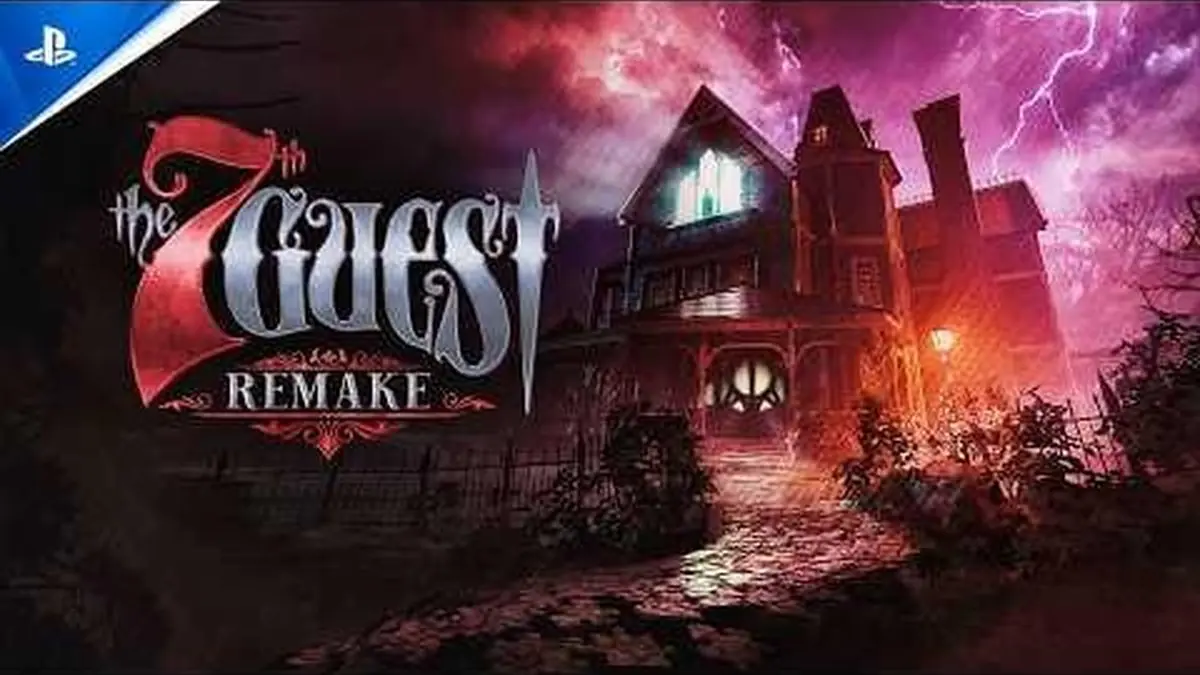
Henry Stauf’s mansion is opening its doors once again. The 7th Guest Remake arrives on PlayStation 5 this June 4, bringing one of gaming’s most atmospheric horror puzzlers back from the dead. For a generation raised on jump scares and gore, this remake offers something different – the slow burn of psychological dread that made the original a cult classic.
“The 7th Guest Remake – Release Date Trailer | PS5 Games” – u/ControlCAD on r/PS5
The mansion itself has always been the real star of The 7th Guest. Every creaking floorboard tells a story. Every portrait watches you with hollow eyes. Henry Stauf built this place as a trap for souls, and decades later, it still feels alive with malevolent intent.
What makes this remake special isn’t just the updated graphics. It’s how the developers are treating Stauf’s world as a living, breathing character. The puzzles aren’t just brain teasers anymore. They’re extensions of the mansion’s twisted personality.
The cross-purchase deal with PlayStation VR2 shows Sony understands what makes this game tick. In VR, you’re not just playing The 7th Guest – you’re trapped inside it. The walls close in. The shadows move when you’re not looking. Then you can switch to the PS5 version for a more traditional experience without paying twice.
This isn’t your typical horror remake. Most modern horror games rely on monsters jumping out of dark corners. The 7th Guest builds tension through atmosphere and story. You piece together Stauf’s dark past through environmental storytelling. The real horror comes from understanding what happened in these rooms.
The original game launched in 1993 when CD-ROM technology was revolutionary. Full-motion video sequences seemed like magic. Now we’re getting that same sense of technological wonder, but with modern PlayStation hardware bringing Stauf’s mansion to life in ways the original developers could only dream about.
Classic horror adventures have been making a quiet comeback. Games like Resident Evil remakes proved there’s hunger for well-crafted scares. But The 7th Guest operates in a different space entirely. It’s less about survival and more about solving the mystery of your own presence in this cursed place.
The puzzle design philosophy here matters for the story. Each riddle Stauf presents isn’t random. They reflect his twisted mind and the dark bargains he made. Solving them means thinking like him. The remake promises to maintain this narrative coherence while making the puzzles more intuitive for modern players.
Stauf himself remains one of gaming’s most compelling villains. He’s not a monster you fight. He’s a presence you feel in every room. His influence seeps through the mansion’s architecture. The remake has a chance to explore his character in ways the original’s technical limitations prevented.
The timing feels right for The 7th Guest’s return. Horror gaming has evolved beyond cheap thrills. Players want stories that stick with them. They want atmosphere that builds slowly. They want to feel like they’re uncovering genuine mysteries rather than just following scripted scares.
For PlayStation VR2 owners, this represents something rare – a horror experience designed from the ground up for virtual reality, then adapted for traditional play rather than the other way around. That development approach should ensure both versions feel purposeful rather than compromised.
The mansion’s secrets have waited over three decades to be properly retold. Modern hardware can finally capture the gothic atmosphere the original aimed for. Ray tracing will make those candlelit corridors flicker with authentic shadows. Spatial audio will make every footstep echo with proper menace.
June 4 can’t come soon enough for fans who’ve been waiting to return to Stauf’s domain. This remake promises to honor the original’s legacy while introducing a new generation to one of horror gaming’s most unique experiences. Sometimes the best way to move forward is to revisit the stories that shaped us.
The 7th Guest Remake might just prove that in an industry obsessed with the next big thing, sometimes the most powerful stories are the ones we’ve been telling all along.