The Steam Deck costs around $400-650 USD direct from Valve. In New Zealand, that same handheld will run you up to $2000 NZD through importers. That’s nearly triple the base price for hardware that ships officially to Australia next door.
This pricing gap highlights one of the most frustrating aspects of gaming hardware launches. Regional availability policies that seem arbitrary on paper hit wallets hard in practice.
The Import Tax Reality
Valve’s decision to ship Steam Decks to Australia but skip New Zealand creates a perfect storm for price gouging. Third-party importers know they have a captive market. New Zealand gamers who want Valve’s handheld have exactly zero official alternatives.
The math is brutal. A 64GB Steam Deck starts at $399 USD from Valve. That converts to roughly $675 NZD at current exchange rates. Add shipping and you’re looking at maybe $750 NZD for official pricing. Instead, Kiwi gamers pay $1500-2000 NZD through importers.
That’s not just markup. That’s highway robbery with a Steam logo.
Community Frustration Grows
The regional shipping gap isn’t going unnoticed. Steam users are questioning why Valve draws these geographic lines.
“Why does Valve not ship their hardware to NZ?” – u/Expensive-Actuator82 on r/Steam
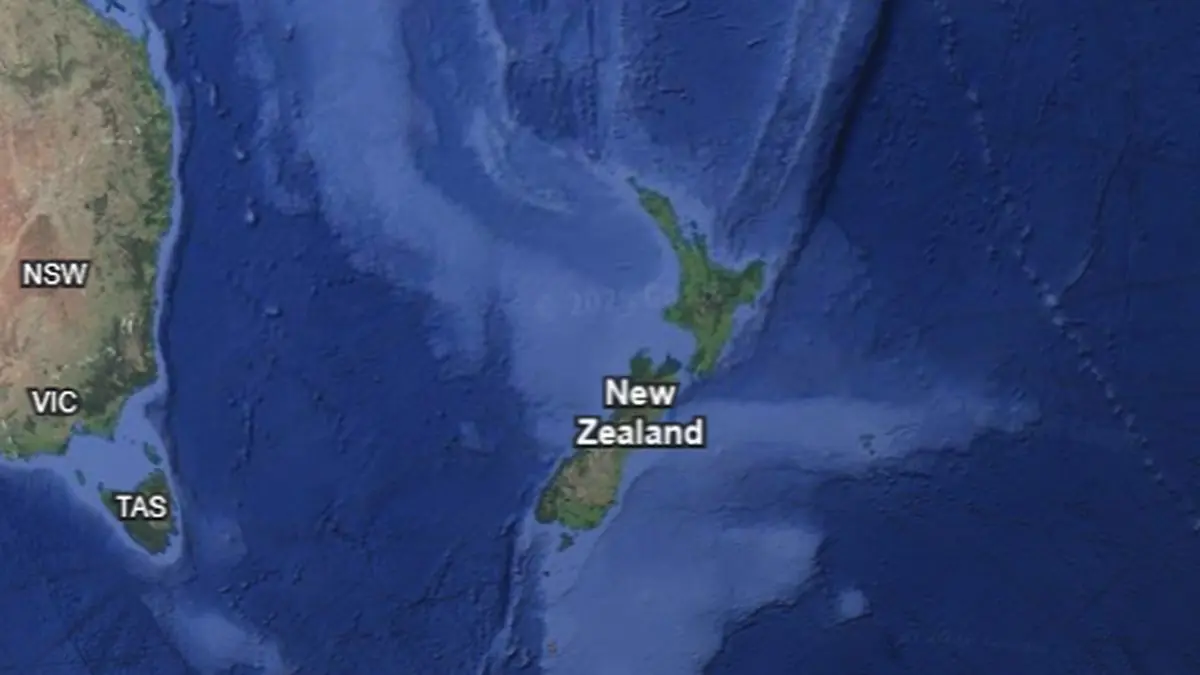
It’s a fair question. New Zealand sits roughly 1200 miles from Australia. That’s closer than Los Angeles to Denver. If Valve can handle Australian logistics and regulations, New Zealand shouldn’t be a massive leap.
The frustration runs deeper than just Steam Deck availability. This pattern repeats across gaming hardware launches. Graphics cards, VR headsets, gaming laptops – premium hardware often hits New Zealand months late with inflated pricing.
The Bigger Picture
Valve’s regional shipping decisions likely come down to market size and regulatory complexity. New Zealand’s 5 million population pales next to Australia’s 26 million. From a business perspective, the math might not justify separate distribution infrastructure.
But that cold calculation ignores the brand loyalty implications. Gamers who get burned by import pricing remember. They also talk. Word spreads fast in gaming communities about which companies treat smaller markets fairly.
The Steam Deck represents Valve’s biggest hardware push since the Steam Controller. Early adoption matters for building ecosystem momentum. Pricing out entire countries through import markups doesn’t build that momentum.
Regional availability gaps also create weird market distortions. Some New Zealand gamers are buying Steam Decks during trips to Australia. Others use forwarding services that add complexity and cost. A few even road-trip across the Tasman Sea specifically for hardware purchases.
These workarounds work for dedicated enthusiasts. They don’t work for mainstream adoption.
Steam Machine Implications
Valve’s upcoming Steam Machine faces the same regional availability questions. Early leaks suggest more powerful hardware at higher price points. If New Zealand gets the same import treatment, those markups could push prices into truly absurd territory.
A $800 Steam Machine could easily hit $2500 NZD through importers. At that point, you’re approaching high-end gaming laptop territory with none of the portability benefits.
The timing matters too. Microsoft and Sony both ship consoles to New Zealand on day one. Nintendo does the same. Valve’s hardware distribution looks increasingly outdated by comparison.
What’s Next
Valve hasn’t announced plans to expand Steam Deck shipping to New Zealand. The company rarely discusses regional availability decisions publicly. That leaves Kiwi gamers in limbo.
The import market will likely persist until Valve changes course. Third-party sellers have proven there’s demand at inflated prices. That removes some pressure for official distribution.
But the Steam ecosystem works best when hardware is widely accessible. Every Steam Deck in the wild potentially drives game sales and ecosystem growth. Artificially limiting that reach through shipping restrictions seems counterproductive.
New Zealand gamers deserve better than $2000 import pricing for $400 hardware. The question is whether Valve will recognize that gap and fix it.