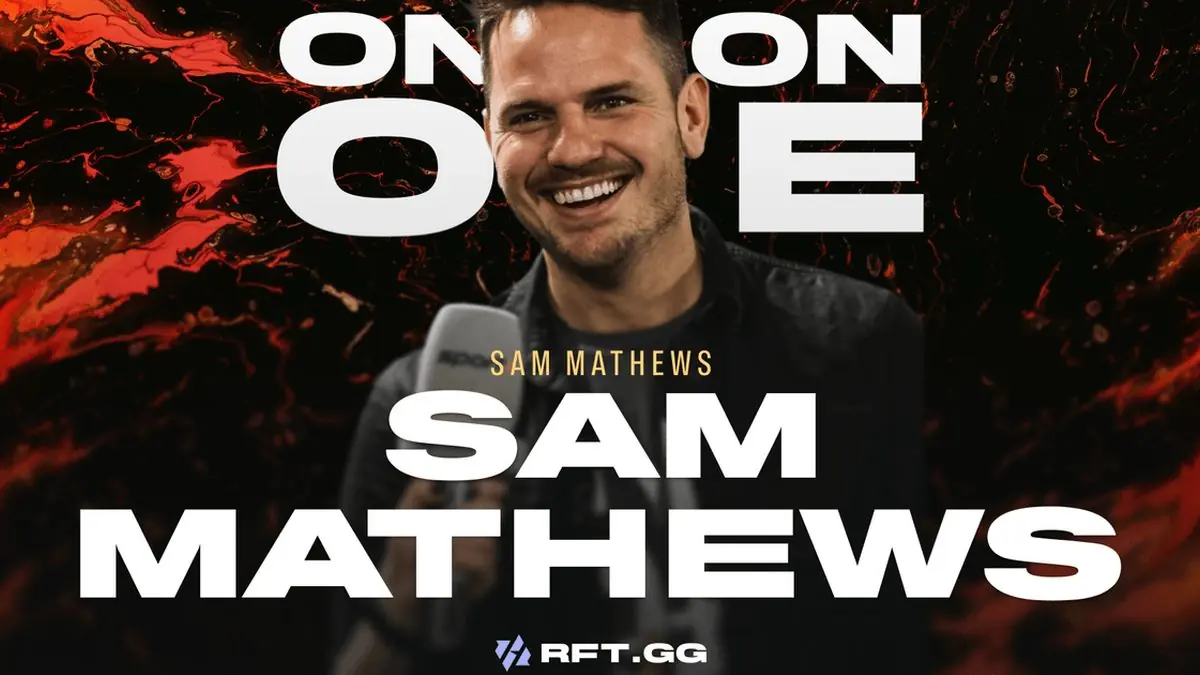
Fnatic just dropped some serious truth bombs about their League of Legends strategy. CEO Sam Mathews sat down for a brutally honest interview that’s got the community talking.
The biggest revelation? Those massive signings we all watched – especially the Perkz era – didn’t actually make financial sense for the org. Mathews straight up admitted that spending millions on superstar players wasn’t sustainable. That’s a tough pill to swallow when you’re watching your favorite team struggle.
“We’re Not Going to Leave League Because We Have a Bad Year” | Fnatic CEO Sam Mathews on the Rebuild – u/ThonPharges on r/leagueoflegends
The interview has sparked mixed reactions across the League community. Some fans appreciate the transparency about Fnatic’s financial reality. Others are questioning whether the org should have known better before making those big-money moves.
What’s really interesting is how Mathews framed the rebuild. This isn’t just about cutting costs – it’s about completely changing their approach. Instead of chasing established stars, they’re going all-in on developing younger talent over the next five years.
That’s where things get exciting for us as fans. Fnatic is actively considering launching an academy team next year. This could be huge for the European scene. We’ve seen how powerful academy systems can be in regions like North America and Korea.
The timing makes sense too. The LEC has been struggling to develop homegrown talent compared to other major regions. If Fnatic can crack the code on nurturing young players, they might find themselves ahead of the curve when those talents hit their peak.
But here’s what really matters for long-term Fnatic fans – Mathews made it crystal clear that they’re not going anywhere. Despite this being one of their worst competitive years in League history, he called the game “part of their DNA.” That’s the kind of commitment we want to hear from orgs in this space.
Let’s be real though – this rebuild is going to take patience from all of us. Young talent development isn’t a quick fix. We’re probably looking at a few more rough seasons before this strategy pays off. The question is whether Fnatic fans will stick around for that journey.
The broader implications for the LEC are fascinating. If Fnatic succeeds with this model, other teams might follow suit. We could see a shift away from the import-heavy strategies that have dominated recent years. That would be huge for European League of Legends identity.
There’s also this mysterious community project Mathews mentioned that’s been in development for about a year. He didn’t give details, but anything that brings fans closer to the team could be a game-changer during this rebuild phase.
The financial reality check is probably overdue for the entire esports industry. We’ve seen so many orgs struggle with unsustainable spending. Fnatic’s willingness to admit their mistakes and pivot could be a model for other teams facing similar challenges.
What’s encouraging is that this doesn’t feel like a panic move. The five-year timeline shows they’re thinking long-term. The academy team consideration shows they’re serious about infrastructure. The community project hints at fan engagement beyond just match results.
For us watching from the outside, this could actually make Fnatic more interesting to follow. There’s something compelling about watching young players grow into stars. Those breakthrough moments hit different when you’ve been following someone’s journey from the start.
The next few months will be crucial for seeing how this strategy unfolds. Will they actually commit to the academy team? What does the roster look like for next year? And what exactly is this secret community project?
One thing’s for sure – Fnatic’s transparency about their struggles and strategy gives us hope that they’re serious about getting back to the top. Sometimes the best rebuilds start with admitting what went wrong. Now we get to see if they can execute the fix.