Some news hits different when it involves studios that created games close to our hearts. Spiders, the French developer behind the enchanting RPG Greedfall, is being liquidated by publisher Nacon. This isn’t just another corporate restructuring. It’s the end of a team that poured their souls into crafting memorable adventures.
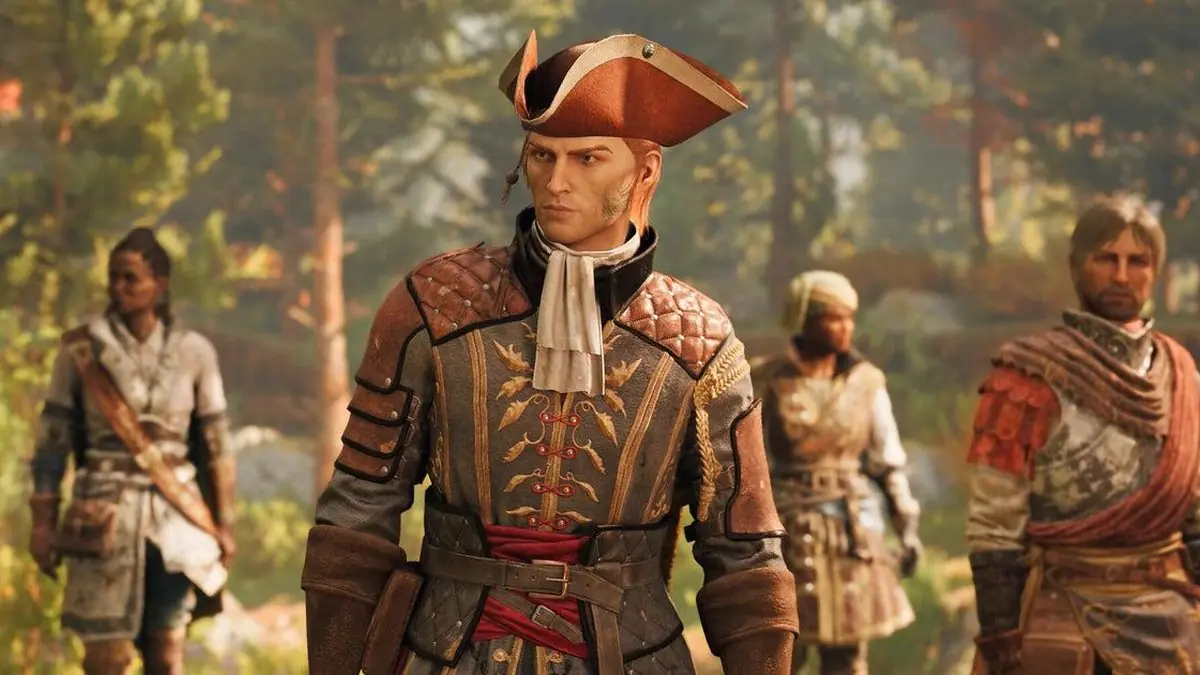
The closure feels especially painful because Greedfall wasn’t just another game. It was that rare RPG that reminded us why we fell in love with fantasy adventures in the first place. The colonial-era setting mixed with magic and political intrigue. The way it let you shape your character’s story through meaningful choices. Those late nights exploring every corner of its world.
Union leaders aren’t staying quiet about this decision. They’re calling the liquidation deliberate and premeditated by Nacon’s management. That’s corporate speak for “they planned this closure all along.” The union response has been swift and direct – they want gamers to boycott Nacon entirely.
“Greedfall studio Spiders’ liquidation is a ‘premeditated and deliberate choice by Nacon’s management'” – u/Laughing__Man_ on r/PS5
The frustration in the gaming community is real and growing. People are tired of seeing talented developers get tossed aside after creating successful games. Spiders wasn’t some struggling indie team. They made games that found audiences and earned critical praise. Yet here we are watching another studio disappear.
Social media responses have been predictably angry. Gamers are sharing memories of their favorite Spiders moments. Screenshots from Greedfall playthroughs. Stories about how the studio’s games helped them through tough times. The human connection between players and developers has never felt more obvious.
This closure represents something bigger than just one studio going away. We’re witnessing a pattern that’s become too common in modern gaming. Publishers acquire studios for their talent and IP. They extract what they need. Then they shut things down when profit margins don’t meet expectations.
Spiders had been around since 2008. They created multiple games over nearly two decades. Their catalog included Bound by Flame and The Technomancer before Greedfall became their breakout success. Each game showed growth and ambition from a team that clearly cared about their craft.
Greedfall itself was special in ways that big-budget RPGs often miss. It felt handcrafted rather than focus-grouped. The dialogue had personality. The world felt lived-in despite technical limitations. Players connected with characters like Kurt and Vasco because the writing team understood what makes fantasy companions memorable.
The game tackled themes of colonization and cultural conflict with more nuance than most AAA productions attempt. It wasn’t perfect. But it was genuine. That authenticity came from developers who believed in their vision and fought to bring it to life within budget constraints.
Now those same developers are looking for new jobs. The institutional knowledge built up over years of working together gets scattered. The specific creative chemistry that made Greedfall possible disappears forever. This is what we lose when publishers treat studios like disposable assets.
The boycott calls make sense from an emotional standpoint. People want to hit Nacon where it hurts – their wallet. Whether organized boycotts actually impact publisher behavior remains questionable. The gaming market is so massive that dedicated fans represent a small fraction of total sales.
Still, the response sends a message about community values. Gamers care about the people behind their favorite experiences. They want publishers to treat developers with respect rather than as expendable resources. The anger isn’t just about one studio closure. It’s about an industry pattern that prioritizes short-term profits over long-term creative sustainability.
Looking ahead, the immediate concern is what happens to Spiders’ staff. Game development is a specialized field. Finding new positions takes time, especially when multiple studios are simultaneously laying people off. The human cost of these closures extends far beyond cancelled projects.
The Greedfall IP now belongs entirely to Nacon. They could license it to another developer or attempt a sequel with different talent. But lightning rarely strikes twice when you replace the creative team that made something special. Fans hoping for Greedfall 2 might get their wish. Just don’t expect it to capture the same magic.
For players who loved what Spiders created, the best way to honor their legacy is remembering what made their games special. That human touch in storytelling. The willingness to take creative risks. The proof that you don’t need massive budgets to create memorable experiences.
Those values survive even when studios don’t. Somewhere out there, former Spiders developers will land at new companies or start their own projects. Maybe they’ll recreate that creative spark under different circumstances. Maybe we’ll get another Greedfall-style surprise from unexpected places.
Until then, we’re left processing another loss in an industry that seems determined to eat its own talent.