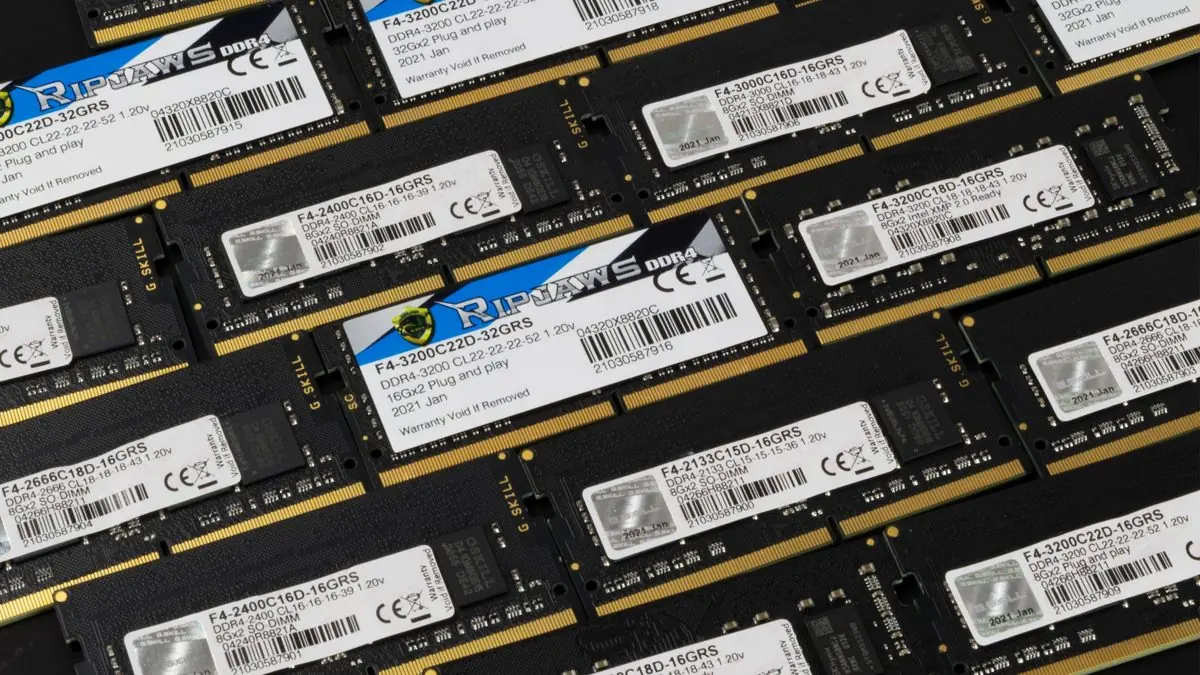
A new type of DDR5 memory has hit the market, and it’s got a massive catch that every PC gamer needs to know about. HUDIMMs promise budget-friendly DDR5 performance, but they come with a brutal 50% performance penalty that could tank your gaming rig’s potential.
If you’re building on a tight budget and thinking about grabbing some of these new sticks, you need to understand exactly what you’re getting into. The performance hit is real, and it’s significant.
What Are HUDIMMs?
The news broke on Reddit when a user spotted some concerning benchmark data:
“New cost-effective DDR5 memory ‘HUDIMMs’ show around 50% reduction in throughput with single subchannel – Two HUDIMMs are as fast as a single stick of regular DDR5 RAM” – u/chusskaptaan on r/pcgaming
HUDIMMs (Hybrid Unbuffered DIMMs) are essentially DDR5 memory modules that use a different internal architecture to cut costs. Think of them as the budget option in the DDR5 family. They look like regular memory sticks, fit in the same slots, and run at DDR5 speeds, but they’ve made some engineering compromises to hit lower price points.
The key difference is in how they handle data channels. Regular DDR5 uses dual subchannels for maximum throughput, while HUDIMMs apparently sacrifice one of those channels to reduce manufacturing costs.
The Performance Reality Check
That 50% reduction isn’t a typo or measurement error. When you install a single HUDIMM stick, you’re literally getting half the memory bandwidth of a standard DDR5 module. For gaming, memory bandwidth directly impacts frame rates, especially at higher resolutions and with more demanding titles.
Here’s where it gets interesting though: install two HUDIMMs and the performance gap disappears. Two HUDIMM sticks running together deliver the same throughput as one regular DDR5 stick. It’s a weird quirk of the architecture, but it means there’s a path to full performance if you’re willing to buy a pair.
The math is straightforward. One regular DDR5 stick gives you 100% performance. One HUDIMM gives you 50%. Two HUDIMMs give you back that 100%. It’s almost like the memory controller needs that second stick to unlock the full potential.
Budget Builder’s Dilemma
This creates a tricky value proposition for budget builders. If HUDIMMs cost 30% less than regular DDR5 (and that’s a big if), you’d need to buy two sticks to match one regular stick’s performance. That could actually cost more than just buying proper DDR5 in the first place.
The only scenario where HUDIMMs make sense is if you’re planning a dual-channel setup anyway and the price savings are substantial enough to justify the complexity. Most budget builds these days start with 16GB (2x8GB) configurations, so you’d be looking at two HUDIMM sticks from day one.
But here’s the catch: if you ever want to upgrade to 32GB later, you’d need four HUDIMM slots filled versus just two regular DDR5 sticks. That’s more memory slots occupied and potentially more compatibility headaches down the road.
Market Impact and Timing
The timing of HUDIMM’s arrival is interesting. DDR5 prices have been dropping steadily throughout 2026, making the performance trade-off less attractive than it might have been a year ago. When regular DDR5 was expensive, a 50% performance hit might have been worth significant cost savings. Now? The math is tougher.
This feels like a solution looking for a problem that’s already been solved by market forces. DDR5 pricing has normalized enough that the budget segment doesn’t desperately need a performance-compromised alternative.
The real question is whether motherboard manufacturers and system integrators will push HUDIMMs in pre-built systems. If you see “DDR5 memory” in a budget gaming PC spec sheet without specific mention of the module type, you might want to ask some pointed questions.
What This Means for Your Next Build
For most gamers, HUDIMMs represent a step backward in simplicity and performance per dollar. The whole point of DDR5 was to deliver more bandwidth and better performance. Trading that away for modest cost savings doesn’t align with what most people want from their gaming rigs.
If you’re shopping for memory in 2026, stick with regular DDR5 unless the HUDIMM pricing is dramatically better and you’re committed to a dual-channel setup from day one. The performance penalty isn’t worth small savings, and the upgrade path limitations could bite you later.
The memory market has enough complexity without adding performance-compromised variants into the mix. Sometimes the budget option costs more in the long run.