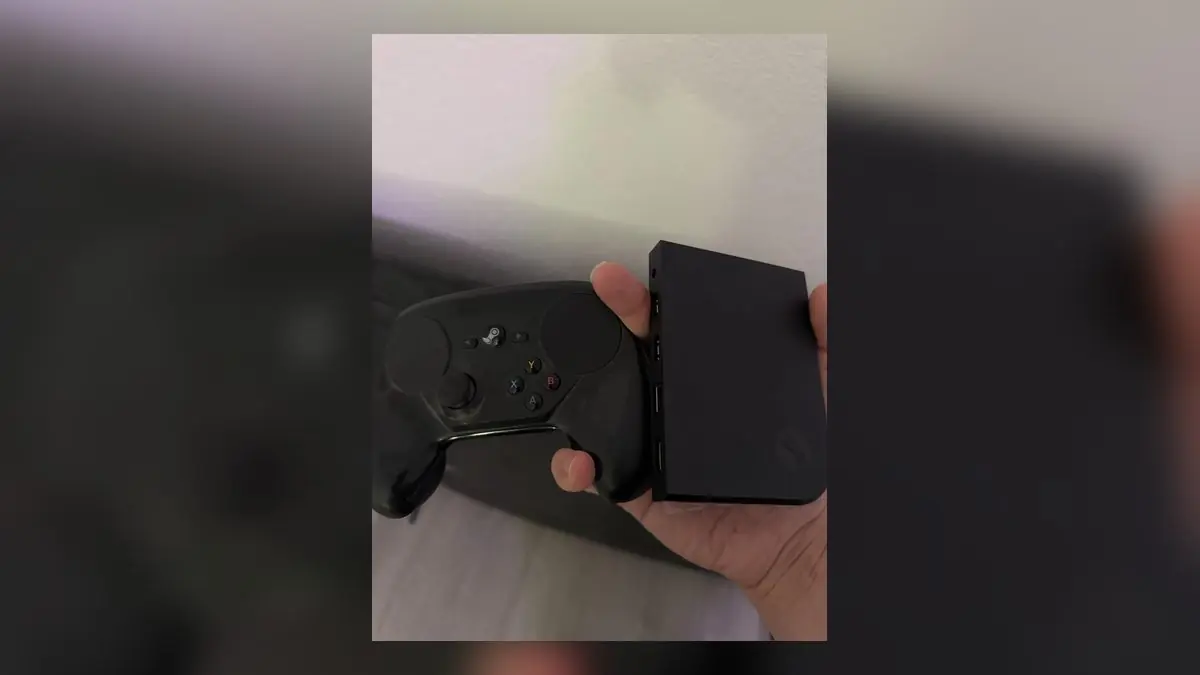
Sometimes the best gaming discoveries happen when you’re not even looking for them. A Reddit user’s garage cleanup turned into a trip down memory lane this week when they stumbled across some “old friends” – including a Steam Link that’s got the gaming community feeling nostalgic.
The find has sparked conversations about Valve’s ambitious but short-lived streaming box and what it meant for the future of gaming.
“Relics of the past. Cleaning out the garage and found some old friends. Does the steam link still work?” — u/Mewoski on r/Steam
For those who missed it, the Steam Link was Valve’s 2015 attempt to crack the living room gaming market. This little black box let you stream games from your gaming PC to any TV in the house over your home network. At $50, it was positioned as an affordable way to bring PC gaming to the couch without building a whole secondary rig.
The tech was actually pretty solid for its time. The Steam Link used hardware-accelerated H.264 encoding and could push 1080p60 with decent compression. Latency was the real test – anything under 10ms on a wired gigabit connection was totally playable for most games. Fighting games and competitive shooters? That was pushing it. But for RPGs, strategy games, and co-op sessions? This thing absolutely ripped.
What made the Steam Link special wasn’t just the specs – it was the timing. This was 2015, before game streaming was mainstream. Microsoft‘s Xbox streaming was still in preview. PlayStation Now was clunky and expensive. Nvidia‘s GameStream needed specific GPU hardware. Valve basically said “here’s game streaming for everyone” and priced it to move.
The reality check came from network limitations and the simple fact that most people’s home setups weren’t ready. WiFi streaming was hit-or-miss depending on your router. Ethernet was king, but that meant running cables or dealing with powerline adapters. Plus, the Steam Controller that shipped alongside it was… divisive, to put it nicely.
By 2018, Valve quietly discontinued the hardware and pivoted to software-only solutions. The Steam Link app now runs on everything from Samsung smart TVs to smartphones. It’s the same streaming tech, just without the dedicated box.
But here’s where it gets interesting from a hardware perspective. Those original Steam Links are still perfectly functional today. The last firmware update was in 2019, but the core streaming capabilities work just fine. In fact, some enthusiasts prefer the dedicated hardware for its consistent performance over running the app on underpowered smart TV processors.
The Steam Link also represents something bigger – Valve’s long-term vision for gaming flexibility. Fast forward to 2022 and you’ve got the Steam Deck, which flips the concept entirely. Instead of streaming your PC games to a box, you’ve got a handheld PC that can play them natively or stream when needed. The DNA is absolutely there.
Modern game streaming has evolved way beyond what the Steam Link offered. Xbox Cloud Gaming, GeForce Now, and even Steam’s own Remote Play have higher quality encoding, better latency compensation, and work across more devices. But that little black box was genuinely ahead of its time in making PC game streaming accessible.
Retro hardware finds like this one are becoming a whole thing in gaming communities. There’s something satisfying about rediscovering tech that was ambitious for its era, even if it didn’t quite hit mainstream success. The Steam Link joins ranks with other “what if” gaming hardware like the Vita, Dreamcast, or Nintendo Virtual Boy – products that had great ideas but landed at the wrong time or with the wrong execution.
From a collector’s standpoint, working Steam Links are actually holding their value pretty well. You can find them on eBay for around their original retail price, sometimes more for sealed units. Not exactly investment-grade returns, but decent for 7-year-old streaming hardware.
The bigger picture here is how much game streaming has matured since 2015. What required dedicated hardware and careful network setup then now works reasonably well over cellular connections. The Steam Link was basically beta testing for the streaming-first future we’re living in now.
Whether that old Steam Link still works or not, it’s a solid reminder of how quickly gaming tech evolves. Valve took some big swings in the 2010s – Steam Machines, Steam Controller, Steam Link – and while none became mainstream hits, they all contributed to where we are today. The Steam Deck wouldn’t exist without lessons learned from the Steam Link era.
Now the real question is whether Valve’s got any other surprise hardware tucked away in their labs. Given their track record of bold experiments, probably.