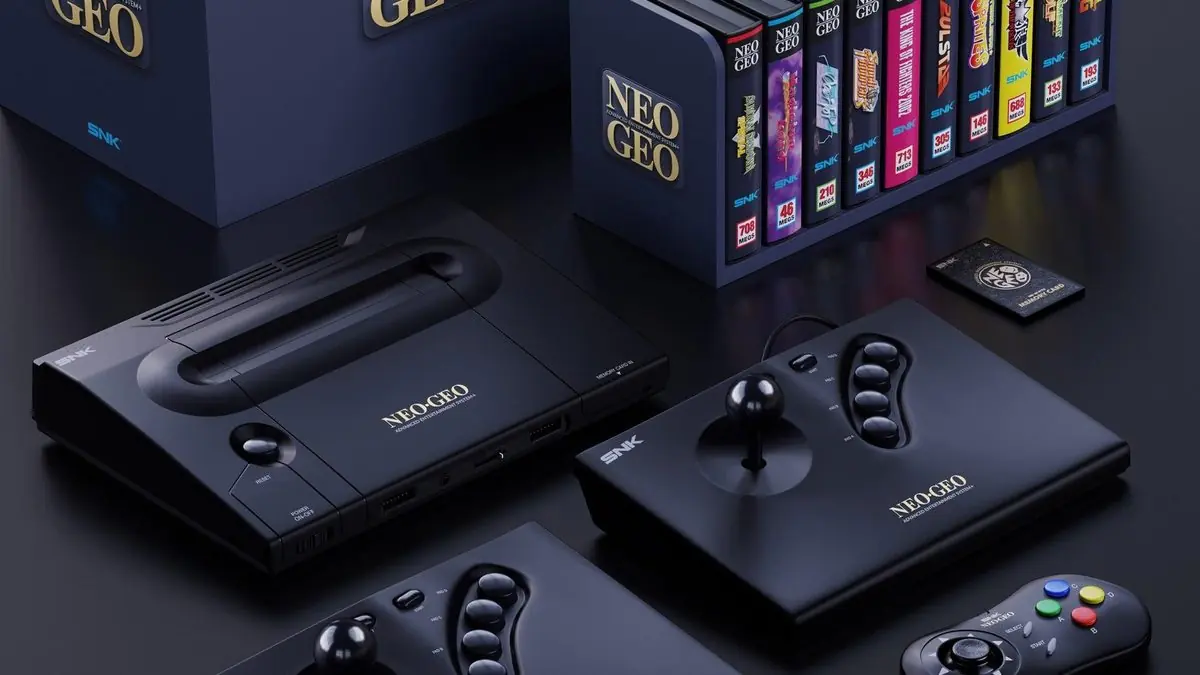
The retro gaming scene just got interesting. A new console called the Neo Geo+ AES is making some bold claims about delivering authentic 1990s arcade gaming without any of the usual compromises. At $250, it’s positioning itself as a hardware purist’s dream machine.
Advertisement“No Emulation, No Compromise, No Comparison” – The $250 Neo Geo+ AES Aims To Be A 1:1 Replica Of SNK’s Classic Console — u/Imminent_Extinction on r/gaming
That tagline isn’t just marketing speak. If the Neo Geo+ delivers on its hardware replica promise, we’re looking at something that could actually matter to serious collectors and arcade enthusiasts. The original Neo Geo AES was SNK’s home version of their legendary arcade system, and finding working units today means dropping serious cash — often $500+ for a decent console alone.
The hardware-first approach is what makes this interesting from a technical standpoint. Most retro consoles today use software emulation, which works fine for casual gaming but introduces input lag and occasional compatibility hiccups. Emulation also struggles with the Neo Geo’s unique architecture. The system used massive cartridges with their own processing power, making accurate emulation surprisingly tricky.
A true 1:1 hardware replica means the Neo Geo+ should handle every timing quirk and edge case exactly like the original. No input lag. No audio glitches. No “close enough” approximations. For fighting game enthusiasts who grew up on Fatal Fury and The King of Fighters, frame-perfect timing isn’t negotiable.
But here’s where things get complicated. Building actual hardware replicas is expensive and technically challenging. The $250 price point raises questions about what corners might get cut. Are we talking about genuine replica chips or modern equivalents? How close is “1:1” really? The Neo Geo’s custom PPU and sound chips aren’t exactly easy to recreate authentically.
There’s also the cartridge situation to consider. Original Neo Geo games are collector’s items now, with popular titles running $100-300+ each. A hardware replica is only as good as the games you can play on it, and the Neo Geo library isn’t cheap to build. The console might be $250, but getting a decent game collection together will cost significantly more.
Quality control is another concern with these smaller hardware projects. We’ve seen promising retro consoles launch with manufacturing defects or compatibility issues that take months to resolve. When you’re targeting hardware purists, there’s zero tolerance for “mostly works” solutions.
The bigger picture here is fascinating though. The retro gaming market has been moving toward higher-end, more authentic solutions. Analogue’s premium console line proved there’s demand for FPGA-based hardware that prioritizes accuracy over convenience. The MiSTer project showed enthusiasts will pay for genuine hardware recreation.
The Neo Geo+ sits in an interesting middle ground. It’s more expensive than typical emulation boxes but cheaper than premium FPGA solutions or original hardware. If the quality holds up, it could hit a sweet spot for enthusiasts who want authenticity without breaking the bank.
This also reflects a broader shift in retro gaming culture. The community is getting more sophisticated about understanding the differences between emulation and hardware. Frame rates, input lag, and audio accuracy matter more now than they did five years ago. Streamers and competitive players have raised awareness about why these technical details actually impact gameplay.
The timing makes sense too. A lot of gamers who grew up with the Neo Geo in the ’90s now have disposable income and space for dedicated gaming setups. They remember how those games were supposed to feel and they’re willing to pay for authentic experiences.
For the hardware itself to succeed, the Neo Geo+ needs to nail the fundamentals. Solid build quality, perfect compatibility with original cartridges, and genuine hardware-level accuracy. The $250 price suggests some cost optimization, but it can’t come at the expense of the core promise.
The real test will be how it performs with demanding games. Fatal Fury Special, Metal Slug, and The King of Fighters are legendary for their smooth animation and precise controls. Any lag or timing issues will be immediately obvious to anyone who knows these games well.
We’re still waiting on detailed specs, availability dates, and most importantly, hands-on testing. The concept sounds promising, but retro gaming history is littered with hardware projects that looked great on paper but stumbled in execution.
If the Neo Geo+ delivers on its promises, it could be exactly what the retro gaming scene needs — authentic hardware recreation at a reasonable price point. That’s a big if, but the potential is definitely there.