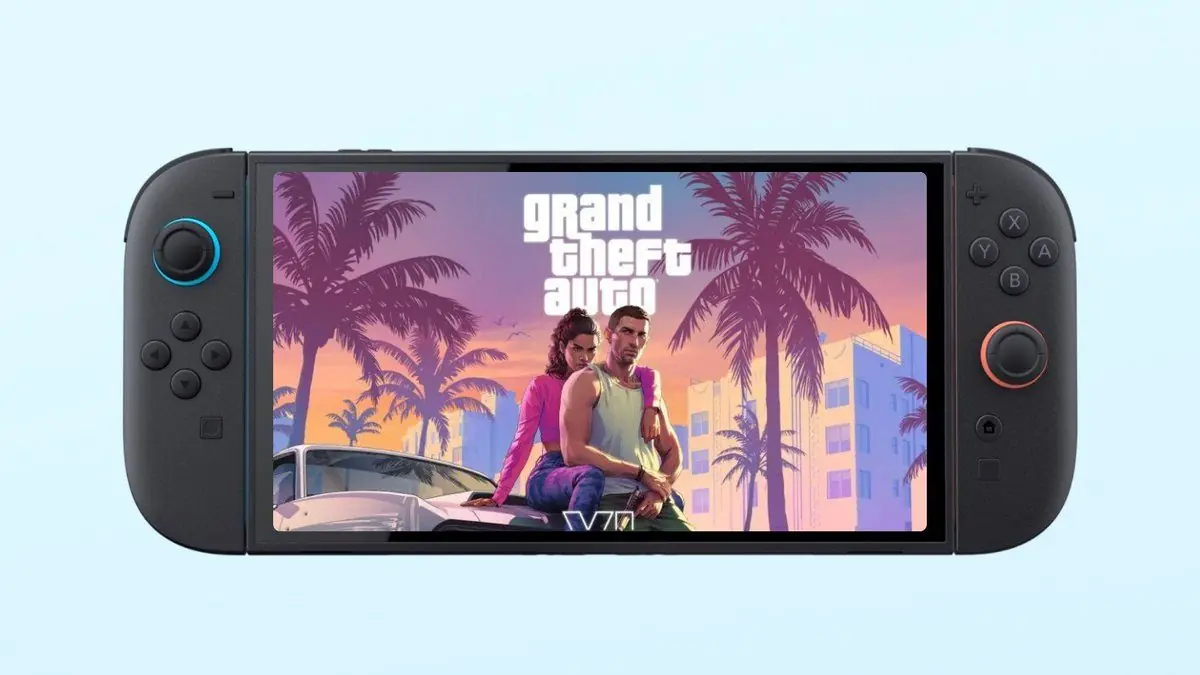
Nintendo‘s secrecy just took a major hit. A comprehensive leak compilation has surfaced, revealing every rumored game coming to the Nintendo Switch 2. No corporate spin. No careful PR language. Just raw intel from the trenches.
Advertisement“Every leaked game coming to Nintendo Switch 2 Massive compilation of all rumored titles — from insiders, ratings, and storefront leaks.👀” — @Gaming_bo3gg
The leak sources paint a clear picture. Ratings boards accidentally listing titles. Storefronts jumping the gun on placeholder pages. Industry insiders dropping intel like breadcrumbs. When multiple leak vectors align, you pay attention.
This isn’t random speculation. These are coordinated intelligence drops from people who know the system. Ratings boards don’t file paperwork for games that don’t exist. Storefronts don’t create SKUs for vapor. The pattern tells the story.
The technical implications hit different when you break down what’s actually leaking. First-party Nintendo franchises getting the next-gen treatment. Third-party studios prepping enhanced versions of current hits. Completely new IPs that haven’t seen daylight yet.
Nintendo’s hardware philosophy always shapes their software strategy. The Switch 2 architecture determines what these games can actually deliver. Better processing power means more complex physics systems. Enhanced graphics capabilities unlock visual fidelity that current Switch hardware can’t touch.
Consider the tactical advantages for developers. More RAM means larger game worlds without loading screens. Faster storage enables seamless asset streaming. Improved networking opens doors for better online multiplayer architecture. Every hardware upgrade cascades into gameplay possibilities.
The leak timeline reveals Nintendo’s preparation strategy. Games don’t appear on ratings boards overnight. The development pipeline stretches back years. What we’re seeing now represents titles that entered serious production phases when Switch 2 specs were finalized internally.
Smart studios hedge their bets. They develop for current Switch hardware while building scalable engines that leverage next-gen capabilities. When Nintendo gives the green light, they flip the switch on enhanced versions. Efficient. Practical. Profitable.
The competitive landscape shifts when hardware generations change. Sony and Microsoft watch Nintendo’s moves closely. Portable gaming remains Nintendo’s fortress, but that fortress needs fresh weapons to stay relevant. These leaked games represent Nintendo’s ammunition stockpile.
Third-party support tells the real story. Publishers don’t commit resources to platforms without confidence in the hardware. The breadth of leaked titles suggests Nintendo successfully courted major studios during the development process. That takes time. That takes relationships. That takes proven hardware specs.
Nintendo learned hard lessons from the Wii U launch. Software lineup determines hardware success more than innovative features. The original Switch succeeded because it launched with Breath of the Wild. Switch 2 needs its own system-seller from day one.
The leak compilation strategy serves multiple purposes. It builds hype among core Nintendo fans. It signals developer confidence to potential partners. It puts pressure on Nintendo to formalize their announcement timeline. Information warfare at its finest.
Security protocols exist for good reasons. Nintendo maintains strict NDAs and compartmentalized development processes specifically to prevent these situations. When leaks happen anyway, it usually means the information wants to be public. Market forces pushing against corporate secrecy.
The gaming community thrives on speculation and insider knowledge. Forums analyze every detail. YouTubers build content around rumor analysis. Social media amplifies every whisper. Nintendo can’t control this ecosystem, only react to it.
Industry insiders face calculated risks when they leak information. Too specific and they expose themselves. Too vague and nobody cares. The art lies in revealing enough to build credibility without triggering legal consequences. It’s a dangerous game.
What we’re seeing represents just the visible portion of Nintendo’s development iceberg. For every leaked title, multiple unannounced projects remain hidden. First-party studios work on secret franchises. External partners develop surprise collaborations. The full picture stays classified until Nintendo decides otherwise.
The Switch 2 announcement timeline becomes critical now. Nintendo typically announces hardware 6-12 months before launch. With leaks accelerating, they might move up their reveal schedule to control the narrative. Corporate communications versus organic information flow.
Expect Nintendo to respond with strategic silence or controlled reveals. They won’t acknowledge leaks directly, but they might accelerate official announcements to stay ahead of the rumor cycle. Smart companies adapt their communication strategies when information escapes containment.
The next few months determine how this plays out. More leaks seem inevitable as we approach the traditional holiday announcement window. Nintendo’s move. The gaming community watches and waits.