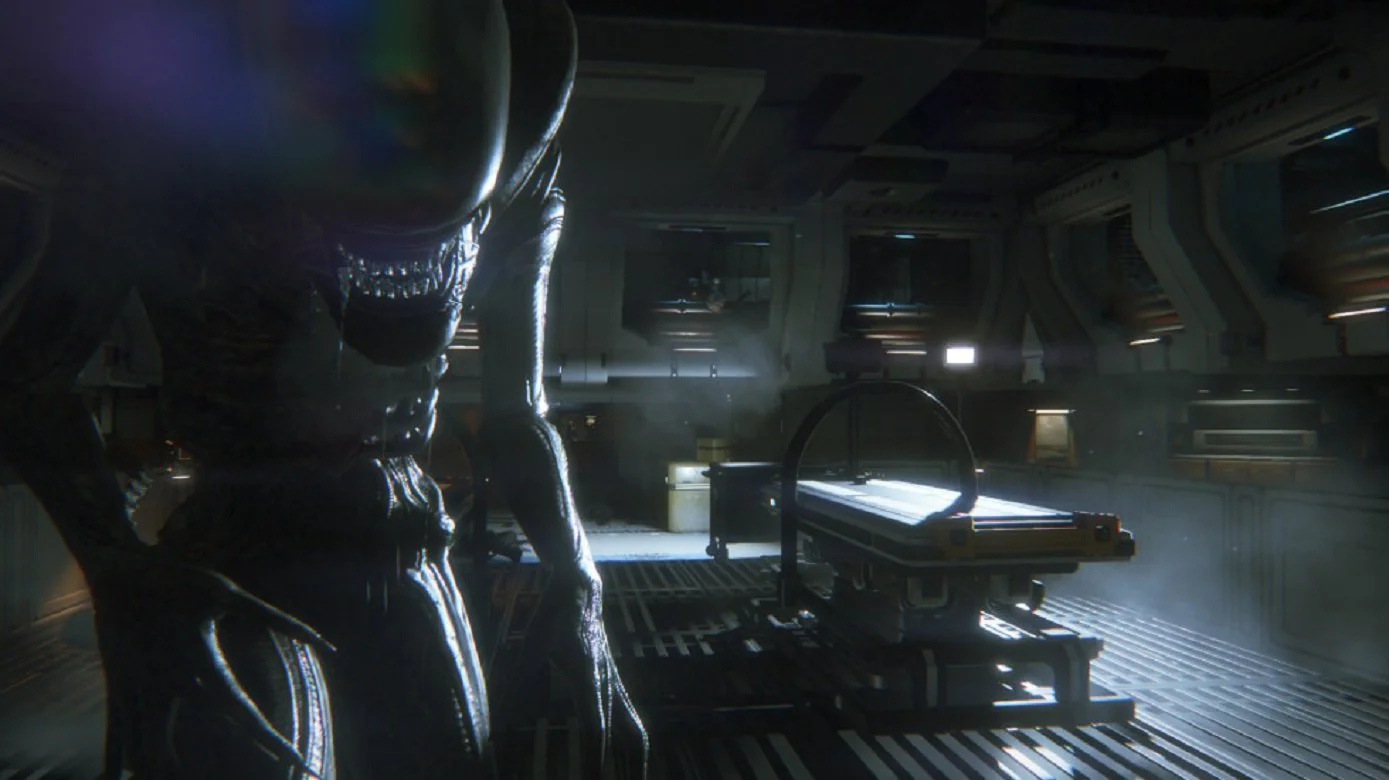
Nothing prepares you for Alien: Isolation’s mind games. The game doesn’t just scare you. It breaks your brain.
A recent Reddit post titled ‘False Sense Of Security’ proves this point perfectly. Years after release, players still can’t shake what Creative Assembly did to them. The post has gamers sharing war stories like combat veterans.
This isn’t your typical jump-scare garbage. Alien: Isolation weaponizes hope against you.
The game’s genius lies in its deception tactics. You’ll find a hiding spot that feels safe. The motion tracker shows clear. No alien signature for minutes. Your heart rate drops. You think you’re in the clear.
That’s when it gets you.
The Xenomorph’s AI doesn’t follow scripts. It learns your patterns. Hide in lockers too much? It starts checking them. Favor the vents? It camps there. The alien adapts like a real predator.
Technical details matter here. The AI operates on two layers. The director AI knows your exact position. But it doesn’t cheat directly. Instead, it guides the alien AI toward your general area. The alien still has to hunt you down using its own senses.
This creates authentic cat-and-mouse gameplay. You’re not fighting predetermined spawn points. You’re outsmarting an actual digital predator.
The sound design amplifies this psychological warfare. Every creak could be footsteps. Every vent rattle might signal death. The alien’s movements echo through the station’s hull. These aren’t random ambient sounds. They’re tactical intelligence.
Smart players learn to read these audio cues. Hearing heavy footsteps above means the alien is one level up. Vent sounds from your left require immediate repositioning. The game rewards situational awareness like a military sim.
But here’s the cruel twist. Just when you master the patterns, the game changes them. That safe room you’ve used five times? Suddenly compromised. The route that always worked? Now it’s a death trap.
False security becomes your biggest enemy.
Modern horror games don’t understand this concept. They rely on cheap thrills and scripted moments. Alien: Isolation built something different. It created genuine paranoia.
The game’s lasting impact shows in community discussions. Players still analyze the alien’s behavior patterns. They share survival tactics like actual combat strategies. Reddit threads dissect the AI’s decision-making process.
This level of engagement proves the game’s technical superiority. Horror fans don’t spend years analyzing jump-scares. They analyze systems that genuinely challenged them.
The station itself becomes a character. Sevastopol feels lived-in and industrial. Every corridor could hide death. Every room offers false sanctuary. The environment tells a story without exposition dumps.
Creative Assembly nailed the source material. This feels like Ridley Scott’s universe. Dark corridors. Industrial lighting. That constant hum of failing life support systems. The aesthetic isn’t just nostalgic window dressing. It’s functional terror.
Weapon scarcity forces tactical thinking. The flamethrower becomes precious ammunition. You count every burst. Wasting fuel means certain death later. Resource management adds strategic depth most horror games ignore.
The motion tracker deserves special recognition. It’s both lifeline and liability. Essential for navigation but useless when the alien learns your position. You’ll spend entire sessions staring at that green screen. Praying for clear signals.
False security manifests in every game system. Save stations feel safe until they’re not. The alien can appear anywhere. Medical bays become death traps. Even the game’s UI lies to you.
Compare this to today’s horror offerings. Most use horror as a marketing gimmick. They want viral streaming moments. Quick scares for social media clips.
Alien: Isolation aimed higher. It built sustained psychological pressure. The kind that follows you offline.
The game’s influence shows in newer horror titles. Developers study its AI implementation. They try replicating the dynamic threat system. Few succeed at this level.
That Reddit post about false security captures the game’s core achievement. Creative Assembly didn’t just make a horror game. They built a psychological weapon.
Years later, players still process the trauma. Still share survival stories. Still respect what the game accomplished.
The alien never truly leaves. It lives in your memory. Waiting in every dark corridor you encounter. In every game. In every movie. In every shadow.
That’s the mark of exceptional horror design. When the fear outlasts the experience itself.
Alien: Isolation understood something most developers miss. True horror isn’t about what jumps out at you. It’s about what might be waiting.
False security remains the perfect weapon.