
Steam‘s having one of those weeks where everything feels lowkey unhinged. While indie devs are celebrating wins, others are watching their launches crash and burn in real time.
The platform’s been a rollercoaster lately. One day you’re seeing fresh indies get their moment. The next day you’re watching a pottery brawler faceplant harder than a dropped vase.
But here’s where it gets interesting. Industry watchers are noticing some weird patterns in what games are suddenly getting attention.
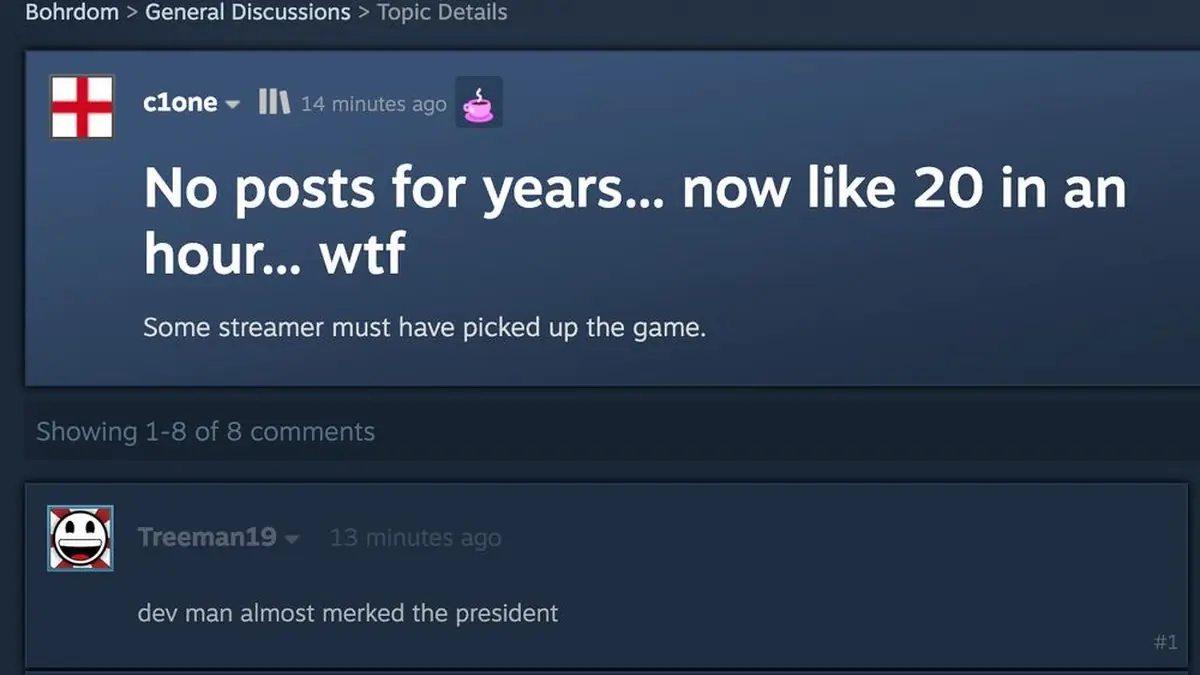
“Two theories regarding the sudden interest in an old game on Steam” – @stephentotilo.bsky.social
Stephen Totilo’s been tracking something fascinating. Old games are randomly surging back into relevance. Not because of sales or updates. Just pure organic discovery that doesn’t make sense.
Meanwhile, indie devs are still finding success stories. Take SHEROK’s Case ;Recollection dropping April 28th. It’s giving serious psychological thriller vibes.
“Working on a psychological mystery visual novel. Releasing April 28 on Steam. Your choices shape the truth. SHEROK’s Case ;Recollection” – @gamitiveofmiya
That’s the kind of passion project that actually lands. Clear vision. Strong concept. Smart marketing timing.
But then you have disasters like Kiln. This multiplayer pottery brawler sounded wild on paper. Competitive pottery? Sign me up. Reality hit different though.
“Multiplayer Pottery Brawler Kiln Is Off To A Rough Start On Steam” – u/akbarock on r/pcgaming
When your pottery game can’t even get the clay spinning right, you know there’s problems. Players were expecting satisfying crafting mechanics. Instead they got buggy multiplayer and confusing controls.
The launch issues weren’t just technical. The whole concept felt half-baked. Like someone pitched “Battle Royale but pottery” without thinking through what makes pottery fun.
Then there’s the really weird stuff happening. Steam users are discovering the platform has some kind of Bluesky presence?
“Steam has bluesky???” – u/crack_station on r/Steam
Nobody saw that coming. Steam’s been pretty quiet about social media expansion. Now suddenly they’re on alternative platforms? It’s giving secret beta vibes.
This all connects to bigger questions about Steam’s discovery algorithms. How are old games suddenly getting visibility? Why do some launches succeed while others bomb immediately?
The platform’s recommendation system has always been mysterious. But lately it feels more unpredictable than usual. Indie devs are struggling to understand what triggers the algorithm.
Some theories point to user behavior changes. Maybe people are digging deeper into Steam’s catalog. Or the algorithm is favoring different engagement patterns.
Other analysts think Steam’s testing new discovery mechanisms. Could be A/B testing visibility boosts for older titles. Could be preparing for algorithm changes.
The Bluesky connection adds another layer. Is Steam experimenting with cross-platform discovery? Are they pulling engagement data from other social networks?
For indie developers, this uncertainty is stressful. Success stories like SHEROK’s Case show it’s still possible to break through. But failures like Kiln prove that execution matters more than concept.
The pottery brawler market probably wasn’t oversaturated. But launching with major bugs? That’s instant death on Steam. User reviews pile up fast when core mechanics don’t work.
Meanwhile, visual novels continue finding their audience. The psychological mystery angle for SHEROK’s Case hits different. Choice-driven narratives always perform well when done right.
Steam’s weird week highlights how unpredictable game discovery has become. Platform algorithms change constantly. Social media presence matters more than ever. Even established patterns break down.
Developers need to adapt faster. Better beta testing. Stronger community building. Clear value propositions that survive algorithm changes.
The next few weeks will be telling. Will more old games get mysterious boosts? Will Steam’s Bluesky presence become official? Will pottery brawlers make a comeback?
One thing’s certain – Steam’s platform dynamics keep evolving. Developers who stay flexible and focused on quality will survive the chaos. Those who don’t will end up like broken pottery on the workshop floor.