An indie developer just hit the brakes on their upcoming game launch. The reason? Players weren’t happy with the price tag.
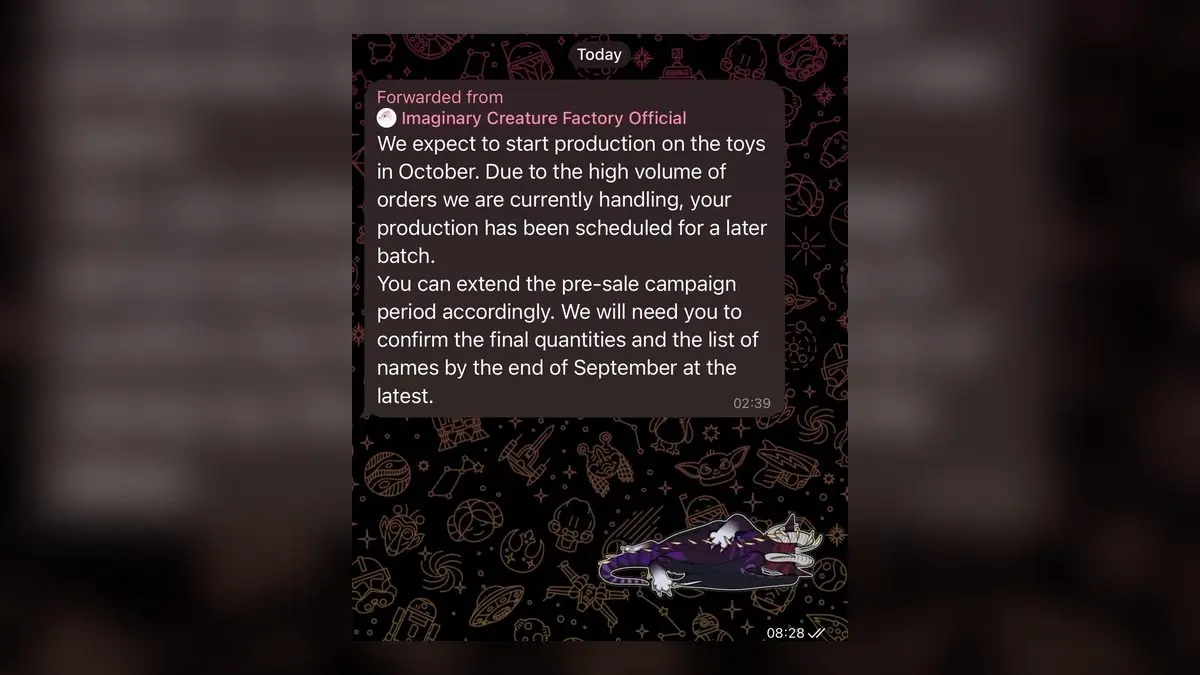
Developer @AstralDergin broke the news on social media this week. The announcement was brief but telling.
“Yeaaaaaaah……yeah. Extra delayed until further notice now. If there’s a silver lining to this, those that stated the price was too expensive, well, now you have ample time to save up.” – @AstralDergin
The tweet’s tone says it all. Those extended “yeah” sounds? That’s the sound of a developer who’s been wrestling with some tough feedback. It’s not easy when the community you’re building for tells you they can’t afford what you’re making.
We don’t know the exact price point that sparked the complaints. But pricing has become one of the biggest challenges facing indie developers right now. Players are more price-conscious than ever. With so many games competing for our attention and wallets, every dollar counts.
The developer’s response shows real awareness of their community’s financial reality. Instead of getting defensive about the criticism, they’re acknowledging it. That “silver lining” comment about having time to save up? It’s actually pretty thoughtful. They’re recognizing that their fans want the game but need more runway to afford it.
This situation reflects a broader tension in indie gaming. Developers need to make a living. Games cost money and time to create. But players – especially younger ones – often have limited gaming budgets. Finding that sweet spot between sustainable pricing and accessibility isn’t easy.
We’ve seen other indie developers struggle with this balance. Some launch with higher prices and discount later. Others start low and risk undervaluing their work. There’s no perfect playbook for getting it right.
The delay might actually benefit everyone involved. Players get more time to budget for the purchase. The developer gets space to reassess their pricing strategy. Maybe they’ll find ways to offer different pricing tiers or payment options.
It’s worth noting that pricing feedback often comes from a place of genuine interest. When players complain about cost, it usually means they want the game but feel priced out. That’s different from people who just aren’t interested at all.
This developer seems to understand that distinction. Their response suggests they value their community’s input. That’s the kind of developer-player relationship that builds long-term success in indie gaming.
The gaming landscape has changed a lot in recent years. Digital storefronts are flooded with options. Free-to-play games compete for the same screen time as premium titles. Players have gotten savvy about waiting for sales and bundles.
Indie developers have to navigate all of this while creating something unique and valuable. It’s a balancing act between artistic vision and commercial reality. Some nail it on the first try. Others need to adjust course based on community feedback.
What’s encouraging here is the transparent communication. Rather than going radio silent or getting defensive, this developer chose honesty. They admitted the delay and acknowledged the pricing concerns directly.
That kind of openness builds trust with players. We respect developers who listen to feedback and adapt accordingly. It shows they care more about making something people can actually enjoy than just pushing a product to market.
The indefinite timeline does raise questions though. How long will players wait? Will the delay help or hurt momentum for the game? These are risks the developer is taking by pumping the brakes now.
But sometimes stepping back is the right move. Better to delay and get the pricing right than launch to a lukewarm reception because players feel excluded by cost.
For now, we’ll have to wait and see what comes next. The developer hasn’t shared any new timeline or pricing details. That probably means they’re still working through the feedback and figuring out their next steps.
One thing’s for sure – this situation will be a case study for other indie developers watching from the sidelines. How you handle pricing pushback can make or break your relationship with your community.
We’re rooting for this developer to find a solution that works for everyone. Great games deserve to be played, and passionate communities deserve to be heard.