Sometimes the most telling gaming moments happen in silence. A single tweet posted into the void can reveal more about a community than a thousand viral posts. That’s exactly what happened when one gamer asked a simple question that got zero likes and zero retweets.
“Is it an unpopular opinion to enjoy the assassins creed games?” – @gaming_webo
The crickets were deafening. But that silence speaks volumes about where Assassin’s Creed stands in the gaming world right now. It’s a franchise caught between worlds – too mainstream for the critics, too changed for the nostalgic fans, yet somehow still pulling in millions of players.
The Assassin’s Creed saga has become gaming’s most complicated relationship status. It’s the series everyone loves to hate but can’t quite quit. Part of that comes from how radically it shifted course over the years.
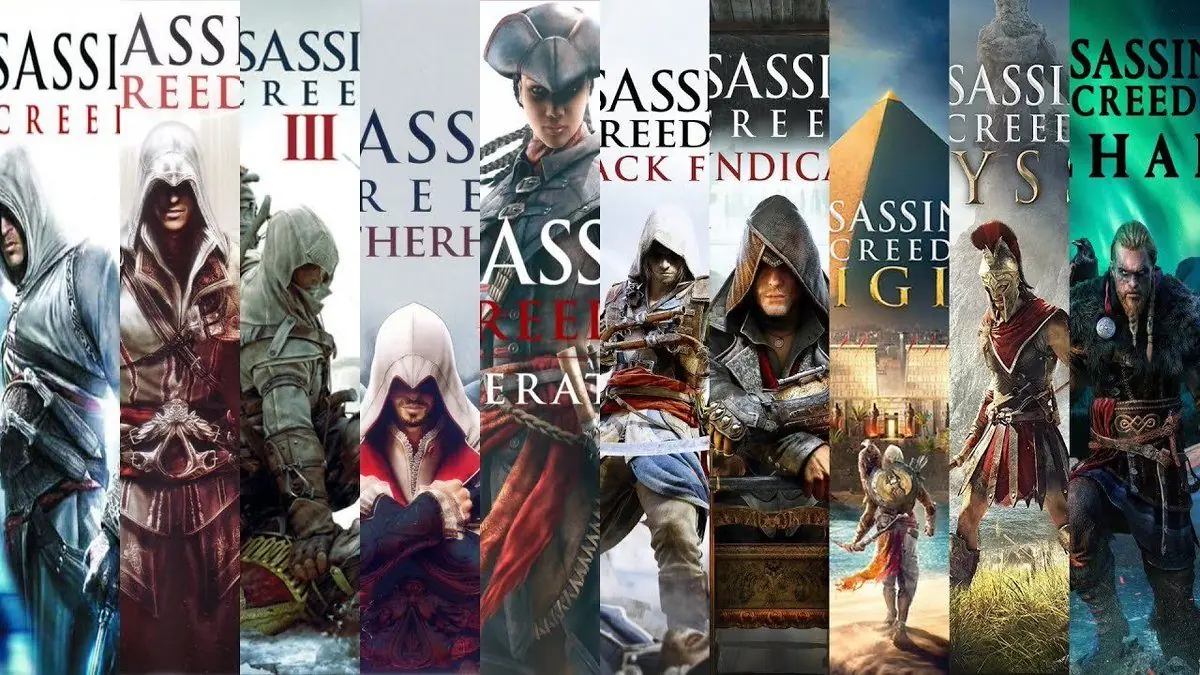
Remember when AC was about blending into crowds and silent takedowns? Those early games built their identity around stealth and parkour. Ezio’s story felt intimate and personal. The modern-day conspiracy with Desmond had real stakes. Players weren’t just stabbing Templars – they were uncovering ancient secrets that could reshape history.
Then everything changed. Origins turned the series into an RPG with damage numbers floating over enemies’ heads. Odyssey let you play as a demigod who could dropkick people off cliffs. Valhalla made you a Viking warrior more interested in raiding than hiding.
The shift worked commercially. These newer games sold better than most of the older ones. But it also split the fanbase down the middle. Some players embraced the evolution. Others felt like Ubisoft had abandoned everything that made AC special.
What’s fascinating is how the narrative elements kept people hooked despite the gameplay changes. Even the harshest critics often admit the historical settings remain incredible. Walking through ancient Egypt or Viking-era England still feels magical. The attention to detail in recreating these worlds is unmatched.
The stories themselves became more mythological than historical. But there’s something compelling about that shift too. Kassandra’s journey through Greek mythology feels like living inside an epic poem. Eivor’s Viking saga captures the brutal poetry of Norse culture. These aren’t just action games anymore – they’re interactive historical fiction.
That’s probably why some fans still defend the franchise so fiercely. Yes, the stealth mechanics got watered down. The modern-day plot became a mess. But few other games let you experience history this way. Where else can you sail with Cleopatra or raid English monasteries?
The cultural impact runs deeper than gameplay mechanics. AC helped prove that historical settings could be just as exciting as fantasy or sci-fi. It showed that players hungry for stories that go beyond shooting aliens or saving princesses. The series opened doors for games like Ghost of Tsushima and The Witcher 3.
That lonely tweet also reflects something broader about gaming discourse. We’ve become so focused on what’s broken that we sometimes forget to celebrate what works. AC games aren’t perfect. They’re often buggy at launch. They can feel repetitive. But they’re also ambitious in ways most developers won’t attempt.
The real question isn’t whether enjoying AC is unpopular. It’s whether we can appreciate what these games do well while acknowledging their flaws. Maybe that’s too nuanced for social media. Maybe that’s why the tweet got ignored.
Coming off the success of Mirage’s return to stealth roots, Ubisoft faces an interesting crossroads. Do they double down on the RPG formula that prints money? Or do they try to bridge the gap between old and new fans?
The answer probably lies in recognizing that both versions of AC can coexist. Some players want intimate stealth stories. Others prefer epic historical adventures. There’s room for both in gaming’s landscape.
So no, enjoying Assassin’s Creed isn’t really an unpopular opinion. It’s just a complicated one. The franchise means different things to different people. For some, it’s about perfect stealth kills and hidden blades. For others, it’s about living inside historical epics.
Maybe that’s actually the series’ greatest achievement. In a medium often divided between hardcore and casual players, AC found a way to appeal to both. It just took a while for everyone to figure that out.
The silence around that tweet doesn’t mean AC fans don’t exist. It just means they’re too busy exploring ancient worlds to argue about it on social media. Sometimes the best opinions are the quiet ones.