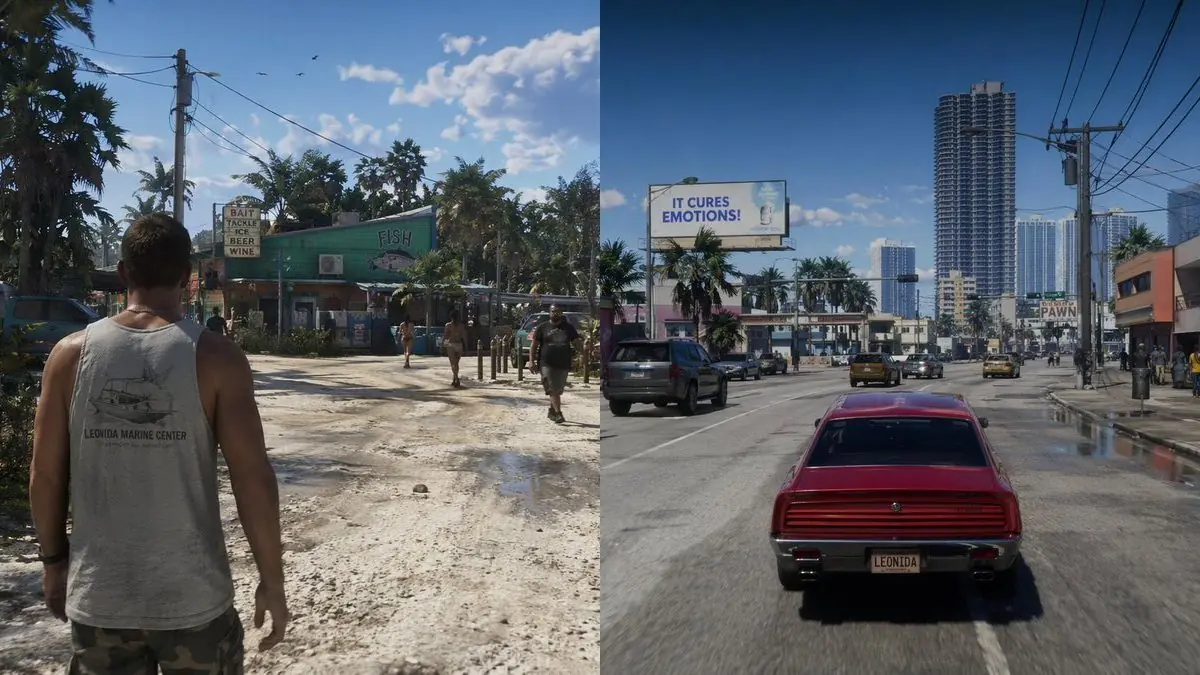
The line between real and fake has just gotten a lot blurrier in the world of Grand Theft Auto 6 leaks. A new AI-generated piece of content claiming to show GTAVI footage has left fans genuinely questioning what’s authentic anymore. The fake leak looks so convincing that it’s sparked serious conversations about the future of gaming leaks and how we verify what’s real.
The AI-generated content has struck a nerve with the GTA community. One viral tweet capturing the moment shows just how unsettling this development has become for fans who’ve been eagerly awaiting any genuine glimpse of Rockstar‘s next masterpiece.
“new AI leak from GTA 6 just Dropped and it’s genuinely scary how close they all look to the real GTAVI 🤯” – @MrkelsGame
The post racked up over 6,400 likes and hundreds of retweets, with fans expressing a mix of amazement and genuine concern. Many commented about how the AI footage captured the visual style and atmosphere they’d expect from a real GTA 6 leak. Others worried about what this means for future leak verification.
Notably, this isn’t just another case of obviously fake content getting called out. The AI has apparently nailed enough visual elements to pass the initial eye test that most fans use when evaluating leaks. The lighting, character models, and environmental details all align with what players expect from Rockstar’s next-gen engine.
Meanwhile, this development represents a significant shift in how the gaming community will need to approach leak culture going forward. For years, fans have relied on visual quality and technical details to separate real leaks from fan-made content. That traditional verification method is becoming less reliable as AI tools become more sophisticated.
The timing is particularly noteworthy given Rockstar’s history with leaks. The studio faced a massive breach in 2022 when genuine GTA 6 footage surfaced online, creating a template that AI generators can now apparently replicate convincingly. This creates a perfect storm where fake content can mimic the visual signatures of confirmed authentic material.
From an industry perspective, this phenomenon extends beyond just GTA 6. Game studios across the industry are grappling with how AI-generated content affects their marketing strategies and leak management. When fake footage can generate the same viral engagement as real leaks, it complicates how studios control narrative around their upcoming releases.
The technical achievement here is genuinely impressive from an AI development standpoint. Creating gaming footage that passes initial authenticity checks requires understanding of game engines, lighting systems, character animation, and environmental design. The fact that current AI tools can synthesize all these elements convincingly shows how rapidly the technology has advanced.
However, this advancement raises uncomfortable questions about information verification in gaming culture. Leak culture has always operated on a mix of insider credibility and visual evidence. When visual evidence becomes unreliable, the community will need new methods for distinguishing authentic information from sophisticated fakes.
Some fans have started calling for leak verification standards, similar to how social media platforms handle deepfakes. Others suggest that the community should become more skeptical of visual content unless it comes from proven sources with established track records.
Rockstar itself has remained silent on this specific AI-generated content, which is typical for the studio’s approach to leaks. The company rarely acknowledges fake material directly, preferring to let the community sort through authenticity questions independently.
Looking ahead, this incident likely represents just the beginning of AI’s impact on gaming leak culture. As the technology continues improving, we can expect even more convincing fake content that challenges traditional verification methods. The GTA 6 AI leak serves as an early warning about what’s coming for the entire industry.
Meanwhile, genuine GTA 6 fans are left in an increasingly difficult position. Every new piece of content now requires deeper scrutiny, and the excitement of potential leaks gets tempered by skepticism about authenticity. The magic of discovering real early footage gets diluted when fake alternatives look equally convincing.
For now, the gaming community will need to adapt to this new reality where seeing isn’t necessarily believing. The days of taking leak footage at face value are clearly ending, replaced by a more complex landscape where verification requires technical analysis rather than just visual inspection.
As AI technology continues advancing, this GTA 6 incident will likely be remembered as the moment when gaming leak culture fundamentally changed. The question isn’t whether more convincing fake content is coming, but how quickly the community can develop better tools for separating fact from very sophisticated fiction.