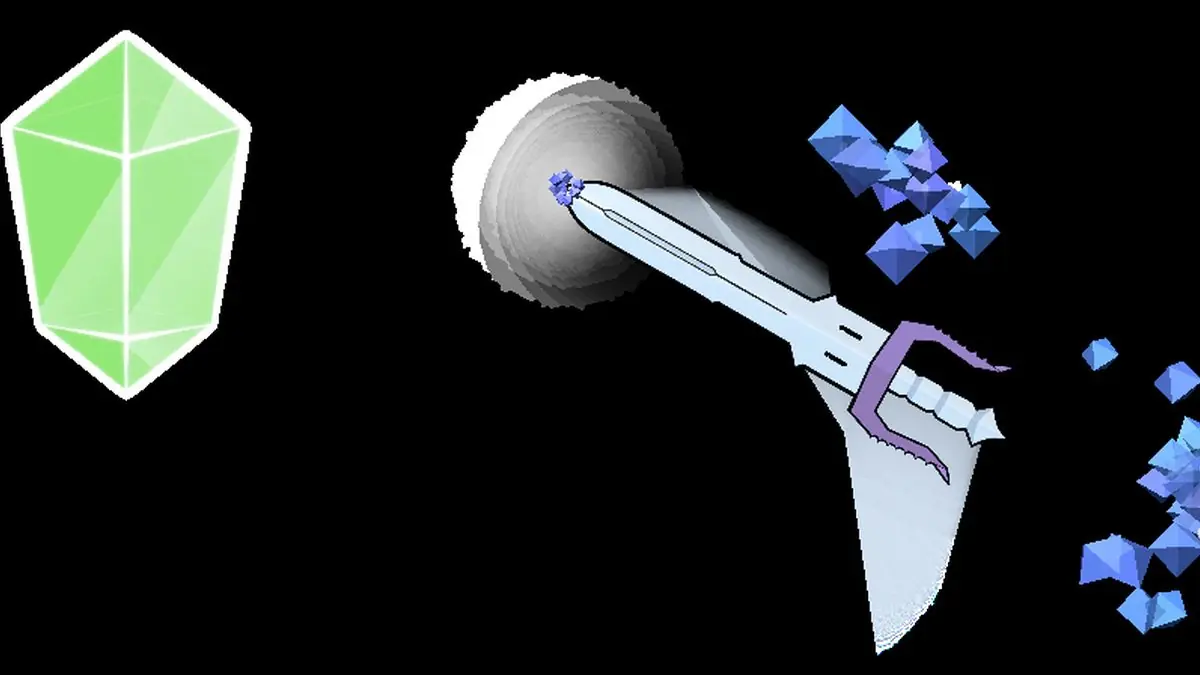
The Lone Sword is finally here. After years of grinding away in his spare time, solo developer Kamil has released his passion project on Steam. It’s the kind of story that makes you believe in the power of stubborn determination.
Kamil didn’t just code this game. He taught himself level design. He learned to draw. He figured out how to make music. All because he had this one gameplay mechanic that he couldn’t let go of.
“It took several years of after-hours solo development, but it’s finally ready. It was born from a single mechanic, and I learnt level design and drawing and music to build upon it. The most difficult things? Keeping on for these very long stretches of time when you have seemingly nothing to show for your work. And writing meaningful plot, world, characters when your entire foundation was gameplay. It did pay off, though. The Lone Sword has finally been released and you can purchase it with limited-time discount. I’m very proud of it and I think you’ll like it too. For you reading this: thank you for being here with me in this very special moment.” – Kamil on Steam
That message hits different when you think about what went into it. Years of work. Countless nights after his day job. Learning new skills from scratch because the vision in his head demanded it.
The game launched with a limited-time discount, which is smart. First impressions matter for indie games, and every sale counts when you’re a one-person studio competing against teams of hundreds.
But here’s what really stands out about Kamil’s journey. He didn’t start with a grand vision or a detailed design document. He had one mechanic that felt good. That’s it. Everything else – the levels, the art, the music, even the story – grew around that single idea.
That’s actually how a lot of great games start. Not with massive budgets or marketing campaigns, but with someone playing around and finding something that just works. Think about how Tetris came from Alexey Pajitnov messing around with pentominoes. Or how Portal grew from a student project called Narbacular Drop.
The hardest part wasn’t learning new skills. Kamil says it was those long stretches where nothing seemed to happen. Anyone who’s worked on a big project knows this feeling. You put in weeks of work and the game doesn’t look any different. Progress feels invisible.
This is where most solo projects die. Not from lack of skill or bad ideas, but from that grinding middle phase where motivation disappears. You start questioning everything. Is this even good? Will anyone care? Should I just give up?
Kamil pushed through it. That takes serious mental strength.
The other challenge he mentions is interesting too. How do you build meaningful characters and story when your whole foundation is gameplay? Most games start with either mechanics or narrative, then build the other half around it. But when you’re working backwards from a single mechanic, creating compelling characters becomes this weird puzzle.
It’s like being handed a really good drum beat and asked to write a symphony around it. Possible, but not easy.
The indie game scene has changed a lot in recent years. Steam gets flooded with new releases every day. Standing out is harder than ever. But stories like this remind us why indie games matter.
Big studios can’t take these kinds of risks. They can’t spend years chasing a single mechanic without knowing if it’ll work. They have shareholders and deadlines and market research telling them what to make.
Solo developers like Kamil can follow their instincts. They can spend three years learning music production because their game needs just the right soundtrack. They can throw out months of work if it doesn’t feel right.
That freedom comes with massive personal cost, though. Years of your life. Financial uncertainty. The very real possibility that nobody will care about your weird little game.
But when it works? When you finally hit that release button and people actually get it? That’s magic.
The Lone Sword represents something bigger than just one game. It’s proof that solo development isn’t dead. That learning skills on the fly is still possible. That having a single good idea and refusing to let go of it can actually work.
Now comes the hard part. Marketing. Building an audience. Getting people to notice your game among the thousands of others. Kamil’s done the creative work. The business side is a whole different challenge.
But he’s already won in the way that matters most. He had an idea, and he made it real. Everything else is just bonus points.
The limited-time discount won’t last forever, so if The Lone Sword sounds interesting, now’s the time to check it out. Supporting solo developers isn’t just about buying games. It’s about keeping that spirit of creative risk-taking alive in an industry that sometimes feels like it’s playing things too safe.
Kamil spent years of his life on this. The least we can do is give it a look.