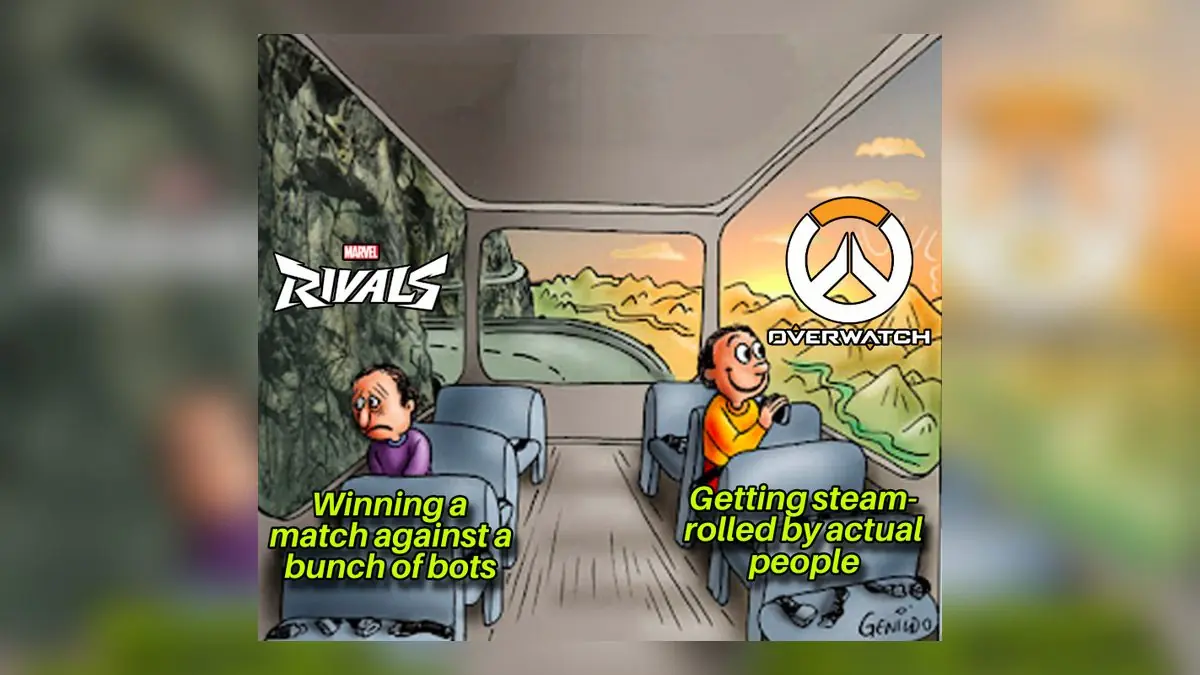
Sometimes a single Reddit post captures exactly what we’re all thinking but couldn’t quite put into words. That’s what happened when an Overwatch player dropped some truth about why losing to real people beats winning against bots every single time.
The sentiment is simple but powerful: authentic competition matters more than artificial victories. We’ve all been there — that hollow feeling when a game throws you an easy win against obvious bots, like it’s doing you some kind of favor.
“I prefer losing 3 times in a row than fighting the machine. Developers should know that ‘winning’ a match against a team of bots is not fun, but patronizing. One of the many things I love about Overwatch is that I may bite the dust pretty often, but when I win I know it was against a team composed of real people” — u/KaySan-TheBrightStar on r/Overwatch
This post struck a nerve because it highlights something fundamental about why we play competitive games in the first place. We’re not just looking for dopamine hits from easy wins. We want the real thing — the satisfaction that comes from outplaying another human brain, or even the respect we can give an opponent who outplayed us.
There’s something deeply satisfying about knowing your victories came from genuine skill and strategy. When you clutch that impossible 1v3 in Overwatch, half the thrill comes from knowing there were real people on the other end going “How did they do that?” Bots can’t give you that moment. They can’t appreciate your play or learn from it.
The bot problem goes way beyond just Overwatch though. We’ve all seen games that secretly fill lobbies with AI players when matchmaking gets slow. Mobile games are especially guilty of this — throwing you against obviously scripted opponents that make weird mistakes at convenient times. It feels fake because it is fake.
Some games try to disguise their bots with human-sounding names and slightly randomized behavior. But we can usually tell. The way they move, the decisions they make, the timing of their mistakes — it all feels off. And once you realize you’re fighting bots, the whole experience loses its meaning.
What makes this even worse is when games don’t tell you upfront. You think you’re climbing ranks and improving your skills, only to find out later that half your matches were against AI. It’s like finding out your friends let you win at board games when you were a kid — except you’re an adult and you paid money for this experience.
Overwatch has mostly avoided this trap by keeping its competitive integrity intact. When you queue up for a match, you know you’re going to face real players with real strategies and real emotions. Sure, you’ll lose plenty of games. Your team might not coordinate well. Someone might rage quit. But those losses teach you something that bot matches never could.
Real players adapt and learn during the match. They get tilted and make mistakes, or they clutch up in crucial moments. They use unconventional strategies that no algorithm would think of. They communicate (or fail to communicate) in ways that create genuine moments of teamwork or frustration. This unpredictability is what makes competitive gaming exciting.
The psychology behind preferring authentic losses over fake wins runs pretty deep. We’re wired to value genuine achievement over participation trophies. When everything comes too easily, nothing feels special anymore. The struggle is what gives the eventual success its meaning.
This connects to larger conversations about difficulty in gaming. Players often complain when games are too hard, but they complain even more when games are patronizingly easy. We want challenge that feels fair and earned. We want to fail because we weren’t good enough yet, not because the game decided it was time for us to lose.
For game developers, this Reddit post is a good reminder about what players actually value. It’s not about win rates or engagement metrics — it’s about the quality of the experience. Players would rather have a 40% win rate against real opponents than a 60% win rate against bots.
As the gaming industry continues to evolve, we hope more developers take note of this sentiment. Keep the competition real, keep the stakes meaningful, and trust players to handle both victory and defeat like adults. We don’t need our hands held — we just need worthy opponents and fair fights.
The conversation around authentic competition will likely keep growing as AI gets better at mimicking human behavior. The challenge for developers will be maintaining that human element that makes competitive gaming special, even as technology makes it easier to fake.