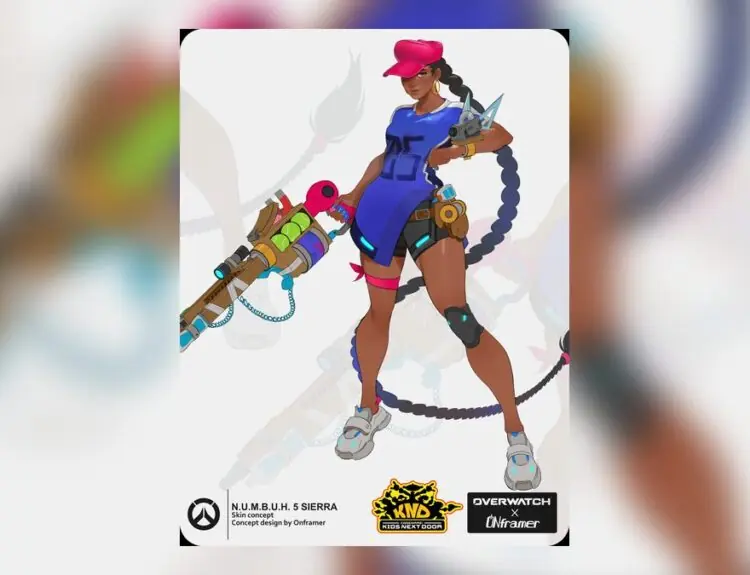

We’ve seen some wild pricing in gaming, but Blizzard just dropped a weapon skin that costs more than some AAA games. That’s right — €40 for a single cosmetic item in Overwatch.
To put that in perspective, you could buy Hades, Hollow Knight, or even some newer indie titles for less than what Blizzard wants for one weapon skin. It’s the kind of pricing that makes us all do a double-take.
The Overwatch community isn’t staying quiet about this one. Players are calling out the pricing on Reddit, and they’re not holding back.
“Does blizzard not feel a bit ridiculous charging 40 euros, more than an entire game, just for a weapon skin? These prices are insane even by blizzard standards” — u/Heygen on r/Overwatch
That comment really hits the nail on the head. When your own community says the pricing is “insane even by blizzard standards,” you know you’ve crossed a line. And trust us, Blizzard has pushed some boundaries before.
This isn’t just one angry player either. The broader Overwatch community has been vocal about cosmetic pricing for a while now. Many of us remember when skins were earned through gameplay or came in reasonably priced bundles. Now we’re looking at premium pricing that rivals full game purchases.
The frustration makes sense when you think about it. For €40, you could grab multiple indie games during a Steam sale. You could buy a month of Game Pass and play dozens of titles. Or you could get… one weapon skin that changes how your gun looks.
It’s worth noting that Overwatch moved to a free-to-play model, which means cosmetic sales are how Blizzard makes money from the game. But there’s a big difference between fair monetization and pricing that feels like it’s pushing the limits of what players will accept.
This pricing strategy reflects a broader trend we’re seeing across the gaming industry. Premium cosmetics are becoming more expensive, with some companies testing just how much players will pay for digital items. It’s creating a two-tier system where basic cosmetics are accessible, but the really cool stuff requires serious cash.
For competitive players, weapon skins don’t change gameplay at all. They’re pure cosmetic items that let you express your style or show off to other players. But when that expression costs as much as a full game, it starts to feel less like personalization and more like exploitation.
The community reaction also highlights something important about player expectations. We’ve gotten used to microtransactions in free-to-play games, but there’s still a line most of us aren’t comfortable crossing. When a single cosmetic costs more than games we’ve spent hundreds of hours playing, that line feels pretty clear.
Blizzard has built a loyal fanbase over the years, but pricing like this tests that loyalty. Players invest time and emotional energy into games like Overwatch. When they feel like that investment is being taken advantage of, it creates real frustration within the community.
The timing isn’t great either. With the economy being tough for a lot of young gamers, spending €40 on a cosmetic feels even more out of touch. Many of us are being more careful about gaming purchases, focusing on titles that give us the most value.
This controversy also shows how important community feedback is in shaping game monetization. When players push back against pricing they see as unfair, it sends a clear message to developers and publishers about what the market will bear.
Looking ahead, this could be a testing ground for how far premium cosmetic pricing can go. If players buy the €40 skin despite the complaints, other companies might see that as a green light to push their own prices higher. If sales are disappointing, we might see Blizzard rethink their strategy.
The Overwatch community has always been passionate about their game, and that passion includes caring about how it’s monetized. Whether Blizzard listens to this feedback could determine how their relationship with players evolves going forward.
For now, we’ll have to wait and see if this pricing experiment pays off for Blizzard, or if community pushback leads to changes in their cosmetic strategy.