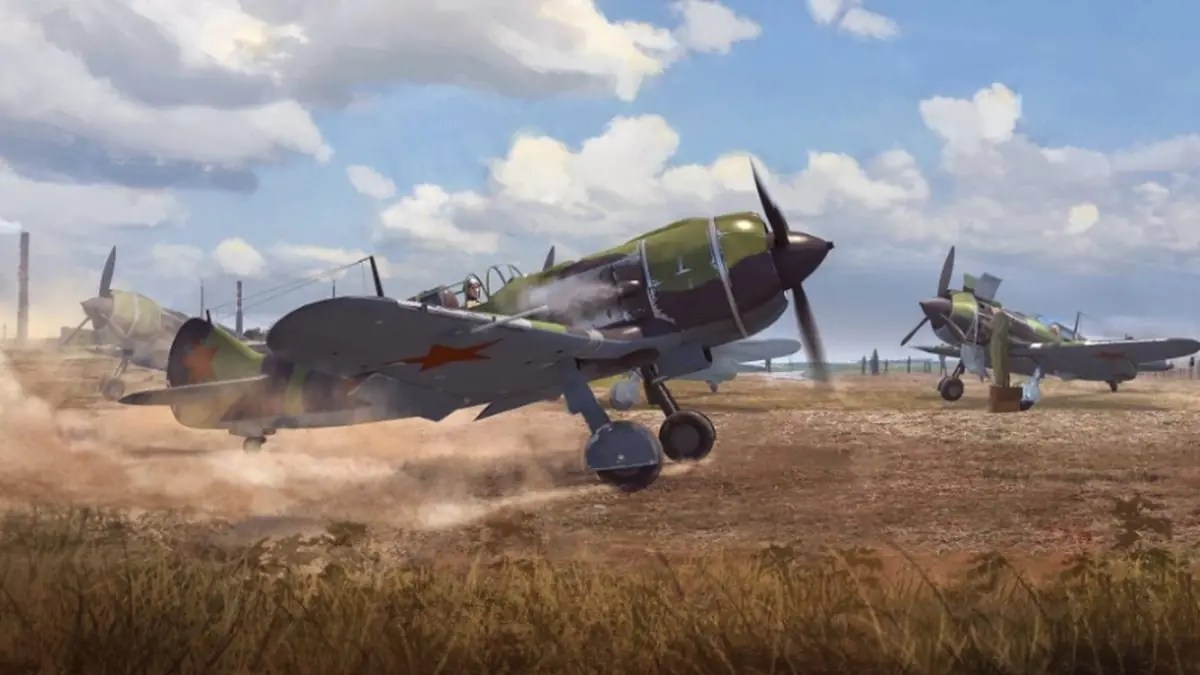
War Thunder‘s April 16 server update might seem modest on paper, but it represents something increasingly rare in modern game development: surgical precision in addressing community concerns. Gaijin Entertainment’s latest patch tackles two specific map exploits that were fundamentally breaking core gameplay mechanics.
The update’s scope is deliberately narrow, focusing on critical issues rather than sweeping changes. Meanwhile, the developer’s transparency about their patch note philosophy offers insight into a more mature approach to live service maintenance.
“Server Update 16.04.2026 Locations and Missions- Kuban — a bug that caused the airfield of the eastern team to be outside of the playable area has been fixed. (Report). Mozdok — a bug that caused the enemies to enter the bridge from its vertical side has been fixed. Patch notes reflect only key changes, meaning they may not include a complete list of all improvements made.” — @WarThunderEN
The Kuban airfield issue represents the kind of fundamental problem that can quietly erode player trust. When an entire team’s spawn point sits outside the playable area, it’s not just inconvenient — it’s a complete breakdown of map design integrity. Similarly, the Mozdok bridge exploit allowed players to access geometry in unintended ways, creating unfair tactical advantages.
These fixes highlight Gaijin’s evolving relationship with quality assurance. The Russian developer has historically faced criticism for rushed content releases, particularly during War Thunder’s explosive growth period between 2019 and 2023. Notably, the studio’s current approach appears more methodical, prioritizing game-breaking issues over feature additions.
The patch notes themselves reveal an interesting development philosophy. Gaijin explicitly states that their documentation “reflects only key changes,” acknowledging that numerous background improvements occur without fanfare. This represents a stark contrast to the exhaustive changelogs favored by developers like Digital Extremes or the marketing-heavy patch presentations common in competitive shooters.
Meanwhile, the emphasis on community feedback channels — bug reporting services, forums, and “other official platforms” — suggests a more systematic approach to player input. The developer’s commitment to addressing issues “in order of importance” with game-breaking bugs receiving priority treatment indicates a maturation in their live service strategy.
This targeted approach becomes particularly relevant when considering War Thunder’s unique position in the military simulation space. Unlike arcade shooters that can absorb minor bugs without significant impact, simulation games demand precision. Map exploits in War Thunder don’t just affect individual matches — they can undermine the careful balance between realistic military tactics and engaging gameplay that defines the genre.
Gaijin’s track record with community-driven development has been inconsistent. The studio earned praise for their responsiveness during the game’s early access period but faced backlash during controversial economic changes in 2023. The current patch represents a return to the fundamentals that initially built War Thunder’s dedicated following: listening to player reports and fixing what’s broken.
The timing is also noteworthy. April typically marks the beginning of War Thunder’s spring content cycle, when major vehicle additions and gameplay overhauls traditionally arrive. Instead, Gaijin chose to lead with stability fixes — a decision that suggests either exceptional confidence in their upcoming content or a deliberate shift toward maintenance-first development.
For the broader military simulation community, this approach offers a template worth watching. Games like DCS World and Arma 3 have struggled to balance new content with stability, often favoring ambitious additions over fundamental fixes. War Thunder’s current methodology — transparent communication about limited scope, community-driven priorities, and acknowledgment of ongoing background work — could influence how other simulation developers approach live service maintenance.
The patch also demonstrates the value of mature bug reporting infrastructure. The fact that these specific issues were identified, reported through proper channels, and addressed with surgical precision suggests that Gaijin’s community feedback systems are functioning as intended. This stands in contrast to the chaotic bug-hunting that characterizes many early access titles.
Looking ahead, this update style likely previews Gaijin’s approach for the remainder of 2026. Rather than dramatic overhauls, expect incremental improvements driven by player feedback. The developer’s emphasis on prioritizing game-breaking issues suggests they’re building toward something more substantial — possibly the long-rumored naval aviation expansion or enhanced ground vehicle physics.
For War Thunder’s 50 million registered players, this maintenance-focused approach represents a welcome shift toward stability. Meanwhile, competitors in the military simulation space would be wise to observe how targeted fixes can generate more goodwill than ambitious feature drops that introduce new problems.
The April 16 update might not generate headlines, but it demonstrates something more valuable: a developer that has learned to listen, prioritize, and execute with precision.