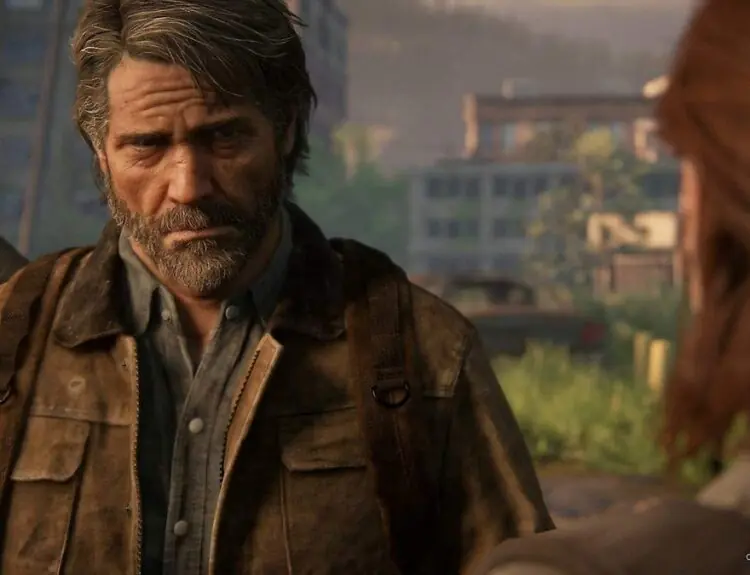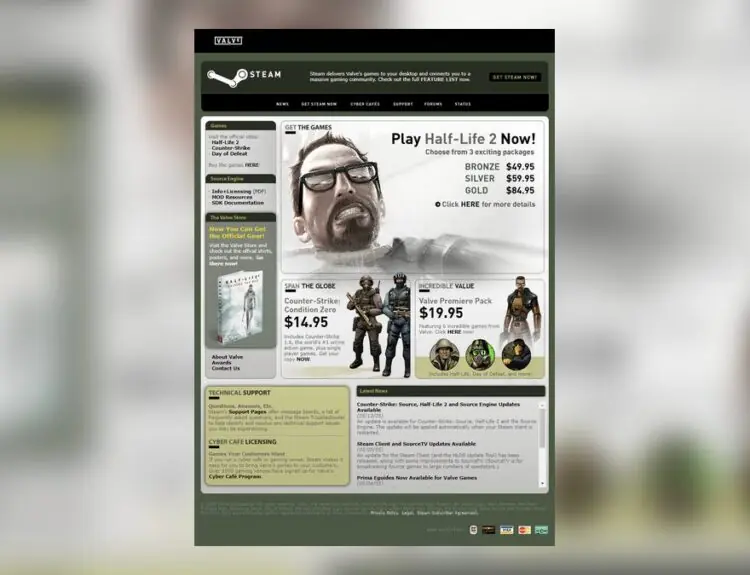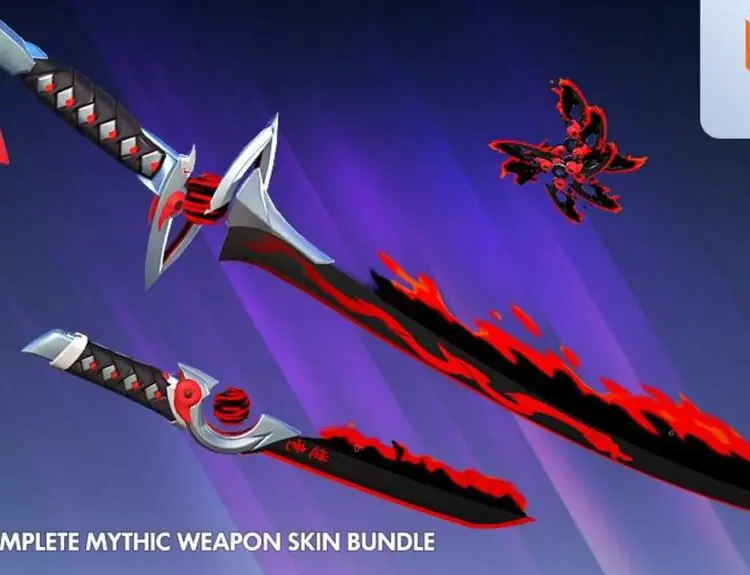
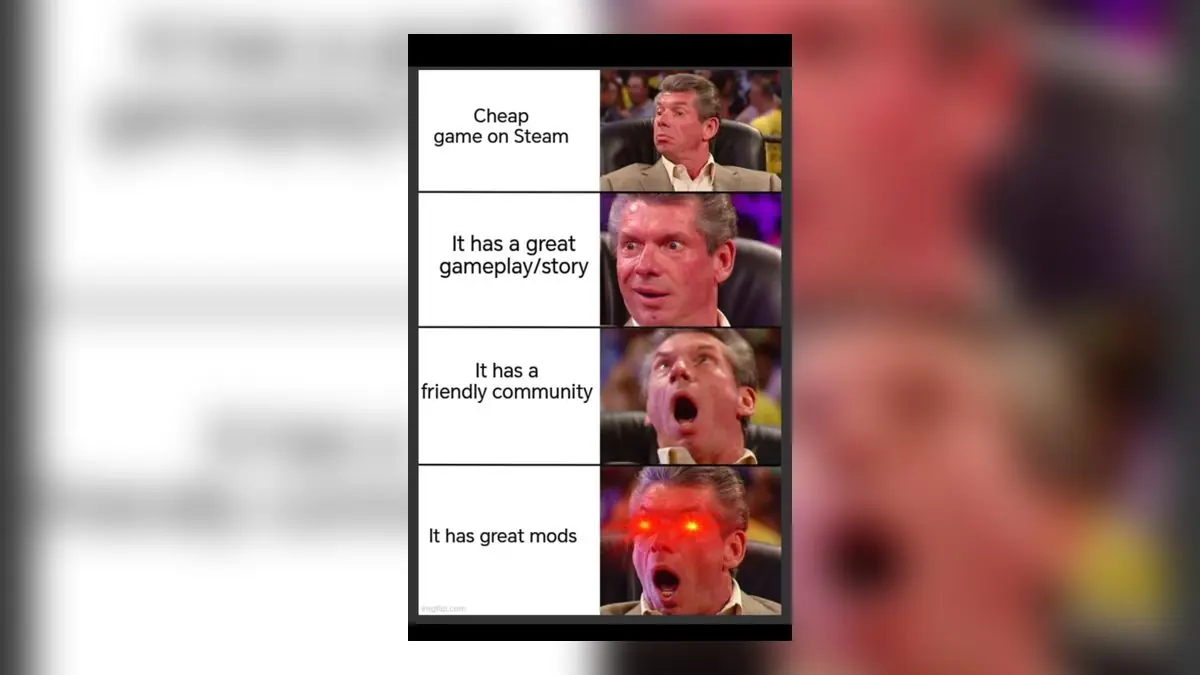
We’ve all been there. You see a screenshot, catch a glimpse of gameplay, or remember fragments of a game from years ago, but you just can’t put your finger on what it was. That’s exactly what happened when one Reddit user turned to the Steam community for help.
Advertisement“Which game is this?” — u/Common_Caramel_4078 on r/Steam
This simple question represents something beautiful about our gaming community. When someone needs help identifying a mystery game, we don’t just scroll past. We stop, we think, and we dig deep into our collective gaming knowledge to help a fellow player solve their puzzle.
The response to posts like these shows just how much we care about preserving gaming history and helping each other out. Whether it’s a forgotten indie gem from 2018 or an obscure title that never got the attention it deserved, our community has an incredible track record of cracking these cases.
We’ve seen threads where users identify games from the tiniest details. Maybe it’s just a description of a weird boss fight, a specific art style, or even just “that game where you could pet the dog.” Somehow, someone always knows. It’s like having thousands of gaming encyclopedias walking around, ready to share their knowledge.
The detective work that goes into these identifications is honestly impressive. People will analyze pixel art styles, remember developer histories, and even recognize sound effects from brief audio clips. We’ve built this massive collective memory of gaming that spans decades and genres.
But it’s not always easy. With Steam’s library now hosting over 50,000 games, finding that one specific title can feel like looking for a needle in a haystack. New games launch every day, and plenty of older titles get buried under the constant stream of releases.
Some users get frustrated when their posts don’t get immediate answers. The sheer volume of games makes it tough, especially for more obscure titles or games that had limited releases. Not every mystery gets solved quickly, and sometimes they don’t get solved at all.
The challenge gets even bigger when dealing with early access games that might have changed dramatically since launch, or titles that have been removed from stores entirely. We’re dealing with a constantly shifting landscape where games appear and disappear, making identification that much harder.
Still, the community keeps trying. We’ve created entire subreddits dedicated to this kind of detective work, and the success stories are amazing. There’s something deeply satisfying about watching a mystery unfold in real time as users piece together clues and memories.
What makes these identification efforts so special is how they bring us together. It doesn’t matter if you’re a casual player or someone with thousands of hours logged across hundreds of games. Everyone’s knowledge matters. That random mobile game you played for a week in 2019 might be exactly what someone else is desperately trying to remember.
These posts also highlight how much gaming means to us on a personal level. People aren’t just looking for any game to play – they’re trying to reconnect with specific memories and experiences. Maybe it’s a game they played with friends, or something that got them through a tough time. Finding that lost game can feel like recovering a piece of your gaming history.
The collaborative nature of game identification shows our community at its best. We share knowledge freely, celebrate successful identifications together, and never make anyone feel bad for not remembering details clearly. It’s the kind of positive gaming culture we should be proud of.
As gaming continues to grow and evolve, these community identification efforts become even more important. We’re the keepers of gaming history now. When official documentation fails or gets lost, we’re the ones who remember. We’re preserving not just the games themselves, but the stories and memories around them.
Looking ahead, tools and databases are getting better at helping with game identification. Steam’s improved search features, gaming wikis, and even AI-powered recognition systems are making it easier to find lost games. But none of that replaces the human element – our ability to connect dots that algorithms miss and remember the emotional impact that makes games special.
The next time you see someone asking “which game is this?” remember that you might be the one person who knows the answer. Our collective gaming knowledge is one of our community’s greatest strengths, and every identification success story adds another thread to the amazing tapestry of gaming culture we’re building together.