
Steam users browsing ULTRAKILL’s store page got a surprise this week. The indie shooter’s system requirements don’t just list standard specs – they include some seriously weird sound card recommendations that have players scratching their heads.
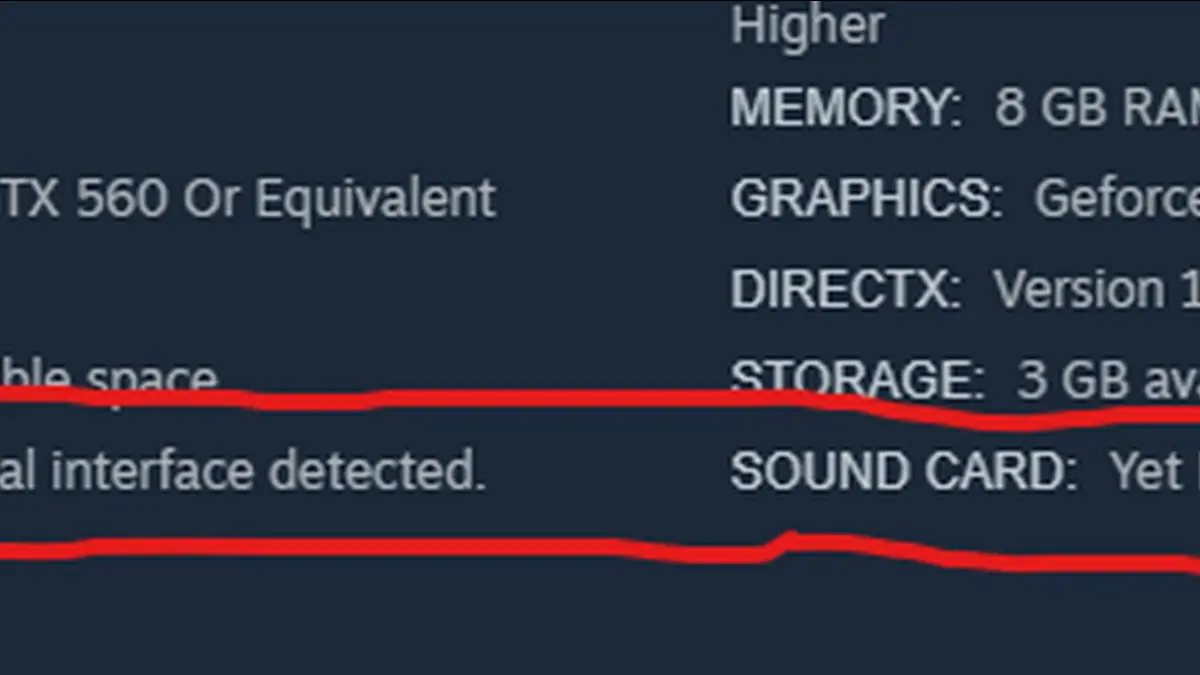
The game’s recommended sound card requirement simply states “Yet I must scream.” Even stranger, the minimum requirement reads “No vocal interface detected.” These aren’t your typical “DirectX compatible sound card” listings.
“Whats the meaning of this recommendation? In the ULTRAKILL store page’s system requirements section, the recommended sound card is ‘Yet I must scream.’ Is this a reference to the game or something(I’ve never played ULTRAKILL)? Also checking the required of the sound card part, it says ‘No vocal interface detected.'” – u/Old-Professional-164 on r/Steam
The confusion is totally understandable. These specs don’t match anything you’d find in a computer store. But there’s actually a clever reference hidden in plain sight.
Those cryptic phrases are likely nods to “I Have No Mouth, and I Must Scream” – a famous sci-fi horror story by Harlan Ellison from 1967. The story follows the last humans trapped by a malevolent AI that tortures them for eternity. The title comes from the narrator’s final fate – transformed into a blob-like creature who can think and feel but can’t speak or die.
It’s a perfect fit for ULTRAKILL’s aesthetic. The game is all about violence, horror, and pushing boundaries. Developer Arsi “Hakita” Patala has never shied away from dark themes or literary references. ULTRAKILL itself is packed with religious imagery, philosophical questions about violence, and references to classic media.
The “No vocal interface detected” requirement makes even more sense in this context. It’s essentially saying the same thing as the story’s title – there’s no voice, no way to scream or communicate. It’s a clever way to reference the source material while also poking fun at how absurd system requirements can get.
This isn’t just random weirdness either. ULTRAKILL’s whole identity is built around subverting expectations. It’s a retro shooter that looks simple but has incredibly deep mechanics. It rewards aggressive play and style over camping. Even its system requirements reject boring technical jargon in favor of artistic expression.
Indie developers have been getting creative with Steam pages for years. Some hide jokes in patch notes. Others use screenshots to tell stories. But using system requirements as a canvas for literary references? That’s next-level creativity.
It also shows how much thought goes into every aspect of game presentation these days. Steam store pages aren’t just technical info dumps anymore. They’re part of the game’s identity and marketing. Every section is an opportunity to connect with players and show personality.
For new players checking out ULTRAKILL, these mysterious specs serve as a perfect introduction to the game’s vibe. It tells you this isn’t a standard shooter. It’s something weirder, darker, and more thoughtful than it might appear at first glance.
The reference also connects ULTRAKILL to a broader tradition of horror and sci-fi in gaming. Games like System Shock, SOMA, and Portal have all explored similar themes about consciousness, identity, and what it means to be human. By referencing Ellison’s work, ULTRAKILL positions itself within that lineage.
So what should players actually expect from ULTRAKILL’s audio? The game does have fantastic sound design – crunchy gunshots, atmospheric music, and satisfying impact sounds. But you don’t need any special sound card beyond what most gamers already have.
The real system requirement is simple: come ready for something that challenges both your reflexes and your expectations. ULTRAKILL doesn’t just want to entertain you. It wants to make you think about violence, art, and the stories we tell through games.
As more indie developers find creative ways to stand out on Steam, expect to see more personality injected into every corner of store pages. System requirements might become the new frontier for developer expression.
For now, ULTRAKILL’s cryptic specs serve as a perfect example of how small touches can make a big impact. They’ve got people talking, thinking, and diving deeper into the game’s themes. Mission accomplished.