Steam‘s regional key system continues to puzzle gamers worldwide, and a recent Reddit post perfectly captures the frustration many international players face when trying to figure out what works where.
The question seems simple enough, but the answer is anything but straightforward. Steam’s regional restrictions have evolved significantly over the years, creating a complex web of policies that even experienced users struggle to navigate.
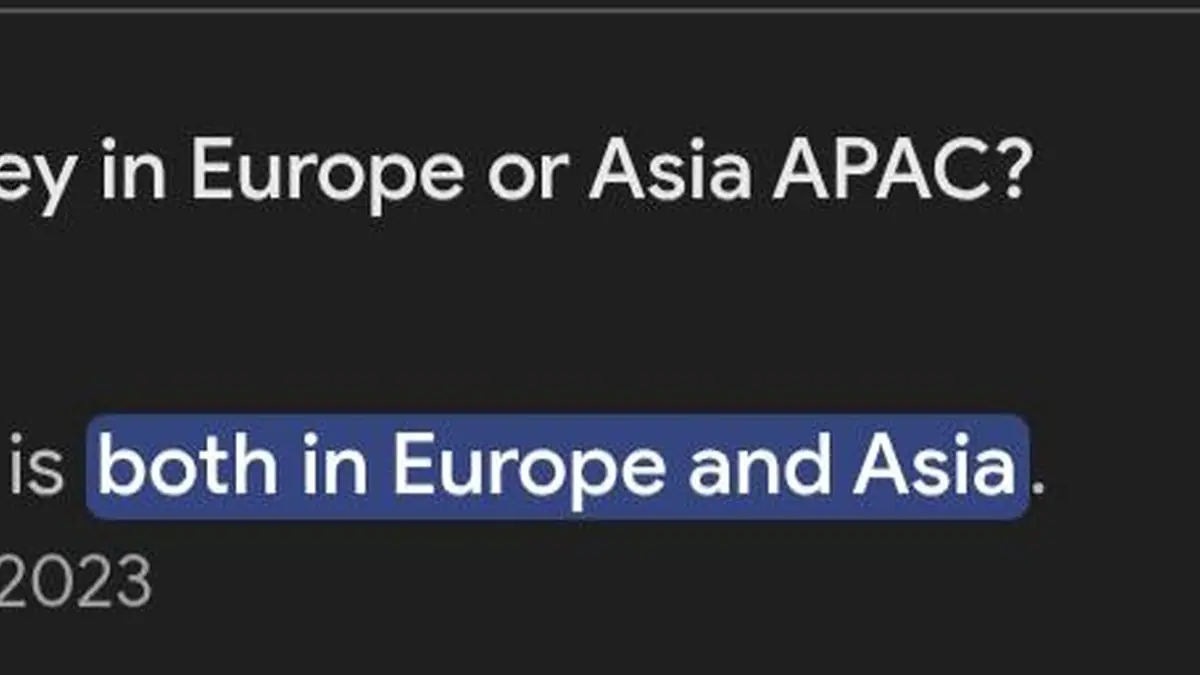
“Does EU steam keys work in turkey?” – u/Tight_Grapefruit5280 on r/Steam
This kind of question pops up constantly across gaming forums, and it’s easy to understand why. Steam’s regional system isn’t just about where you buy a key – it’s about where you activate it, where you live, and sometimes even where you’re traveling when you try to play.
The confusion stems from Steam’s layered approach to regional restrictions. Some keys are locked to specific countries or regions. Others work across broader geographic areas. And then there are keys with no regional restrictions at all. The problem is that there’s no universal rule, and the information isn’t always clear upfront.
Turkey sits in a particularly tricky spot when it comes to Steam’s regional system. The country has historically been part of different regional groupings for different games and publishers. Sometimes it’s lumped with Europe, sometimes with its own Middle East/Asia region, and occasionally it gets treated as its own unique market.
This inconsistency makes it nearly impossible for Turkish gamers to know what will work without doing extensive research for each individual purchase. EU keys might work for some games but not others. The same publisher might have different regional policies for different titles.
The situation gets even more complicated when you factor in third-party key sellers. Sites like Humble Bundle, Fanatical, and various gray market retailers all have their own ways of handling regional restrictions. Some are transparent about limitations, others aren’t.
What makes this particularly frustrating is that Steam’s own interface doesn’t always make regional restrictions clear before purchase. You might not find out a key won’t work until you try to activate it. And by then, getting a refund can be complicated, especially if you bought from a third-party seller.
The root of the problem goes back to publishers wanting different pricing strategies in different markets. Games often cost less in countries with lower average incomes, and regional locks prevent people from buying cheaper keys from those regions. It’s a system designed to protect profit margins, but it creates genuine confusion for legitimate users.
For Turkish gamers specifically, the situation has shifted multiple times over the years. Steam has adjusted its regional groupings, sometimes moving Turkey between different categories depending on economic factors and publisher requests. These changes aren’t always well-communicated, leaving users to figure things out through trial and error.
The community has tried to fill the information gap. Reddit communities, Steam forums, and gaming Discord servers all have unofficial guides and user-generated compatibility lists. But this crowdsourced information can be outdated, incomplete, or just plain wrong.
Steam itself provides some regional information in its subscriber agreement and support documents, but it’s written in legal language that doesn’t translate well to practical “will this key work” questions. The company tends to keep its regional policies somewhat vague, probably to maintain flexibility as markets change.
This ambiguity hurts everyone involved. Gamers waste time and sometimes money on keys that won’t work. Legitimate key sellers deal with confused customers and refund requests. Even Steam loses out when frustrated users turn to alternative platforms or piracy.
The gaming industry as a whole is moving toward more transparent regional policies. Some publishers now clearly label regional restrictions on their store pages. Digital storefronts are getting better at showing compatibility information upfront. But Steam, despite being the largest PC gaming platform, still lags behind in making this information easily accessible.
Looking ahead, the regional key situation probably won’t get simpler anytime soon. If anything, it might get more complex as publishers experiment with different pricing models and try to balance global accessibility with regional economic realities.
For now, Turkish gamers and others in similar situations are left doing their own research, relying on community knowledge, and sometimes just taking educated guesses. It’s not an ideal system, but understanding the complexity behind that simple Reddit question helps explain why there’s no simple answer.
The best advice for anyone dealing with regional key uncertainty remains the same: buy directly from Steam when possible, research thoroughly before purchasing third-party keys, and don’t hesitate to ask the community for guidance. Sometimes the collective knowledge of fellow gamers is more reliable than official documentation.