Sometimes the best gaming investments aren’t the latest GPUs or cutting-edge consoles. Sometimes it’s a plastic guitar that cost $60 back in 2007.
That’s exactly what one Reddit user discovered this week. The hardware specs might seem laughable compared to modern controllers, but Guitar Hero equipment delivers something current gaming gear often lacks – pure, reliable fun that doesn’t need patches or updates.
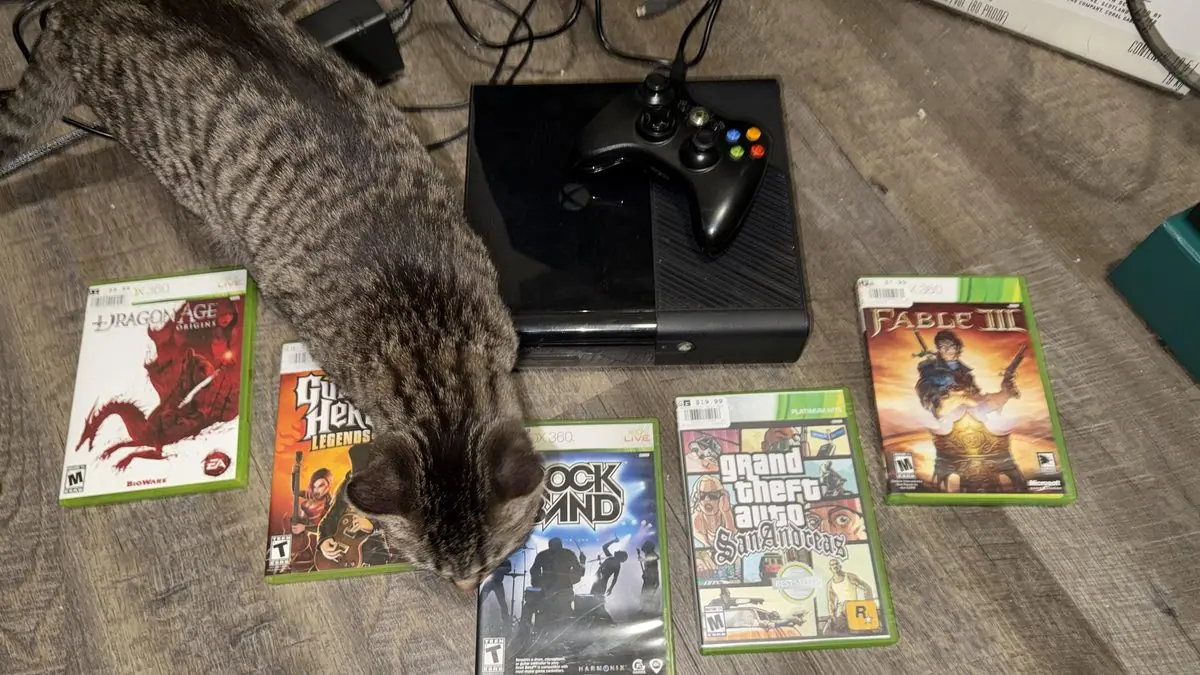
“Had a hankering to replay Guitar Hero so made an investment today” – u/ISpyM8 on r/gaming
The technical reality is impressive when you break it down. These controllers use basic but effective tech. Five fret buttons with decent tactile feedback. A strum bar that’s survived millions of downstrokes. Whammy bars that still bend notes after years of abuse. The build quality on the good ones (looking at you, Gibson Les Paul controller) was genuinely solid.
Xbox guitar controllers especially hold up well. The wireless connectivity stays stable. Battery life remains respectable. The plastic might show wear but the internals keep trucking. That’s engineering that lasts.
But let’s talk about the elephant in the room – compatibility nightmares.
Modern systems don’t play nice with old Guitar Hero gear. Xbox 360 controllers won’t work on Xbox One without adapters that cost more than the original game. PlayStation controllers have similar issues across generations. It’s a mess of dongles and workarounds.
The PC scene offers better options but requires technical know-how. Clone Hero keeps the dream alive but setting up controllers can be frustrating. Driver issues plague older wireless dongles. USB adapters work better but add latency that hardcore players notice.
Still, the community keeps finding solutions. Third-party adapters fill the gaps. Modders create new interfaces. The dedicated rhythm game crowd refuses to let these controllers die.
What makes this purchase smart from a value perspective? Guitar Hero controllers aren’t making more of themselves. Decent ones command real money on the used market. A working Gibson Les Paul controller can hit $100-150 on eBay. Wireless Xbox 360 guitars with dongles go for $80-120.
The software ecosystem supports the investment too. Clone Hero offers thousands of custom songs. Rock Band 3 still works on older consoles. Even the original Guitar Hero games deliver solid gameplay that hasn’t aged poorly.
Compare that to modern gaming hardware that loses half its value in two years. These controllers appreciate or hold steady. They’re functional collectibles that you actually use.
The rhythm game market never fully recovered from the oversaturation crash of 2009-2010. Rock Band and Guitar Hero flooded shelves then disappeared overnight. But the core appeal never faded. People still want to feel like rock stars in their living rooms.
Current attempts at revival miss the mark. Rock Band 4 felt half-hearted. Guitar Hero Live’s streaming model was doomed from the start. Nothing captures the magic of the peak era games with their massive setlists and progression systems.
That leaves the retro market as the only real option for rhythm game fans. And retro means hunting down original hardware that was built to different standards than today’s throwaway controllers.
These guitars were designed for intensive use. Multiple players passing them around at parties. Thousands of songs worth of strumming. The good ones survive because they had to.
The drumkits tell a similar story but with more complexity. Good Rock Band drums are mechanical marvels – velocity-sensitive pads, solid kick pedals, adjustable everything. Finding a complete working kit with all cymbals is like striking gold.
Looking ahead, this hardware will only get more valuable. The rhythm game audience is growing again thanks to streaming and nostalgia content. But manufacturing isn’t coming back anytime soon.
MadCatz is gone. Harmonix focuses on different projects. Activision killed Guitar Hero again. No major publisher wants to restart the plastic instrument assembly lines.
That creates opportunity for the existing hardware. Every working controller becomes more precious as broken ones get thrown away or lost in moves.
Smart buyers are stocking up now while prices are still reasonable. In five years, a mint condition Guitar Hero controller might cost more than a new DualSense.
The lesson here goes beyond rhythm games. Well-built gaming hardware holds value when it serves a unique purpose. Light guns, dance pads, racing wheels – anything that delivered specialized experiences that modern controllers can’t replicate.
Guitar Hero equipment represents peak plastic instrument design. The hardware works. The software library is massive. The community stays active.
That Reddit purchase wasn’t just nostalgia. It was a solid investment in proven gaming tech that still delivers the goods in 2026.