
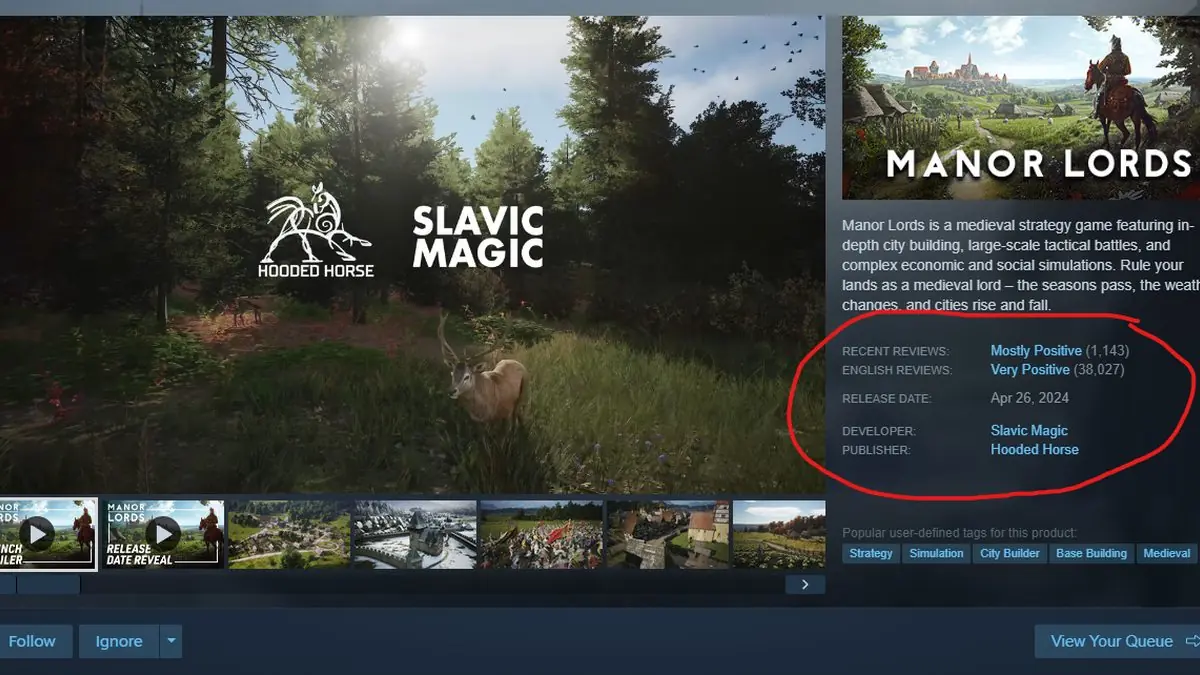
Picture this: you’re digging through your Steam library, rediscovering that early access gem you bought two years ago during a moment of optimism. Was it Manor Lords? Maybe it was that indie survival game with the beautiful art style. You remember the promise, the potential, the developer’s earnest roadmap posts. But now, staring at the game’s store page, a question gnaws at you — is this thing even still alive?
This is the modern early access dilemma, and Steam’s interface isn’t helping tell the story.
The platform that revolutionized digital game distribution has somehow made one of the most crucial pieces of information — when a game was last updated — frustratingly difficult to find. It’s like trying to check if your favorite TV show got renewed by digging through the network’s corporate filing cabinet.
One frustrated gamer recently put this problem into words:
“Why doesn’t steam easily show you when a game was last updated? You need to dig into multiple menu’s to find out if an early access game has been abandoned or not. Manor Lords is not really related to this.. because it isn’t abandoned. But I bought it 2 years ago and was curious if it was still getting updated. Maybe I missed something but I could only find it under ‘events and announcements’ mixed with in with random blog posts. It makes it difficult for normal people to figure out if their potential purchase will ever be officially released.” — u/TH3_Captn on r/pcgaming
This isn’t just a UI problem — it’s a storytelling crisis. Early access games live and breathe on narrative momentum. They’re not just products; they’re ongoing conversations between developers and the community that believes in their vision. When Steam makes it hard to follow that conversation, it breaks something fundamental about the relationship.
Think about what early access really is: it’s a pact between creator and supporter. Players hand over their money not for a finished product, but for a promise. They’re buying into a story that’s still being written, trusting that the developers will keep updating, keep communicating, keep moving toward that vision they pitched.
But when you can’t easily see if a game has been updated in six months, that trust starts to crack. Is the developer still passionate about their project? Did they take the money and run? Are they working in silence, or have they moved on to something else? Without clear update information, every early access purchase becomes a leap of faith in the dark.
Steam’s current system forces players to become digital archaeologists. You have to click through store pages, scroll through “events and announcements” sections filled with random blog posts, and piece together clues about whether development is still active. It’s exhausting, and it damages the very relationship that makes early access work.
The irony is thick: Steam, the platform that made indie development possible for thousands of creators, is accidentally undermining the communication that keeps those relationships healthy. Manor Lords, mentioned in that Reddit post, is actually a great example of active development — but players shouldn’t have to hunt for that information like they’re solving a mystery.
Other platforms handle this better. Itch.io shows recent activity prominently. GitHub makes commit history central to every project page. Even social media platforms understand that recency matters for engagement. Steam, somehow, treats update information like classified data.
This problem gets worse as Steam’s library grows. With thousands of early access games competing for attention, clear update visibility becomes crucial for both players and developers. A game that updates regularly should wear that fact like a badge of honor, not hide it in submenu archaeology.
The fix isn’t complicated from a technical standpoint, but it requires Steam to understand something about the stories their platform enables. Early access isn’t just about selling unfinished games — it’s about building communities around shared creative journeys. Those communities need information to stay engaged, to keep believing in the story being told.
Steam could add a simple “last updated” date to store pages. They could highlight recent updates in search results. They could create a dedicated section for early access communication. These aren’t revolutionary features — they’re basic transparency tools that would strengthen the developer-player relationship.
As early access becomes an increasingly important part of the gaming ecosystem, platforms like Steam need to evolve their interfaces to support these ongoing narratives. The current system doesn’t just frustrate individual players — it undermines confidence in the entire early access model.
The best stories are the ones where you can see progress happening. Right now, Steam is making those stories unnecessarily hard to follow. For a platform built on connecting creators with their audiences, that’s a plot twist nobody asked for.
Whether Valve will address this interface blind spot remains to be seen. But as more developers embrace early access as a development model, and more players invest in unfinished dreams, the pressure for better communication tools will only grow. The question isn’t whether Steam needs better update visibility — it’s how long they’ll wait to give these stories the interface they deserve.