Remember the simple days when you could pop a cartridge into your console and just play? Those golden afternoons spent gaming with siblings, no internet required, no digital checks, just pure fun? Well, Sony just made those memories feel a little more distant.
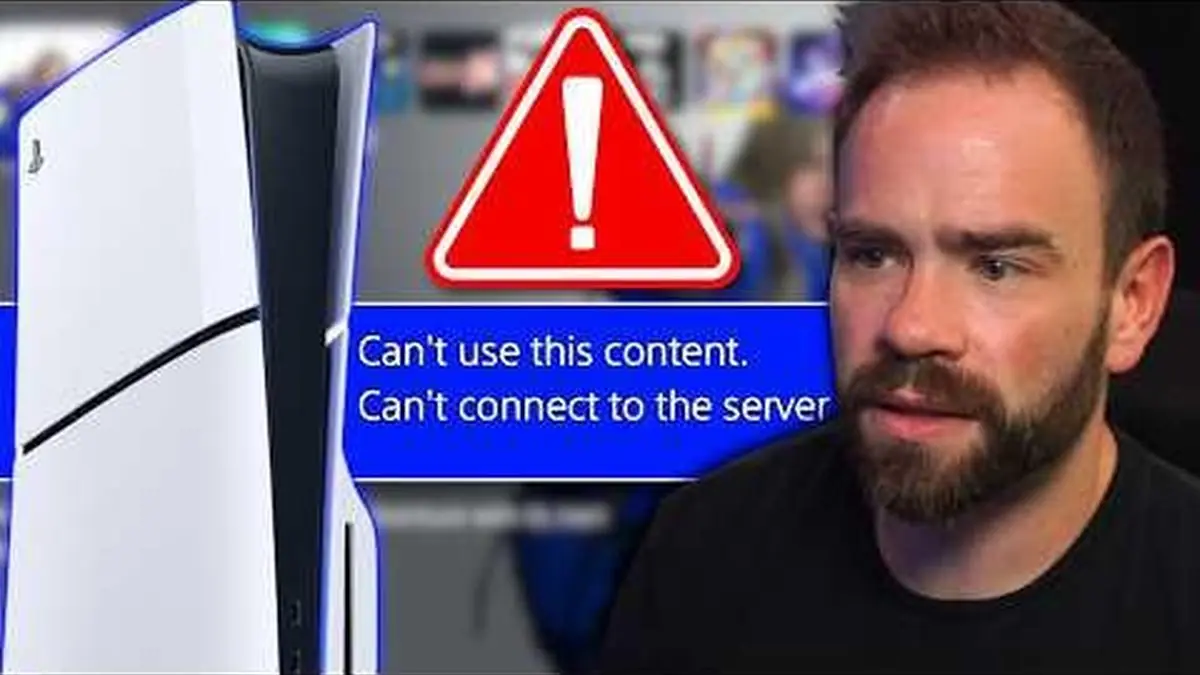
The PlayStation maker has quietly rolled out a new DRM system that’s got families and digital game collectors scratching their heads. Recent PS5 digital purchases now need to “phone home” every 30 days. Miss that check-in window, and your games won’t start.
“Newly implemented 30-day online check-in DRM is now also confirmed for recent PS5 digital purchases.” – u/FitNectarine5779 on r/PS5
It’s not just PS5 games either. This new system affects recent PS4 digital purchases too. The kicker? If your console’s CMOS battery dies (and they all do eventually), your digital games simply won’t launch. That’s a tough pill to swallow for families who’ve built their entire gaming library on digital downloads.
Before you panic about your game collection, there’s some good news. This DRM only affects recent digital purchases. Your older games are safe, and physical media continues to work just fine. It’s like Sony drew a line in the sand and said “everything after this point needs our permission to run.”
But here’s where it gets tricky for families. Picture this: you’re heading to grandma’s house for the weekend with the kids. Her internet is spotty at best. You pack the PS5, thinking the kids can enjoy their favorite games during downtime. But if it’s been more than 30 days since your last online check, those games become expensive paperweights.
The gaming community isn’t exactly throwing a party over this news. Digital preservation folks are especially concerned. These are the people who care about keeping games playable for future generations. They’re asking important questions: what happens to these games in 20 years? Will Sony’s servers still be running? What if the company decides to shut down older systems?
It’s a valid worry. We’ve already seen what happens when digital storefronts close. Remember the Wii Shop Channel? All those classic games, gone. Now imagine that happening to your entire PS5 library because a battery died and Sony’s servers moved on.
From Sony’s perspective, this is probably about fighting piracy. Digital rights management has always been a balancing act between protecting content creators and respecting legitimate customers. But this particular approach feels like it tips that balance pretty heavily toward corporate control.
The timing is interesting too. As more families go all-digital (physical games are getting harder to find, especially for kids’ favorites), Sony adds more restrictions to digital ownership. It’s like buying a car that needs to call the dealership every month to keep running.
What makes this especially puzzling is that it’s not consistent across Sony’s library. Your copy of Spider-Man from 2022 might work fine offline, but if you bought it last month, you’re out of luck without internet. That’s confusing for parents trying to understand what they actually own.
The broader gaming industry is watching this closely. If Sony can quietly implement always-online requirements without major pushback, other console makers might follow suit. Microsoft and Nintendo are probably taking notes right now.
For families building digital libraries, this is a wake-up call. Physical games suddenly look more appealing when you realize digital purchases come with invisible strings attached. Sure, discs take up space and can get scratched, but they don’t need permission to work.
Game preservation groups are already documenting this change. They’re the unsung heroes working to ensure future kids can experience the games we love today. Their job just got a lot harder.
So what’s next for PlayStation families? If you’re buying digital games, just know they come with this 30-day leash now. Keep your console online regularly, and you’ll be fine. But if you value offline gaming or worry about long-term access, physical media suddenly feels like the safer bet.
Sony hasn’t made any official announcements about expanding or changing this system. For now, it seems like they’re testing the waters with recent purchases. The community’s reaction might determine whether this becomes the new normal or gets quietly reversed.
Either way, it’s a reminder that digital ownership isn’t quite the same as owning something physical. Sometimes the old ways of playing games start looking pretty good again.