Remember sitting in front of your TV as a kid, controller in hand, completely absorbed in some epic RPG adventure? Turns out those countless hours weren’t just fun and games. They were secretly building your vocabulary in ways your English teacher never could.
A Reddit user recently sparked a heartwarming discussion that’s got the gaming community feeling all nostalgic. The simple question hit home for thousands of players who realized their favorite childhood games had been sneaky vocabulary teachers all along.
“What’s a word that’s in your vocabulary because of a game you played as a kid?” – u/superyellows on r/gaming
The post exploded with responses. Players shared stories about stumbling across fancy words in their favorite games and adding them to their everyday speech. It’s the kind of wholesome content that reminds us why we fell in love with gaming in the first place.
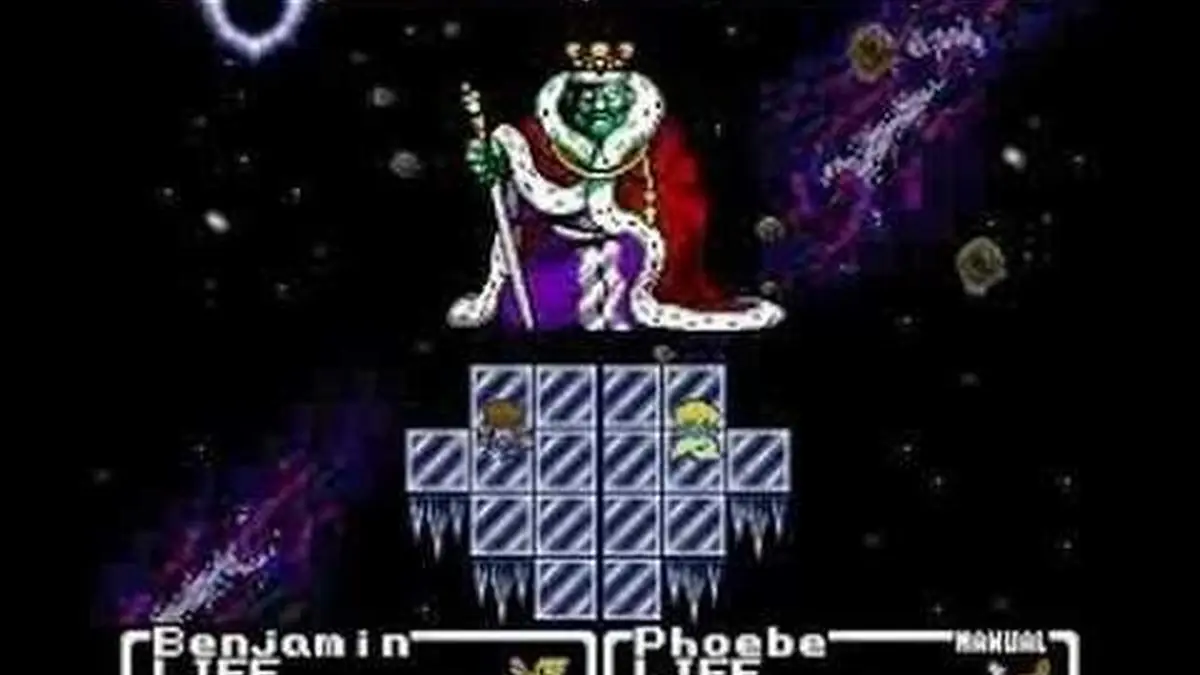
The original poster kicked things off by sharing how Final Fantasy Mystic Quest taught them the word “muster.” You know the feeling – you’re playing some epic boss fight and suddenly the game tells you to “muster your strength.” As a kid, you might not know what it means, but the context makes it crystal clear. You need to gather up all your power and give it everything you’ve got.
Pokemon fans jumped in with their own vocabulary victories. The series has always been packed with surprisingly advanced words. “Loamy” showed up to describe certain terrains, and moves like “buffeted” introduced players to words they’d never hear in casual conversation. But when you’re trying to catch ’em all, every word matters.
What makes this so special is how naturally it happens. Games don’t lecture you about vocabulary or make you memorize definitions. They drop these words right into exciting moments where the meaning becomes obvious. When your character is “buffeted” by strong winds during an intense battle, you instantly understand what that word means. It sticks because it’s connected to something fun and memorable.
The responses kept pouring in, each one more heartwarming than the last. Players shared how JRPGs taught them words like “traverse,” “endeavor,” and “perilous.” Strategy games introduced terms like “siege” and “fortify.” Even action games snuck in vocabulary lessons through item descriptions and quest text.
This isn’t just nostalgic fun – it’s proof that games are incredible learning tools. Traditional education often struggles to make vocabulary stick because words feel abstract and disconnected. But games embed new words in rich, interactive contexts. When you learn “muster” from Final Fantasy, you’re not just memorizing a definition. You’re experiencing the weight and power behind the word.
The timing couldn’t be better for this discussion either. Parents and educators are always looking for ways to make learning more engaging. This Reddit thread is a goldmine of evidence that games can be serious educational allies. Kids who might struggle with traditional vocabulary lessons can absorb complex words effortlessly through gameplay.
What’s really beautiful about this whole conversation is how it celebrates gaming’s quieter achievements. We often focus on graphics, gameplay mechanics, and storylines. But here’s a thread full of people whose lives were genuinely enriched by the thoughtful word choices game developers made decades ago.
The educational benefits go beyond just vocabulary too. Games teach reading comprehension, critical thinking, and problem-solving. They expose players to different cultures, historical periods, and ways of thinking. A kid playing Civilization might learn about ancient civilizations while picking up words like “agriculture” and “diplomacy.”
This Reddit discussion also highlights something special about the gaming community. Despite all the toxicity and arguments that can plague online gaming spaces, threads like this remind us that we’re all connected by shared experiences. Whether you learned “muster” from Final Fantasy or “buffeted” from Pokemon, there’s something magical about discovering that other players had the same vocabulary-building journey.
As the thread continues to grow, it’s becoming a beautiful time capsule of gaming’s educational impact. Parents who grew up with these games now have concrete examples of how gaming benefited their development. Teachers might find inspiration for incorporating games into their lesson plans.
The next time someone questions the value of video games, point them to this thread. Here’s living proof that games have been quietly enriching vocabularies and expanding minds for generations. Those hours spent exploring virtual worlds weren’t wasted – they were building the foundation for a lifetime of learning and communication.
Who knows? Maybe today’s kids playing modern games are having their own vocabulary breakthroughs right now, discovering words that will stick with them forever.