Another day, another indie developer throwing their hat into the ring. But this time, it’s worth paying attention.
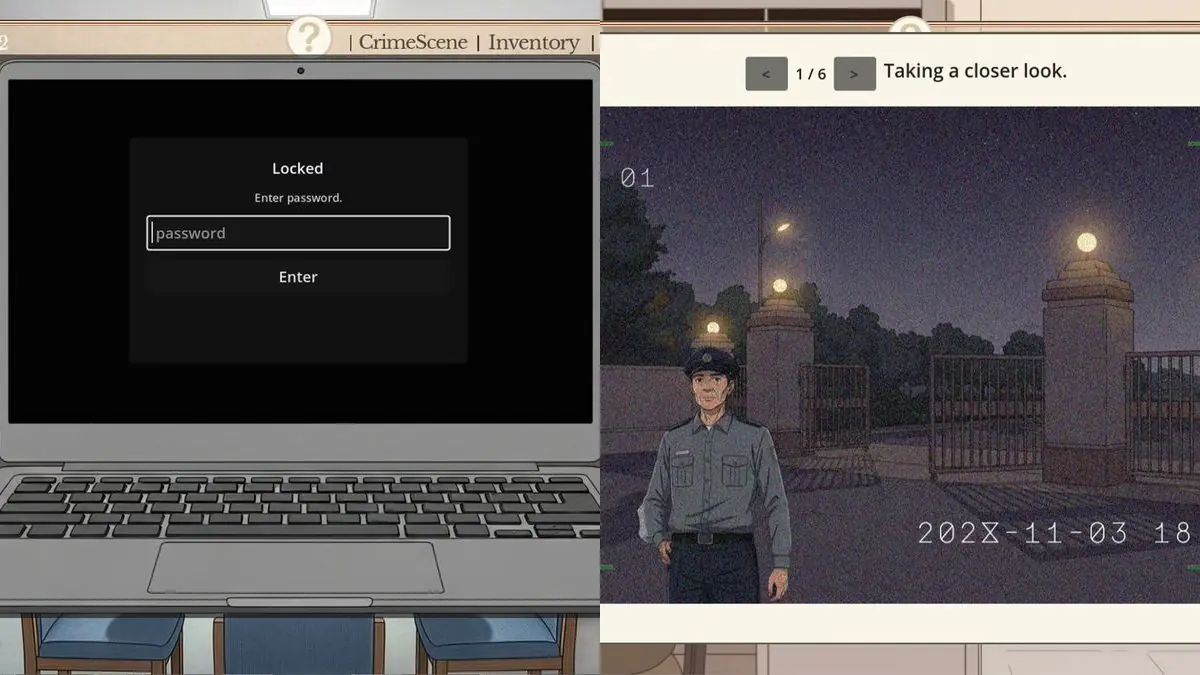
The Missing Threads just dropped its demo on Steam, and developer windiedev isn’t being shy about asking for support. In a world where thousands of games launch every month, getting noticed is harder than actually making the game.
“💡The DEMO 💡for 「The Missing Threads」is now live on Steam‼️ If you’re interested, I’d love for you to give it a try!🔍 And if you can, please wishlist it too!💙💚💜” — @windiedev
The developer’s approach here is refreshingly honest. No corporate speak, no marketing buzzwords. Just a straightforward “hey, we made something, please check it out.” It’s the kind of genuine appeal that feels increasingly rare in gaming.
What makes this interesting isn’t just the demo itself — it’s what it represents. We’re seeing more indie developers lean heavily into demos as their main discovery tool. With Steam’s algorithm being what it is, and with marketing budgets that are basically nonexistent, demos have become the great equalizer.
The wishlist campaign is smart too. Steam’s algorithm heavily weights wishlist numbers when deciding what to show players. For indie games, those wishlists can mean the difference between launching into obscurity and actually reaching an audience. It’s not just vanity metrics — it’s survival.
This whole situation highlights something we’ve been seeing more of lately. Indie developers are getting more direct about asking for support. Gone are the days when devs would quietly release something and hope for the best. Now they’re actively engaging with potential players, explaining why wishlists matter, and being upfront about needing help.
And honestly? It’s working. Players seem to respond better to authentic appeals than polished marketing campaigns. There’s something refreshing about a developer who says “I’d love for you to give it a try” instead of “experience groundbreaking gameplay.”
The Missing Threads joins a growing list of indie games using demos as their primary marketing tool. It makes sense — why spend money on ads when you can just let people play your game? If it’s good, players will tell their friends. If it’s not, at least you’ll get feedback.
This approach also shows how much the indie landscape has changed. Five years ago, most developers would never release a demo. Too much risk of people playing it instead of buying the full game. But now, with so much competition, demos are almost mandatory. Players expect them.
The timing is interesting too. Launching a demo on a Tuesday in April isn’t exactly prime real estate. But for indie games, every day is basically the same on Steam. There’s no perfect launch window when you’re competing with AAA releases and hundreds of other indies.
What’s particularly smart about windiedev’s strategy is the personal touch. Instead of having a faceless company account make the announcement, the developer themselves is out there engaging with players. It creates a connection that big studios can’t replicate.
This is also a reminder of how much work goes into indie game marketing beyond just making the game. Windiedev has to be developer, marketer, community manager, and cheerleader all at once. It’s exhausting, but it’s the reality of indie development in 2026.
The response to the tweet — 35 likes and 9 retweets — might seem small compared to AAA announcements, but for an indie developer, that engagement is gold. Each one of those interactions could turn into a wishlist, which could turn into a sale, which could fund the next game.
Looking ahead, The Missing Threads will need to convert those demo players into actual customers. That’s where the real challenge begins. Demos are great for discovery, but turning free players into paying customers is its own art form.
The success of this approach will likely depend on the quality of the demo itself. If players enjoy their time with it, they’ll naturally want more. If not, even the best marketing won’t help.
For other indie developers watching, windiedev’s strategy offers a solid template. Be genuine, ask for specific support, make it easy for players to help, and engage personally with your community. It’s not rocket science, but it requires courage to put yourself out there.
The Missing Threads demo is live now on Steam. Whether it succeeds or not, it’s another example of indie developers adapting to an increasingly crowded marketplace. And that adaptation might just be what saves indie gaming.