Amazon’s counterfeit problem has officially reached Nintendo Switch games, and the implications for physical game collectors are more troubling than you might expect.
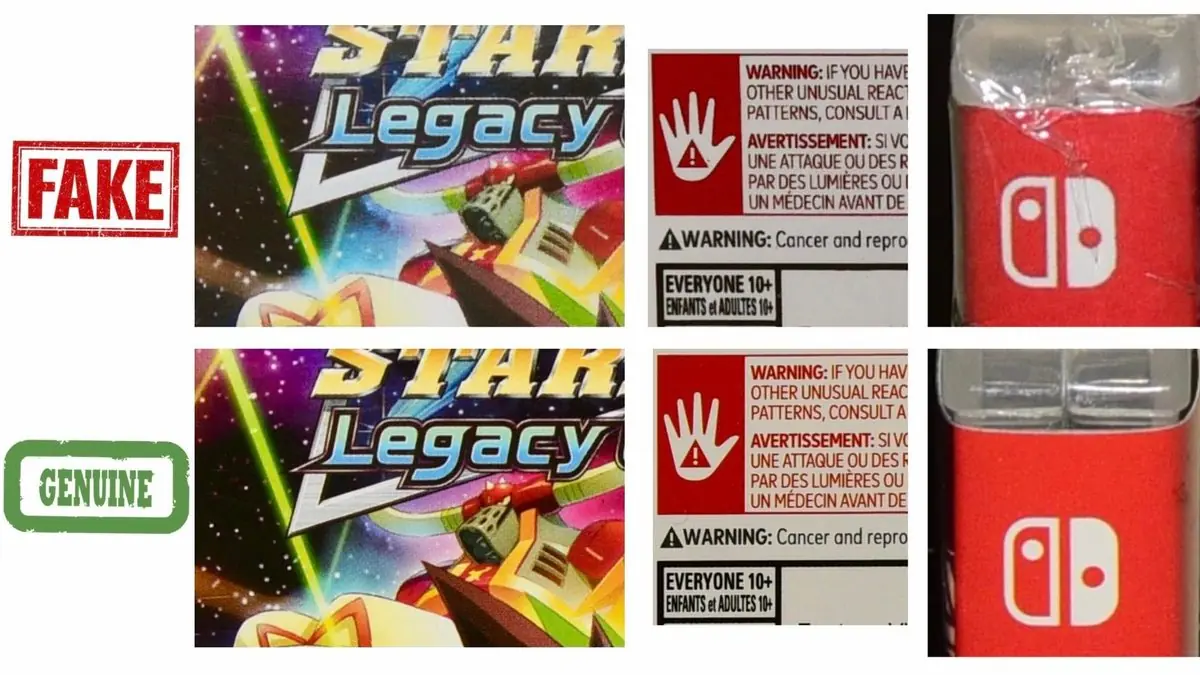
A Reddit user recently shared their experience receiving what appeared to be a professionally counterfeited Nintendo Switch game directly from Amazon — not a third-party seller, but with the coveted “shipped and sold by Amazon” label that’s supposed to guarantee authenticity. The discovery has sent ripples through the physical game collecting community, particularly because of how quickly these fakes are appearing in circulation.
“New game from Amazon arrived resealed + altered. I know Amazon has a tendency for counterfeit/bait&switches but the game just came out, PSA to anyone trying to collect physical copies. This is the most convincing reseal I’ve seen, I imagine it’ll only get more sophisticated on Amazon. It said shipped & sold by Amazon so I thought I was safe, I bought it like a week after the release date.” — u/RaccoonSoggy2976 on r/NintendoSwitch
The details of this counterfeit are particularly concerning for collectors. The fake featured washed-out colors, missing sharp details on the cover art, and even lacked the inner case graphic that legitimate copies include. Most notably, it came with what the user described as a “bad factory seal” and an LPN label — telltale signs of tampering that many casual buyers might miss.
Meanwhile, the speed at which this counterfeit appeared in Amazon’s supply chain raises questions about the platform’s inventory management. The user purchased the game just one week after its release date, suggesting that counterfeiters are working at an unprecedented pace to flood the market with fakes. This timeline is particularly alarming when you consider the traditional manufacturing and distribution pipelines that legitimate games must navigate.
The sophistication of these counterfeits represents a significant escalation from the crude knockoffs that plagued earlier gaming generations. Today’s counterfeiters are investing in high-quality printing equipment and studying legitimate packaging with forensic attention to detail. The result is fakes that can fool even experienced collectors at first glance.
This incident also highlights Amazon’s ongoing struggle with inventory commingling — a practice where items from multiple sellers are stored together in warehouses. When a customer orders a product “shipped and sold by Amazon,” they might actually receive an item that was originally supplied by a third-party seller. This system, designed for efficiency, creates opportunities for counterfeit products to infiltrate Amazon’s official inventory.
The gaming industry has been grappling with counterfeiting for decades, but the stakes have never been higher. Physical game sales represent a crucial revenue stream for publishers, particularly for smaller studios that rely on collector editions and limited releases. Meanwhile, the secondary market for rare games has exploded in value, making counterfeiting more lucrative than ever.
Nintendo, notably, has been one of the more proactive companies in fighting counterfeits, implementing various anti-piracy measures and working with law enforcement to shut down operations. However, the decentralized nature of modern e-commerce platforms makes enforcement increasingly challenging.
For physical game collectors, this development represents a fundamental shift in how they approach purchases. The traditional wisdom of “buy from reputable retailers” no longer provides the security it once did when even Amazon’s official inventory can be compromised. Collectors are now developing new strategies: comparing photos with known legitimate copies, checking for specific details like inner artwork, and even purchasing from multiple sources to verify authenticity.
The broader implications extend beyond individual purchases. If counterfeit games become widespread enough, they could undermine confidence in physical game collecting entirely. This would be particularly damaging for Nintendo, whose first-party titles often hold their value better than games on other platforms.
Looking ahead, expect to see publishers and retailers implementing more sophisticated anti-counterfeiting measures. This might include unique serial numbers, holographic elements, or even blockchain-based authentication systems. Amazon, meanwhile, will likely face increasing pressure to overhaul its inventory management practices and implement stricter verification procedures for high-value items.
For now, physical game collectors should approach Amazon purchases with increased skepticism, regardless of the seller designation. The age of assuming “shipped and sold by Amazon” equals authenticity appears to be over, marking another unfortunate milestone in the ongoing battle against counterfeiting in the gaming industry.