
Steam sales are great. But what if you could get those same games for even less?
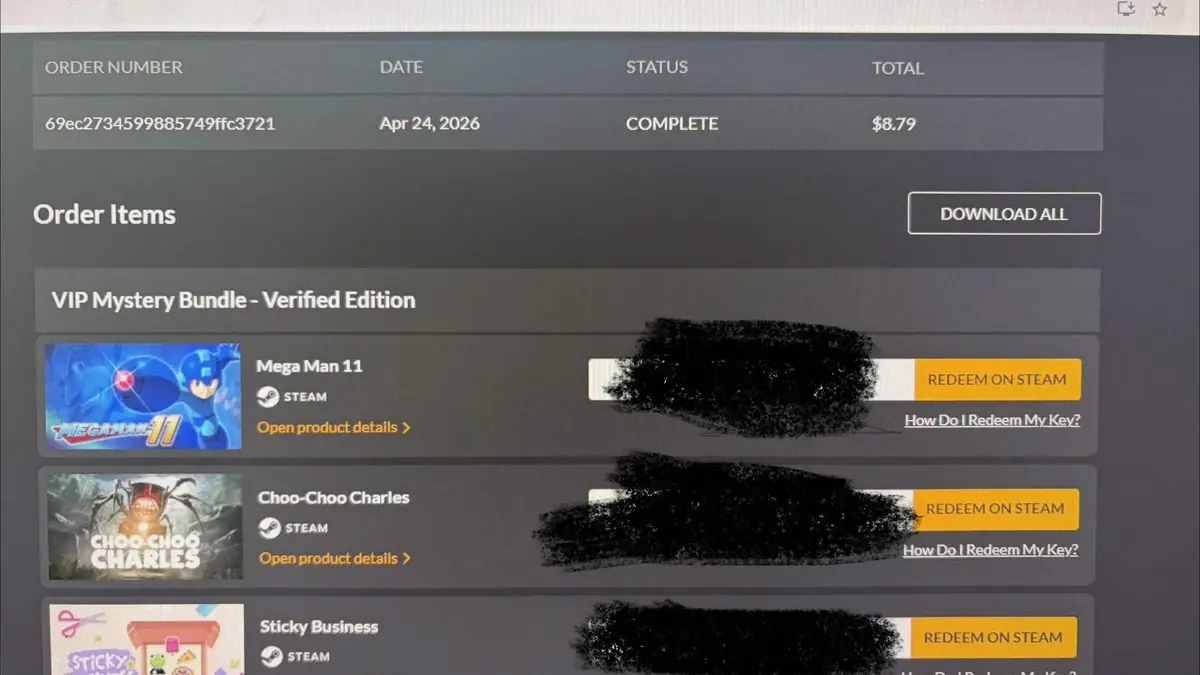
That’s exactly what one Reddit user discovered when they dipped their toes into the Steam key marketplace for the first time. Their reaction says it all.
“Bought some steam keys for $9 for the first time and I think I hit a small jackpot” – u/Current_Newt_4542 on r/Steam
For veterans of sites like G2A and CDKeys, this excitement feels familiar. But for newcomers, the savings can be genuinely shocking.
The Savings Are Real
Steam key marketplaces have been around for years. Sites like G2A, CDKeys, and Kinguin regularly offer games at 30-70% off Steam prices.
A $60 AAA game might cost $20-30 through key sellers. Indie games that normally run $15-25 can drop to $5-10. For budget-conscious gamers, it’s a game changer.
The appeal goes beyond just price. Many key sites offer games before they officially launch in certain regions. Sometimes they have better deals than even Steam’s seasonal sales.
First-time buyers often kick themselves for not discovering these sites sooner. The savings add up fast when you’re building a game library.
But There’s a Catch
Not everyone’s excited about the gray market key ecosystem. Steam key marketplaces operate in a legal gray area that makes some gamers uncomfortable.
The main concern is where these keys come from. Some are legitimate surplus from retail stores or regional price differences. Others might be purchased with stolen credit cards or obtained through fraud.
When keys get revoked, buyers lose their games. Steam won’t refund you if a fraudulent key gets pulled from your account. You’re out both the money and the game.
Some developers have spoken out against key resellers. They argue these sales hurt their revenue more than piracy does. When someone buys a fraudulent key, the developer often faces chargeback fees on top of lost sales.
The Gray Area Gets Grayer
The Steam key marketplace exists because of how digital game distribution works. Publishers sell keys in bulk to retailers at different prices for different regions.
Some keys come from legitimate sources. Humble Bundle purchases. Retail overstock. Regional pricing differences. These are perfectly legal to resell.
Other keys have murkier origins. Credit card fraud. Review manipulation. Promotional abuse. These create the risks that worry critics.
Most key sites try to police their sellers. But with thousands of transactions daily, some bad actors slip through. The savings come with inherent risk.
For many gamers, the math still works out. Even if 5% of keys get revoked, the 50% savings make it worthwhile. Others prefer paying full price for peace of mind.
Finding the Sweet Spot
Smart key buyers develop strategies to minimize risk while maximizing savings. They stick to sellers with good ratings and long track records.
Some sites offer buyer protection guarantees. If your key doesn’t work or gets revoked, they’ll replace it or refund your money. This reduces but doesn’t eliminate the risk.
Timing matters too. Keys for brand new games carry higher risk than older titles. Fraudulent keys get discovered faster with high-profile releases.
Many experienced buyers use key sites for older games they want to try. For must-have day-one purchases, they stick with official stores.
What’s Next for Key Markets
The Steam key marketplace isn’t going anywhere. As long as regional pricing exists and people want to save money, gray market sellers will thrive.
Some publishers are fighting back. They’re restricting key generation or implementing stricter activation requirements. But determined sellers find workarounds.
Valve largely stays out of the debate. They make money either way since most keys still activate on Steam. The real tension is between publishers and resellers.
For first-time buyers like our Reddit friend, the excitement is understandable. Finding great games for a fraction of the price feels like hitting the jackpot.
Just remember that with great savings comes some risk. Do your research. Read seller reviews. Understand what you’re getting into.
The key marketplace offers real value for savvy shoppers. But like any good deal, if it seems too good to be true, it might be worth asking why.