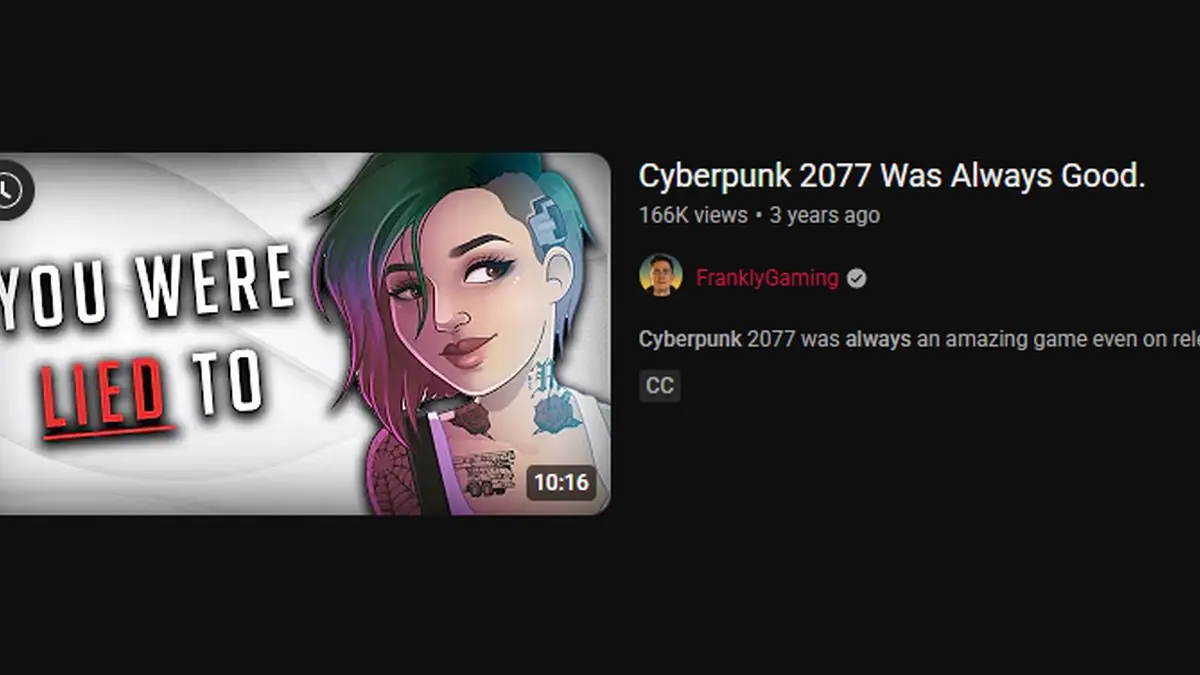
Something strange is happening in gaming’s collective consciousness. Games that were universally panned just years ago are getting makeovers. Not technical patches or content updates. Narrative makeovers.
YouTubers are quietly rewriting the stories we tell about some of gaming’s biggest disappointments. Cyberpunk 2077 and Starfield are leading this strange resurrection tour.
The pattern is subtle but unmistakable. Content creators who once ripped these games apart now present them as misunderstood gems. They downplay the broken promises. They skip past the technical disasters. They focus on what works now.
It’s gaming revisionism in real time. And it’s accelerating faster than anyone expected.
The Receipts Don’t Lie
Not everyone is buying into this narrative shift. Some observers are calling out the pattern directly.
“The timeline is accelerating, we now have Cyberpunk 2077 revisionism where YouTubers pretend like the game wasn’t universally trashed on release for being a broken & unplayable mess. I’m already seeing Starfield revisionism as well.” – @revenant_MMXX
This tweet captures something important. It’s not just selective memory. It’s active revision of recent gaming history.
Cyberpunk 2077 wasn’t just disappointing. It was a cultural moment. PlayStation pulled it from their digital store. CD Projekt’s stock crashed. Gamers demanded refunds en masse. The game’s console versions were borderline unplayable.
Those weren’t opinions. Those were facts.
The Starfield Effect
Starfield tells a different but parallel story. Bethesda‘s space epic didn’t crash and burn like Cyberpunk. It just… existed. Mediocrely.
The game launched to lukewarm reviews and player apathy. It felt hollow compared to Bethesda’s previous worlds. The exploration felt procedural and lifeless. The story struggled to find its identity.
But now? YouTubers are discovering its “hidden depth.” They’re praising its “ambitious scope.” They’re finding beauty in systems that felt repetitive months ago.
The rehabilitation is happening in real time. Each video essay builds on the last. Each positive take gets amplified. The negative consensus starts to crack.
Why We Forget
This isn’t just about gaming. It’s about how we process collective disappointment. Stories need redemption arcs. Narratives demand second acts.
Cyberpunk 2077 got its second act through updates and DLC. The game that exists today is genuinely better than what launched in 2020. But that doesn’t erase the original sin. It doesn’t make the broken promises disappear.
Yet somehow, it kind of does.
Content creators need fresh angles. “This game is still bad” doesn’t get clicks forever. “Actually, this misunderstood game is secretly great” hits different. It feels contrarian and smart.
The audience plays along. We want to believe in redemption stories. We want our investments to mean something. If we spent sixty dollars on Cyberpunk, we want it to be worth something.
Time also softens edges. Launch day trauma fades. Technical problems get patched. What remains are the moments that worked.
The Cultural Reset
This revisionism reveals something deeper about gaming culture. We don’t just consume games. We consume narratives about games.
Those narratives shape value. They influence purchasing decisions. They determine which games get second chances and which ones stay buried.
But they’re also fragile. A few influential YouTubers can shift entire conversations. Algorithmic amplification can turn contrarian takes into consensus opinions.
The original launch experiences become footnotes. The current experience becomes the “real” story. History gets rewritten by whoever controls the narrative.
This has implications beyond individual games. If we can’t maintain honest assessments of recent releases, how do we learn from industry mistakes? How do we hold developers accountable for overpromises?
What Comes Next
The revisionism train won’t stop with Cyberpunk and Starfield. Other “failed” games are probably next in line for rehabilitation.
Maybe Anthem will get its moment. Maybe Marvel’s Avengers will find defenders. Maybe No Man’s Sky’s journey from disaster to darling will inspire more comeback stories.
The pattern is set. Games launch broken or disappointing. Time passes. Updates arrive. YouTubers discover “hidden greatness.” The cycle repeats.
For players, this creates a weird dynamic. Do you trust launch reviews? Do you wait for the “revisionist” takes? Do you form your own opinions and ignore the discourse entirely?
The answer probably depends on how much you value your time and money. Some games genuinely improve over time. Others just get better marketing.
Learning to tell the difference might be gaming’s most important skill in 2026. Because if the revisionists are right, maybe we’re all just too harsh on day one. But if they’re wrong, we’re letting the industry off the hook for broken promises.
Either way, the stories we tell about games matter more than we think. They shape not just our memories, but our future expectations. Choose your narratives carefully.