
Blizzard Entertainment sets the stage for Diablo IV’s most significant content drop yet. The Lord of Hatred expansion launches April 28th, marking exactly six days from now for players eager to dive back into Sanctuary’s darkest corners.
This isn’t just another seasonal update. The expansion fundamentally reshapes how players experience Diablo IV’s endgame, while introducing two entirely new classes that promise to shake up established meta builds. Meanwhile, the story picks up where the base game left off, with Mephisto taking center stage as the primary antagonist.
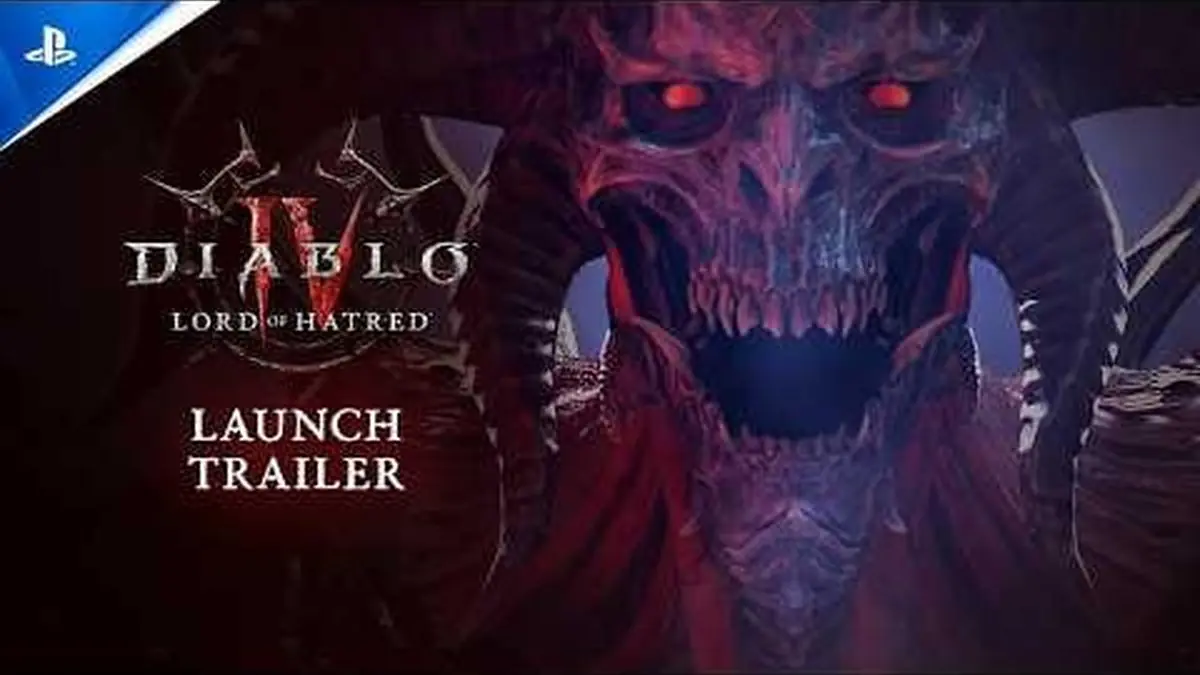
“Diablo IV: Lord of Hatred – Launch Trailer | PS5 & PS4 Games The hour of reckoning approaches. Finish the fight against Mephisto, master the new Paladin and Warlock classes, discover major skill tree updates, and explore an overhauled end game when Diablo IV: Lord of Hatred expansion arrives on April 28th.” – r/PS5
The Paladin returns to the Diablo universe after being notably absent from the base game’s class roster. This classic holy warrior archetype has been a franchise staple since Diablo II, combining defensive capabilities with righteous damage output. The Warlock, however, represents something entirely new for the series – a dark magic specialist that appears to blur traditional boundaries between damage dealers and support roles.
Blizzard’s approach here reflects broader industry trends toward post-launch content that fundamentally expands rather than simply extends existing gameplay systems. The skill tree overhaul suggests the developer learned from player feedback about build diversity limitations in the base game. Meanwhile, the endgame restructure addresses one of the most persistent criticisms since launch – that high-level content felt repetitive and unrewarding.
The timing proves particularly strategic. Launching just before the spring gaming season’s peak, Lord of Hatred positions itself to capture both returning players and newcomers drawn by the expansion’s substantial content additions. This follows the playbook established by successful live-service expansions like Destiny 2‘s major releases, which consistently demonstrate that meaningful content drops can revitalize player engagement more effectively than incremental updates.
Mephisto’s prominence as the central antagonist carries significant narrative weight for longtime franchise fans. As one of the three Prime Evils alongside Diablo and Baal, Mephisto represents the Lord of Hatred himself – fitting given the expansion’s title. His inclusion suggests Blizzard is diving deeper into the franchise’s core mythology rather than introducing entirely new threats.
The PlayStation-exclusive marketing push in early promotional materials indicates Sony‘s continued investment in securing premium content partnerships. However, the expansion will undoubtedly arrive across all platforms, as Diablo IV’s cross-platform approach has been central to its commercial success since launch.
From a development perspective, the scale of changes described – new classes, skill tree overhauls, endgame restructuring – represents months of significant engineering work. This level of investment typically signals a publisher’s confidence in a title’s long-term viability. Notably, it also suggests Blizzard learned from the mixed reception of Diablo IV’s seasonal content model, which many players found insufficient to maintain engagement between major updates.
The expansion’s April 28th launch date strategically avoids direct competition with major spring releases while capitalizing on the post-Easter gaming surge. This calculated timing reflects industry wisdom about content release windows, particularly for live-service titles that depend on sustained player engagement rather than initial sales spikes.
Player expectations run particularly high given Diablo IV’s rocky post-launch period. The base game’s initial success gave way to criticism about endgame content depth and class balance issues. Lord of Hatred appears designed to address these fundamental concerns rather than simply adding surface-level content.
The emphasis on “finishing the fight” against Mephisto suggests narrative closure that could set up future content directions. Meanwhile, the new classes provide immediate gameplay variety that should appeal to both veterans seeking fresh experiences and newcomers looking for accessible entry points.
As April 28th approaches, Lord of Hatred represents more than just another expansion – it’s Blizzard’s opportunity to demonstrate that Diablo IV can evolve beyond its initial limitations. The success or failure of this content drop will likely influence the franchise’s development trajectory for years to come, making next week’s launch particularly significant for both players and the broader action RPG genre.