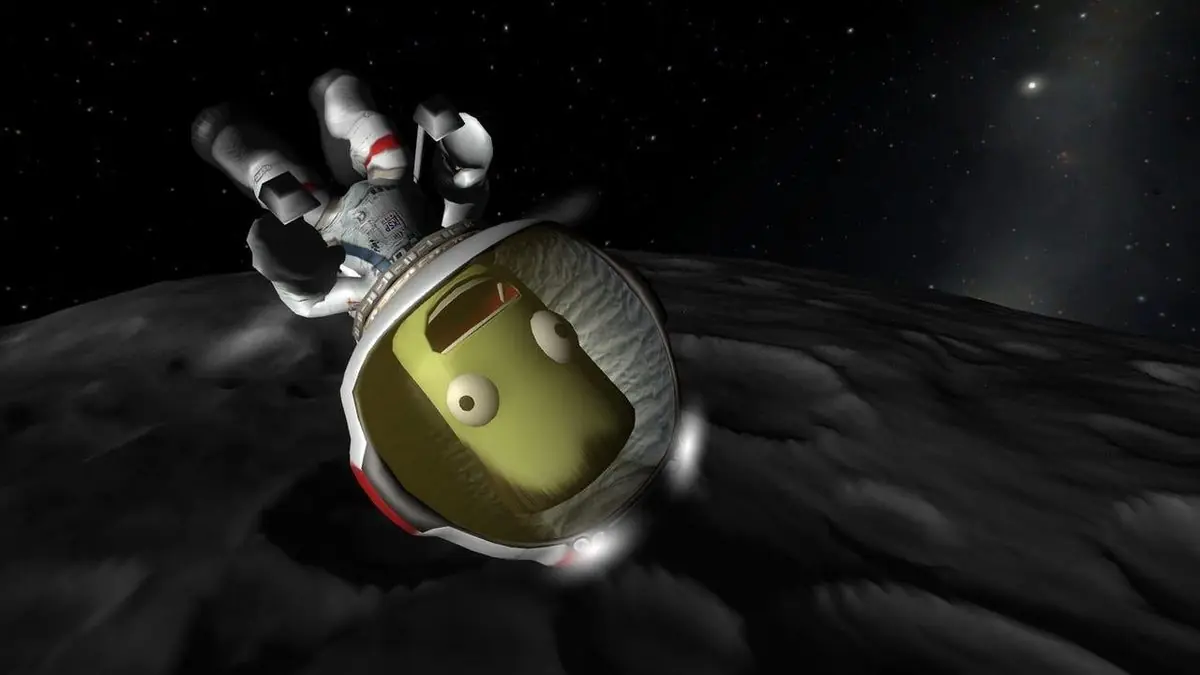
An 11-year-old space simulation game is finding new life thanks to humanity’s renewed push toward the moon. Kerbal Space Program, Squad’s beloved rocket-building simulator, is experiencing a notable uptick in player interest as the upcoming Artemis II mission captures imaginations worldwide.
The connection between real space exploration and virtual experimentation isn’t accidental. When major space missions make headlines, curious minds naturally gravitate toward games that let them experience the challenges firsthand. KSP, with its mix of realistic orbital mechanics and charming green astronauts, has long served as an accessible gateway to understanding spaceflight.
“‘Dad, This Makes Me Want to Play KSP!’ – 11-Year-Old Kerbal Space Program Gets Player Boost Amid Artemis II’s Mission to the Moon” – u/RenatsMC on r/pcgaming
This sentiment reflects a broader pattern in the gaming community. When SpaceX achieved its first crewed Dragon launch in 2020, similar spikes occurred across space simulation titles. Meanwhile, NASA’s Mars helicopter missions drove interest in exploration games featuring aerial vehicles and planetary surveying.
The timing couldn’t be better for Squad’s aging but enduring creation. While KSP2 has struggled with technical issues and mixed reception, the original game continues to demonstrate why solid gameplay mechanics age better than flashy graphics. Its educational value remains unmatched in the space simulation genre.
Notably, this resurgence highlights how real-world achievements can breathe new life into older titles. The game’s modding community has kept it fresh over the years, but nothing drives organic discovery quite like genuine excitement about space exploration. Parents seeking educational entertainment for curious children often land on KSP as a natural choice.
The phenomenon extends beyond just KSP. Space Engineers, Elite Dangerous, and even city builders like Surviving Mars tend to see player increases during major space news cycles. However, KSP’s unique position as both simulator and sandbox makes it particularly appealing to newcomers inspired by real missions.
What makes this surge especially interesting is its timing within the broader gaming landscape. While many studios chase live-service models and constant content updates, KSP proves that well-designed core mechanics can sustain player interest across more than a decade. The game’s physics-based challenges remain as engaging today as they were in 2015.
Meanwhile, the educational gaming sector continues to evolve. Schools increasingly recognize games like KSP as valuable teaching tools for physics and engineering concepts. This institutional adoption provides a steady foundation beneath periodic viral moments driven by space news.
The Artemis program’s broader cultural impact can’t be understated. Unlike previous space initiatives that felt distant from daily life, Artemis explicitly aims to establish sustainable lunar presence. This long-term vision naturally aligns with KSP’s emphasis on building robust, reusable spacecraft systems.
For Squad, this unexpected renaissance validates their original vision of making spaceflight accessible through play. The studio has remained relatively quiet about their original creation while focusing on other projects, but community-driven events and mod support continue independently.
Industry analysts have long noted gaming’s relationship with current events. Military simulations spike during conflicts, racing games benefit from Formula 1 seasons, and space games thrive when rockets make headlines. KSP’s current moment exemplifies this dynamic perfectly.
Looking ahead, the Artemis II mission’s planned lunar flyby in late 2025 will likely sustain this interest. As the first crewed lunar mission since Apollo 17, it represents a generational moment that could inspire lasting engagement with space-themed gaming.
The broader implications for educational gaming are significant. When children specifically request games that teach complex scientific concepts, it demonstrates entertainment’s power as a learning platform. KSP’s blend of trial-and-error experimentation with real physics creates an ideal environment for understanding spaceflight fundamentals.
This revival also suggests that gaming preservation efforts matter more than industry cynics might assume. While publishers often abandon older titles for newer projects, community enthusiasm and real-world relevance can resurrect seemingly dormant properties. KSP’s enduring appeal proves that great game design transcends technological limitations.
As humanity prepares for its return to lunar exploration, expect more children to discover the joys and frustrations of orbital mechanics through Jebediah Kerman’s mishaps. Sometimes the best marketing campaign is simply humanity reaching for the stars again.