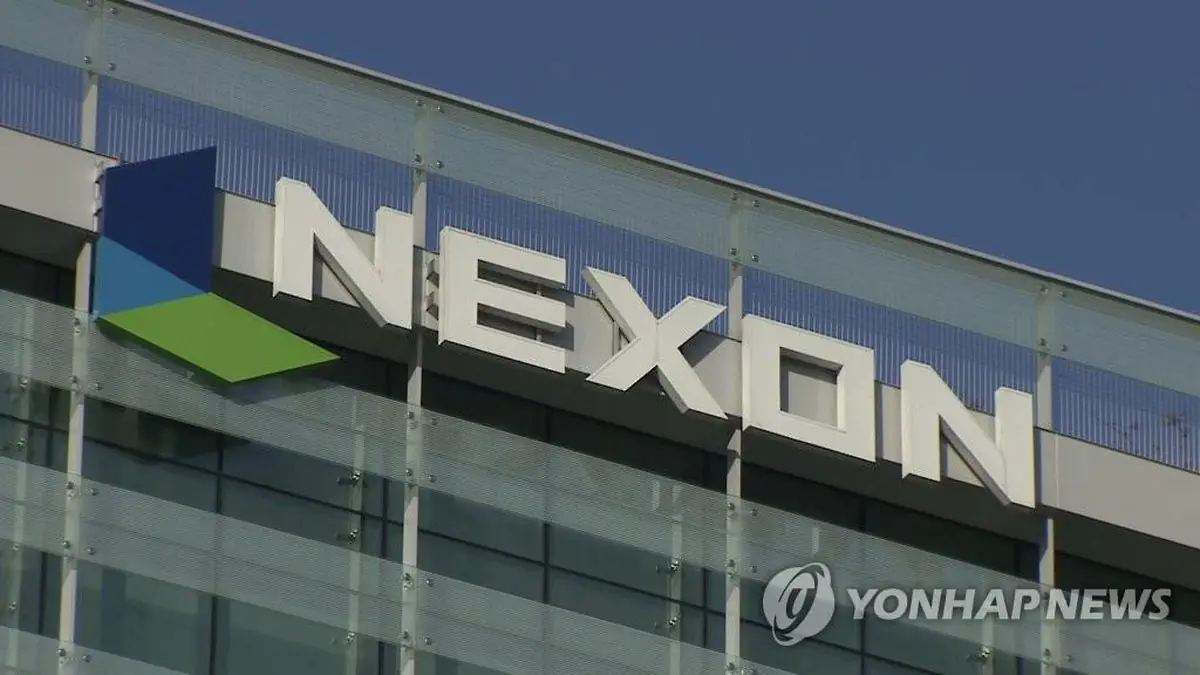
The gavel has finally fallen on one of gaming’s most dramatic legal sagas. Korea’s Supreme Court has delivered its verdict in the long-running battle between Nexon and IronMace, the indie studio behind the dark fantasy extraction shooter Dark and Darker. The ruling? IronMace must pay Nexon a staggering 5.7 billion Korean won – roughly $4.3 million – for trade secret infringement.
This isn’t just another corporate lawsuit. It’s the climax of a story that reads like a corporate thriller, complete with alleged betrayal, stolen secrets, and a scrappy indie team taking on one of Korea’s gaming giants. The Supreme Court’s decision marks the final chapter in a legal drama that has captivated the gaming community for years.
“Korea Supreme Court verdict over Dark and Darker is out, IronMace to pay Nexon KRW 5.7 billion” – u/tocco13 on r/gaming
The court’s ruling tells a complex tale. While IronMace was found guilty of trade secret infringement, the Supreme Court rejected Nexon’s claims of copyright violation. This distinction matters more than it might seem at first glance. Trade secrets involve confidential business information – think internal development processes, unreleased game concepts, or proprietary technology. Copyright, on the other hand, covers the actual creative expression in games.
The story behind this lawsuit goes back to IronMace’s origins. Several key developers at the studio previously worked at Nexon, where they allegedly had access to an unreleased project that bore striking similarities to what would eventually become Dark and Darker. Nexon claimed these former employees took confidential information when they left to start their own company.
For Dark and Darker fans, this legal battle has been a rollercoaster. The game itself became something of a legend during the court proceedings. Players fell in love with its unique blend of medieval fantasy and extraction shooter mechanics, where teams of adventurers delve into dangerous dungeons seeking treasure while fighting both monsters and other players. The constant legal uncertainty only added to its mystique.
The timing of this verdict couldn’t be more significant for the broader gaming industry. We’re living through an era where talent mobility is at an all-time high, with developers frequently jumping between studios. This ruling sets a important precedent for what constitutes actionable trade secret theft versus normal industry knowledge transfer.
What makes this case particularly fascinating from a storytelling perspective is how it mirrors the themes of Dark and Darker itself. The game is about treasure hunters venturing into treacherous territory, never knowing if they’ll emerge with riches or lose everything. IronMace’s real-world journey has followed a remarkably similar arc – they took enormous risks, achieved unexpected success, but ultimately had to pay a heavy price for their choices.
The $4.3 million judgment represents a substantial hit for an indie studio. For context, that’s likely several times IronMace’s annual revenue, depending on Dark and Darker’s commercial performance. It’s the kind of financial blow that could reshape a small company’s entire future, potentially affecting everything from ongoing development to planned expansions.
Yet there’s a silver lining in this dark tale. The Supreme Court’s rejection of copyright infringement claims suggests that Dark and Darker itself – the actual game that players know and love – isn’t considered a direct copy of Nexon’s work. The trade secret violation appears to relate more to development processes or early concepts rather than the finished product.
This distinction could prove crucial for the game’s future. Copyright infringement might have forced major changes to Dark and Darker’s core gameplay or even prevented its continued distribution. Trade secret violations, while expensive, don’t necessarily impact the game itself.
The verdict also highlights the complex relationship between innovation and inspiration in game development. Where does legitimate influence end and improper use of confidential information begin? This case won’t definitively answer that question, but it provides valuable guidance for an industry where the line between inspiration and infringement often feels frustratingly blurry.
Looking ahead, IronMace faces some serious financial challenges. Paying $4.3 million will require careful resource management and might delay planned updates or new projects. However, the studio has shown remarkable resilience throughout this legal ordeal. They’ve continued developing and supporting Dark and Darker even while facing this massive uncertainty.
The gaming community will be watching closely to see how this affects Dark and Darker’s development roadmap. Will IronMace need to scale back their ambitions? Seek additional funding? Or have they already prepared for this outcome?
One thing seems certain – this Supreme Court ruling marks the end of a chapter, not the end of the story. Dark and Darker has proven its appeal to players, and IronMace has demonstrated their commitment to the project. The question now isn’t whether they’ll survive this setback, but how they’ll adapt their narrative going forward.
In the world of game development, as in Dark and Darker’s treacherous dungeons, sometimes the greatest treasures come with the highest risks. IronMace took their shot at glory and succeeded in creating something special, even if victory came with an unexpectedly steep price.