Sometimes the smallest observations trigger the biggest conversations. A Reddit user’s five-word speculation about Slay the Spire has exploded into one of the platform’s most engaging gaming discussions this week.
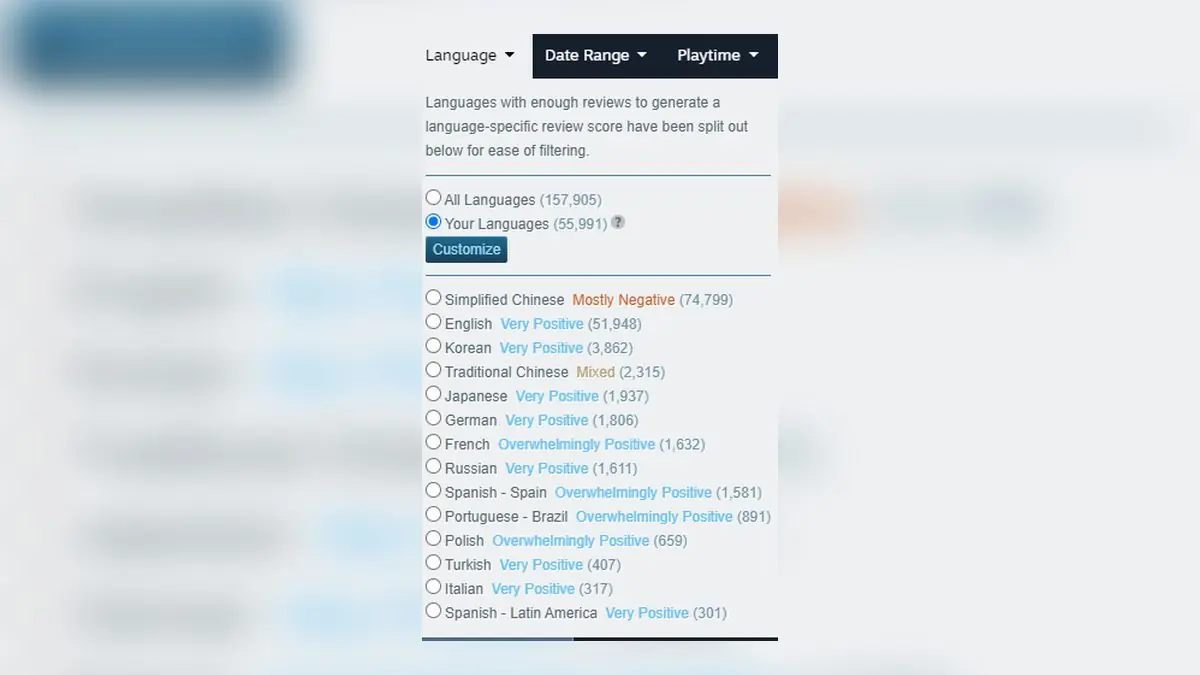
“I think China doesn’t like Slay the Spire” – u/Shuviri on r/Steam
The post racked up nearly 10,000 engagement points on r/Steam. That’s massive for what appears to be casual market speculation. The response suggests gamers are hungry for deeper conversations about how different regions experience their favorite titles.
Meanwhile, the choice of Slay the Spire as the focal point is telling. MegaCrit’s deck-building roguelike has maintained steady popularity since 2019. It’s not a blockbuster AAA title or controversial game. That makes the community’s intense reaction even more interesting.
The viral post taps into something bigger than one game’s regional performance. Gaming communities are increasingly aware of how cultural preferences shape what succeeds where. What works in Western markets doesn’t automatically translate globally.
Notably, this discussion arrives as the gaming industry grapples with complex regional dynamics. Publishers regularly adjust content for different markets. Some games never launch in certain regions at all. Others face unexpected barriers despite seeming universal appeal.
The card game genre presents particular regional challenges. Strategy games often reflect cultural approaches to problem-solving and risk management. Slay the Spire’s roguelike elements add another layer. Permadeath mechanics don’t resonate equally across all gaming cultures.
Meanwhile, the Chinese gaming market has its own unique characteristics. Mobile gaming dominates there more than anywhere else. PC card games face different competitive pressures than in North America or Europe. Local preferences favor different art styles and gameplay loops.
The Reddit community’s response suggests players understand these nuances better than industry executives often assume. Gamers live in a global ecosystem. They see which titles trend where. They notice regional differences in streaming numbers and community engagement.
This awareness creates interesting dynamics. Western players increasingly question why certain games succeed or fail in specific markets. They’re curious about cultural factors beyond simple preference differences.
The Slay the Spire discussion also highlights how regional gaming conversations generate engagement. Players want to understand global gaming trends. They’re invested in seeing their favorite titles succeed worldwide.
Notably, the original post’s simplicity contributed to its virality. Complex market analysis often gets ignored. A short, declarative statement invites response and debate. It’s easier to engage with than lengthy industry reports.
The gaming community’s analytical sophistication continues growing. Players track sales data and concurrent player counts. They notice regional review patterns and streaming popularity differences. This grassroots market analysis rivals professional industry research.
Meanwhile, developers increasingly consider regional reception during development. Early access periods reveal which mechanics resonate where. Community feedback shapes post-launch content strategies. Player discussions like this Reddit thread provide valuable market intelligence.
The conversation also reflects broader gaming globalization trends. Players expect simultaneous worldwide releases. They want equal access to content and features. Regional restrictions or delays generate community frustration and speculation.
This dynamic creates pressure on publishers to better explain regional decisions. When games perform differently across markets, communities demand transparency about why. Simple speculation can spiral into major discussions without proper context.
The Slay the Spire debate will likely continue as more players weigh in with regional gaming experiences. These conversations help the community understand global market complexities while holding the industry accountable for regional accessibility.
Whatever the actual reasons behind regional performance differences, the discussion proves gaming communities are ready for sophisticated market conversations. They want to understand not just what games they can play, but why certain titles succeed or struggle in different parts of the world.