
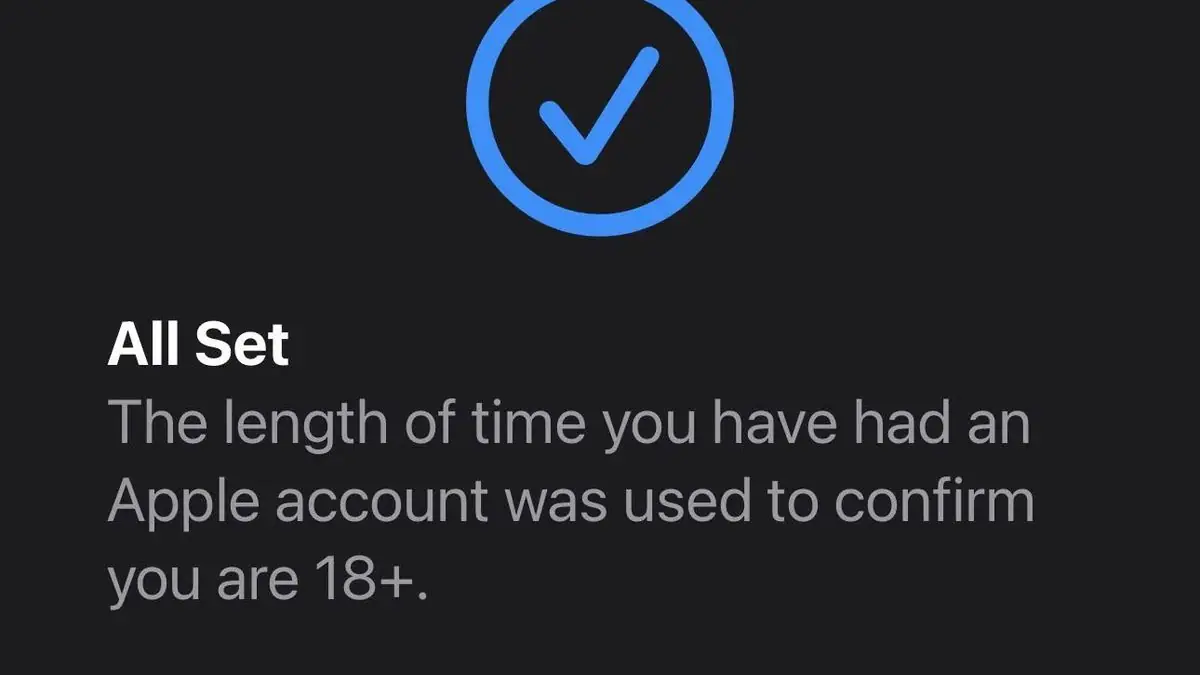
Steam‘s age verification system is catching heat from users who feel like they’re being treated like kids – even when they’ve been gaming on the platform for decades.
The frustration is real and it’s growing. Players are discovering that Steam’s age verification requirements don’t care how old your account is or how long you’ve been buying games. Switch your payment method from a credit card to a debit card? Get ready to prove your age all over again.
One Steam user recently voiced their annoyance on Reddit:
“Take note, Valve” – u/buster2006 on r/Steam
The post highlights a particularly absurd situation. This user has a 21-year-old Steam account. That means they’ve been on the platform since 2005. But when they tried switching from a credit card to a debit card, Steam demanded age verification again.
It’s not just about the inconvenience. It’s about the principle. Why should a platform that you’ve used for two decades suddenly question whether you’re old enough to buy games?
The current system feels broken. Steam requires credit card information to verify age, but what happens when you want to use a different payment method? The platform treats debit cards differently than credit cards for verification purposes. This creates a weird scenario where your preferred payment method determines how much hassle you face.
The user suggested a smart solution. Why not allow credit cards as secondary payment methods specifically for age verification? You could keep your debit card as your primary payment method while using a credit card just to satisfy Valve‘s age requirements. It’s a reasonable compromise that would solve the problem without forcing users to jump through hoops every time they update their payment info.
This issue reveals a bigger problem with how digital platforms handle age verification. Steam’s approach feels outdated in 2026. We live in an era where phones have built-in age verification systems. Your device already knows how old you are. Banking apps verify your identity in seconds. Yet Steam still relies on credit card information like it’s 2010.
The gaming industry has evolved tremendously over the past two decades. Steam itself has grown from a simple game launcher into a massive digital ecosystem. But some of its policies feel stuck in the past. Long-time users who’ve grown up with the platform deserve better treatment.
This isn’t just about convenience – it’s about respect for your community. When someone has been loyally using your platform for 21 years, treating them like a potential underage user sends the wrong message. These are the customers who’ve supported Steam through its awkward early years. They deserve streamlined experiences, not additional roadblocks.
The broader gaming community has been dealing with age verification headaches across multiple platforms. But Steam’s approach feels particularly frustrating because of how arbitrary it can seem. Account age doesn’t matter. Purchase history doesn’t matter. Only your current payment method seems to count.
Other digital platforms have found better solutions. Some use document verification that you only need to complete once. Others integrate with existing identity verification services. Steam could learn from these approaches instead of relying solely on credit card information.
The timing makes this even more annoying. We’re in an era where digital privacy is increasingly important. Many users prefer debit cards or alternative payment methods for security reasons. Forcing credit card usage for age verification creates an unnecessary barrier that pushes people toward payment methods they’d rather avoid.
Looking ahead, Valve has several options to improve this system. They could grandfather in long-standing accounts that have already proven their legitimacy. They could integrate with modern identity verification services. Or they could implement the credit-card-as-backup solution that users are already suggesting.
The ball is in Valve’s court. Steam dominates PC gaming, which means they have the power to set industry standards. They could lead by example with a more user-friendly age verification system. Or they could continue frustrating loyal customers with outdated policies.
For now, veteran Steam users will have to deal with these verification headaches. But the growing vocal frustration suggests that change might be coming. When your most loyal customers are publicly calling you out, it’s time to listen.
The solution doesn’t need to be complicated. Sometimes the best fixes are the simple ones that put user experience first.