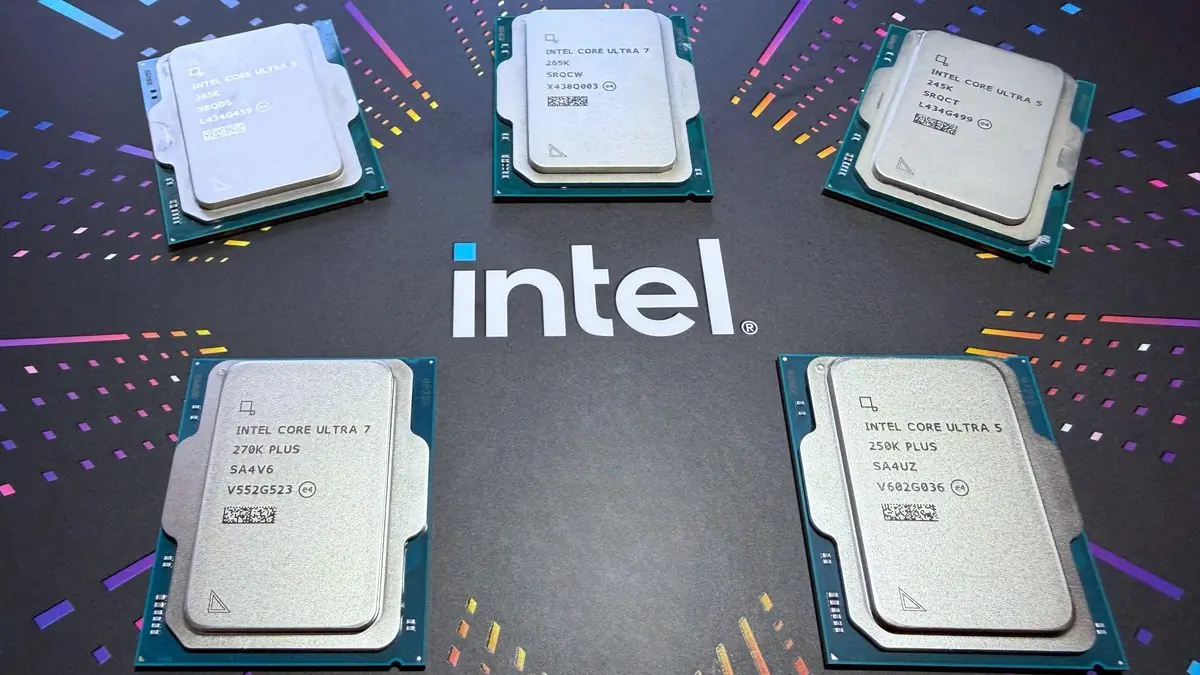
An Intel executive just dropped a statement that’s got the PC gaming community fired up. The company’s Enthusiast VP claims we hardcore PC enthusiasts are seriously underestimating how important software is to our gaming experience.
The comment has sparked one of those debates that cuts right to the heart of what we value as PC gamers. Are we too focused on specs and benchmarks? Or is Intel missing the point about what actually matters to us?
The statement landed on Reddit‘s r/pcgaming community like a bomb. The thread quickly filled with passionate responses from users who weren’t buying Intel’s take on our priorities.
“Hardcore PC enthusiasts are significantly underestimating the importance of software to the PC experience” – u/Darth_Vaper883 on r/pcgaming
Many in our community pushed back hard against this characterization. PC enthusiasts have been dealing with poorly optimized games for years. We’ve watched amazing hardware get held back by lazy ports and buggy launches.
The frustration is real. We spend hundreds or thousands on graphics cards. Then we boot up a new game only to find it runs worse than titles from five years ago. That’s not because we don’t understand software matters.
It’s because we’ve learned that great hardware can’t fix fundamental software problems. But great software absolutely needs solid hardware to run properly.
This debate touches on something deeper about the PC gaming ecosystem right now. Publishers keep pushing out games that barely run on day one. Meanwhile companies like Intel want to shift focus away from the hardware arms race.
But here’s the thing – we’re not actually underestimating software. We’re just tired of being told hardware doesn’t matter when our experience says otherwise. Every PC gamer has horror stories about games that should run fine but don’t.
We’ve seen what happens when developers assume everyone has the latest hardware. We’ve also seen what happens when they target the lowest common denominator. Neither approach really works.
The sweet spot is when developers understand both sides of the equation. They need to know what hardware can do. They also need to write code that actually uses that hardware well.
Intel’s position makes sense from their perspective. They want developers to use their tools better. They want software that shows off what their processors can really do. That’s totally fair.
But telling enthusiasts we don’t get it? That’s where they lost us. We absolutely understand that software matters. We just also understand that hardware limitations are real.
The PC gaming community has always been about pushing boundaries. We upgrade our rigs because we want the best possible experience. That means we need both great hardware and great software working together.
When a game like Cyberpunk 2077 launches in rough shape, we don’t blame our RTX cards. We blame the rushed development and poor optimization. When a game like Doom Eternal runs beautifully on older hardware, we celebrate the smart engineering.
This whole debate really shows how different parts of the industry see the same problems. Intel sees underutilized hardware potential. We see undercooked software releases.
Both perspectives have merit. Modern CPUs and GPUs can do incredible things when software actually uses their features properly. But that requires time and expertise that many developers either don’t have or don’t prioritize.
The solution isn’t choosing sides in some hardware versus software battle. It’s about better collaboration between all the pieces of the puzzle. Hardware makers need to make their tools easier to use. Software developers need more time to actually optimize their games.
What’s really interesting is how this conversation might shape Intel’s future strategy. Are they planning new initiatives to help developers better utilize their hardware? Will we see more direct collaboration between Intel and game studios?
The timing of this statement feels significant too. We’re heading into a new generation of games that could really push current hardware. Both sides of this debate will need to work together to deliver the experiences we’re all hoping for.
For now though, the community has made its position pretty clear. We’re not underestimating anything. We’re just holding everyone accountable for doing their part to make PC gaming as good as it can be.