Sometimes the most honest conversations about gaming happen when we’re sharing our disappointments. A simple question posted on Reddit this week has turned into a massive discussion about games that completely crushed our excitement.
The conversation started when a Steam community member asked something we’ve all thought about at some point. Their post struck a nerve with hundreds of fellow gamers who had their own stories to share.
“Which game broke your hype like this?” – u/sukuna7899 on r/Steam
The responses have been pouring in. Players are sharing detailed stories about games they waited months or even years to play. Some saved up money specifically for these titles. Others took time off work for launch day. The common thread? That crushing feeling when reality didn’t match expectations.
What makes this discussion fascinating is how it reveals patterns in gaming disappointment. Certain types of releases seem to consistently let players down. Live service games that launch with broken servers. Single-player adventures that promise 100 hours but deliver repetitive padding. Multiplayer shooters that can’t handle their own player counts.
The biggest culprits often share similar warning signs. Massive marketing campaigns that show more CGI than actual gameplay. Developers who go silent weeks before launch. Review embargoes that lift suspiciously close to release day. We’ve seen these red flags before but hope always wins over experience.
Beta tests sometimes make things worse instead of better. Players get excited about potential they see in early builds. Then the final version removes features or changes core mechanics. That beta excitement becomes launch disappointment when promises don’t materialize.
Some genres seem more prone to this cycle than others. Open world games often promise revolutionary freedom but deliver familiar fetch quests. Battle royale titles claim to revolutionize the formula but end up feeling generic. Racing games show stunning visuals in trailers that look nothing like actual gameplay.
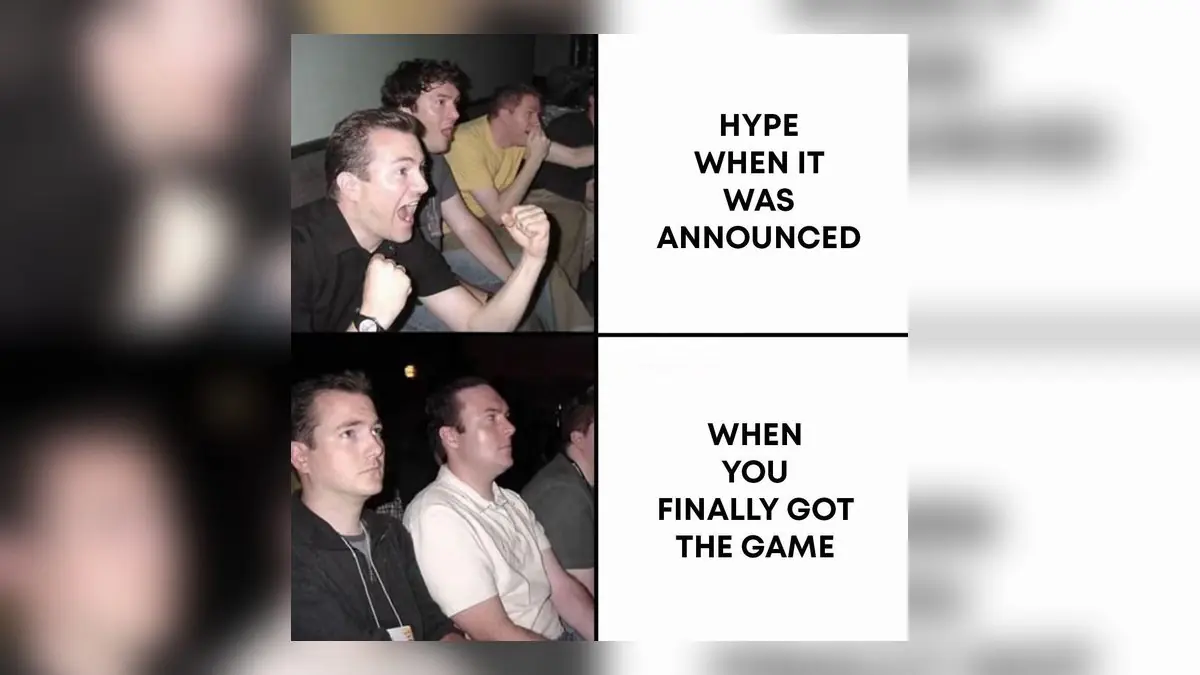
The discussion reveals something deeper about our relationship with gaming hype. We want to believe in the next great experience. Marketing teams know this and craft campaigns that tap into our hopes rather than showcase actual features. The gap between aspiration and reality keeps growing wider.
Social media amplifies both the hype and the eventual disappointment. Influencers build excitement for games they haven’t fully played. Twitter threads dissect every trailer frame looking for hidden meanings. Reddit communities speculate about features that may not even exist. By launch day our expectations have been inflated beyond any reasonable level.
Developers face impossible pressure in this environment. Publishers demand games ship on specific dates regardless of readiness. Marketing departments create campaigns before features are finalized. Community managers make promises that development teams can’t keep. The whole system seems designed to create disappointment.
Patient gamers often avoid this cycle entirely. They wait for reviews. They watch actual gameplay footage. They let the initial excitement die down before making purchase decisions. This approach misses some of the fun of shared anticipation but also avoids the crushing letdowns.
The most interesting responses in the Reddit thread come from players who learned to manage their expectations. They describe techniques for staying excited while remaining realistic. Some avoid all marketing materials after announcing trailers. Others only follow developers with proven track records.
Community reactions to disappointing launches have become entertainment in their own right. Memes about broken promises spread faster than positive reviews. Disappointed players create detailed breakdowns of missing features. Sometimes the community response generates more engagement than the actual game.
This cycle affects how we approach future releases. Once a developer or publisher burns our trust it’s incredibly hard to rebuild. Players remember No Man’s Sky’s launch more than its eventual improvements. Cyberpunk 2077‘s problems overshadow its strengths. First impressions matter enormously in gaming.
The discussion also highlights how gaming culture has changed. We used to discover games through magazines and word of mouth. Now we live through development cycles in real time. This constant exposure creates unrealistic intimacy with projects that are still taking shape.
Some disappointments become success stories over time. Games that launched broken get fixed through updates. Missing features get added through DLC. Patient communities stick with titles that improve significantly post-launch. But that initial disappointment still stings even when games eventually deliver.
The Reddit conversation continues growing as more players share their stories. Each response adds another data point about how hype cycles work in modern gaming. We keep falling for the same patterns because hope is stronger than experience.
Maybe that’s not entirely bad. Gaming needs dreamers and believers to push boundaries. The challenge is finding balance between healthy excitement and unrealistic expectations. The community discussion happening right now might help us all get a little better at that balance.