Remember being a kid and seeing that perfect game trailer? You know the one. It showed exactly what you’d been dreaming about, and you ran to your parents asking “When can I play it?” only to hear those crushing words: “Not for a few years, honey.”
Well, guess what? That childhood heartbreak has become the gaming industry standard. And fans are getting pretty tired of it.
One frustrated gamer recently put it perfectly on Reddit, capturing what so many of us feel but struggle to put into words:
“I hate this practice in the industry where games that don’t even actually exist yet or are in a very early stage of production are announced with trailers or teasers and then you dont hear anything about them for years and years, one of the most infamous examples that come to mind for me are the remake for Star Wars: Knights of the Old Republic and Star Wars Eclipse.” – u/Evening_Boot_2281 on r/gaming
They nailed it. These aren’t just any games either. We’re talking about Star Wars here. The franchise that connects grandparents with their grandkids over epic space adventures.
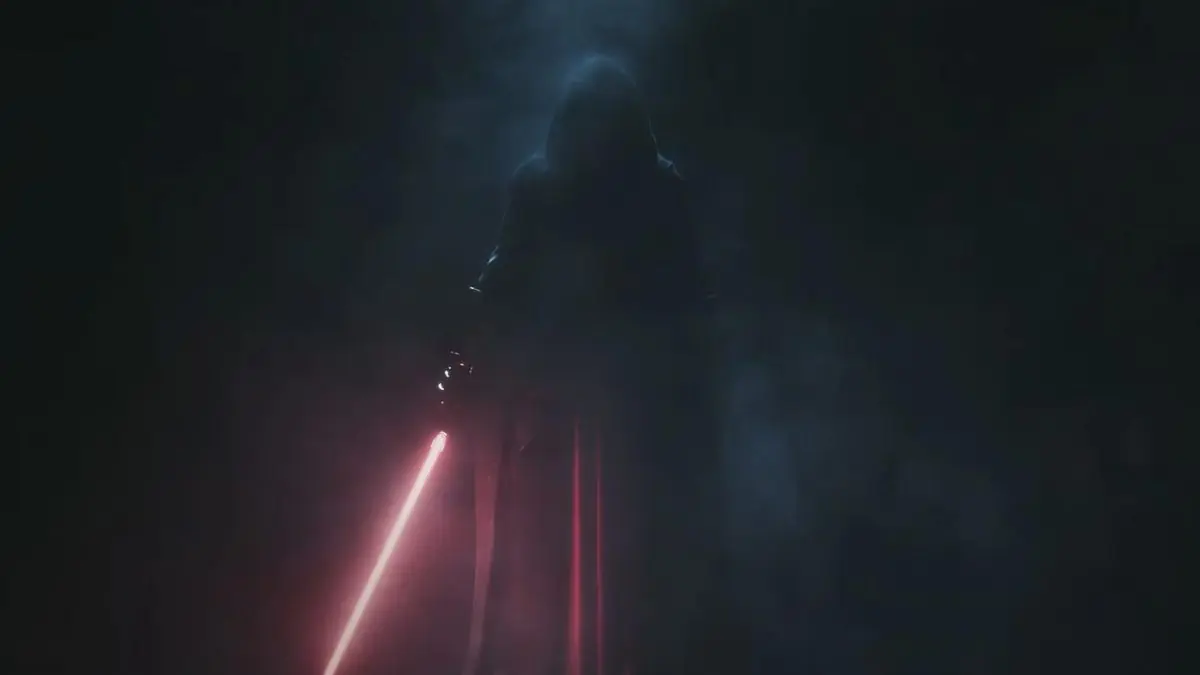
The Knights of the Old Republic remake got announced and sent waves of excitement through the gaming world. Parents who played the original were already planning family gaming sessions. Kids were getting ready to experience one of the greatest RPGs ever made. Then? Radio silence.
Star Wars Eclipse hit us the same way. Quantic Dream showed off that gorgeous trailer, and we all started dreaming about those cinematic Star Wars moments we could share with the people we love. But here we are, still dreaming and waiting.
It’s like getting a Christmas present in July and being told you can’t open it until next Christmas. Maybe the one after that.
The thing is, this isn’t just about impatience. It’s about the special kind of magic that happens when a family gets excited about something together. When your teenager actually wants to hang out and play a game with you. When your little brother stops asking “Are we there yet?” because he’s too busy talking about the game you’re both waiting for.
These early announcements create this beautiful shared anticipation. But then years pass. Your teenager moves away for college. Your little brother discovers other interests. That perfect moment you were all waiting for? It never comes, because by the time the game actually releases, life has moved on.
So why do studios keep doing this to us? It’s not because they’re mean. It’s because the gaming industry runs on hype cycles and investor interest. Publishers need to show they have exciting projects in the pipeline. They need to generate buzz at conventions and keep their stock prices happy.
Plus, competition is fierce. If Studio A announces their amazing Star Wars game, Studio B feels pressured to announce theirs too, even if it’s barely past the concept art phase.
Developers are caught in the middle. They know their games aren’t ready for prime time, but marketing departments and business executives make the calls about when to reveal projects.
It’s a system that serves corporate interests but forgets about the real people waiting at home. The families planning gaming nights. The friends making promises to play together. The kids counting down days on calendars.
There’s got to be a better way. Some studios are starting to figure this out. They’re holding back announcements until games are much closer to release. They’re being more honest about timelines and development challenges.
Instead of showing us a fancy trailer for something we won’t see for four years, they could focus on the games that are actually coming soon. The ones we could be playing with our loved ones this holiday season instead of just dreaming about.
Maybe it’s time for the industry to remember that behind every pre-order and every excited social media post, there’s a real person waiting. Someone who just wants to share an amazing gaming experience with the people they care about.
And honestly? We’re worth the wait. But we’re also worth being told the truth about how long that wait will actually be.
The solution isn’t complicated. Studios could wait until games are at least 12-18 months from release before making big announcements. They could be more transparent about development timelines. They could remember that trust, once broken by years of silence, takes a long time to rebuild.
Until then, we’ll keep hoping. Keep waiting. And keep believing that someday, game announcements will mean “get excited, this is coming soon” instead of “start planning your life around a maybe.”