A single Reddit post has sparked an intriguing debate about one of gaming’s most beloved cyberpunk franchises. The proposal is simple yet controversial: reboot Shadowrun as an isometric action RPG instead of its traditional tactical format.
“Shadowrun (1993): I would love to see an isometric, action role-playing dungeon crawler reboot in the vein of Diablo or P.o.E., instead of tactical/turn-based.” – u/Dire_Hulk on r/gaming
The suggestion represents more than nostalgia. It reflects a fundamental question facing many classic RPG franchises in today’s market.
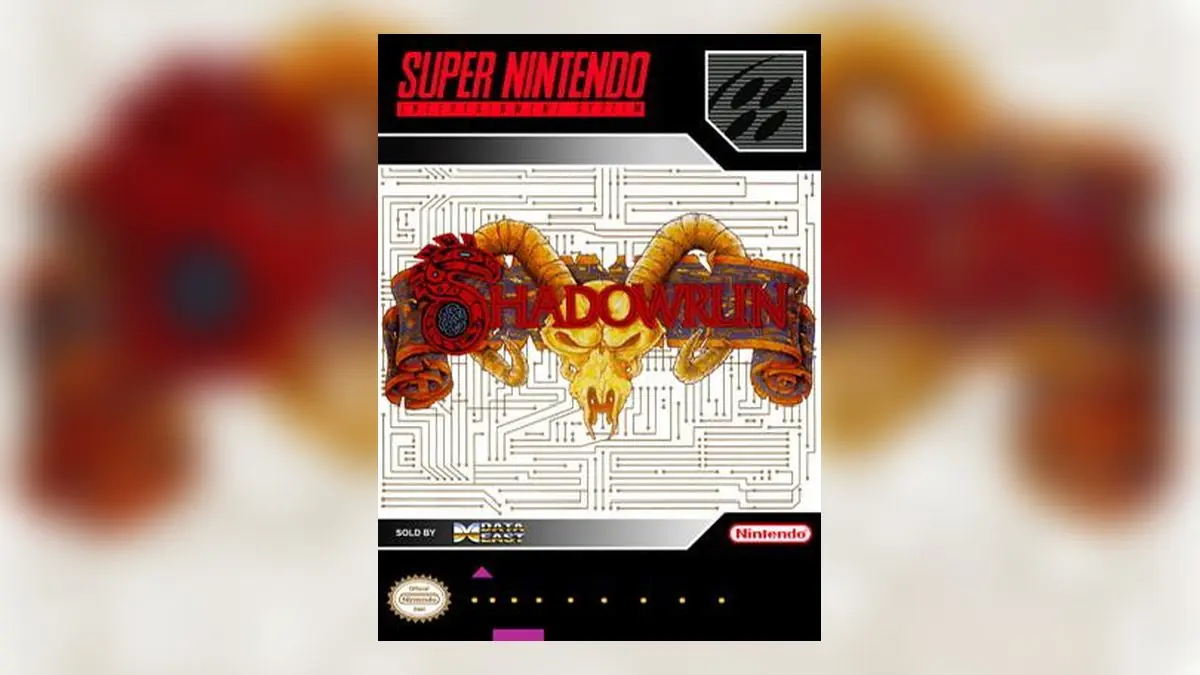
Shadowrun’s tactical roots run deep. The original 1993 SNES game pioneered cyberpunk gaming with its matrix hacking and turn-based combat. Later entries like Shadowrun Returns maintained that strategic DNA. But tactical RPGs have struggled commercially compared to their action-oriented cousins.
Meanwhile, Diablo and Path of Exile have proven the enduring appeal of isometric action RPGs. Both titles generate massive revenue through their dungeon crawling formulas. The genre’s accessibility attracts broader audiences than traditional tactical games.
Notably, Shadowrun’s world-building could translate beautifully to action RPG mechanics. Corporate megaplexes make perfect dungeon environments. Cybernetic augmentations mirror the gear progression systems that drive player engagement in Diablo. Magic and technology coexisting creates natural build diversity.
The setting’s noir atmosphere would benefit from real-time action too. Shadowrunners operate in the shadows. Quick heists and fast escapes suit action gameplay better than turn-based planning.
Several recent games prove cyberpunk works in action RPG format. Cyberpunk 2077‘s popularity demonstrated market appetite for the genre. Meanwhile, indie titles like Satellite Reign showed isometric cyberpunk can succeed.
But purists would rightfully object to abandoning Shadowrun’s tactical heritage. The franchise built its reputation on strategic depth. Turn-based combat rewards planning and positioning. These elements define what makes Shadowrun unique.
The broader industry has largely moved away from tactical RPGs though. Major publishers rarely greenlight turn-based projects outside of specific niches. Action RPGs simply reach wider audiences and generate more revenue.
This trend affects more than Shadowrun. Classic franchises like Fallout already made similar transitions. Fallout 3 abandoned the series’ turn-based roots for real-time combat. The change proved commercially successful despite fan controversy.
Other franchises face identical crossroads. XCOM successfully modernized tactical gameplay but remains niche compared to action alternatives. Divinity: Original Sin found success but required crowdfunding to exist.
Shadowrun’s current state makes the reboot question particularly relevant. The franchise has remained dormant since 2015’s Shadowrun: Hong Kong. Developer Harebrained Schemes moved on to other projects. No major publisher currently champions the IP.
This dormancy creates opportunity for reinvention. New developers could approach Shadowrun with fresh perspectives. An action RPG reboot might attract the resources needed for a major revival.
The proposal also highlights generational preferences in gaming. Younger players often prefer immediate action over strategic planning. They gravitate toward games with constant progression and visceral feedback. Turn-based combat can feel slow by comparison.
However, recent tactical RPG successes suggest the genre isn’t dead. Baldur’s Gate 3 proved turn-based games can achieve mainstream success. The key lies in presentation and accessibility rather than abandoning tactical depth entirely.
A hypothetical Shadowrun action RPG could potentially bridge both worlds. Real-time exploration with pause-and-plan combat might satisfy action and tactical preferences. Hybrid systems have worked for other franchises.
The cyberpunk setting offers unique advantages for action RPG mechanics. Hacking sequences could provide puzzle-like breaks from combat. Corporate infiltration missions offer natural dungeon variety. Multiple character archetypes support diverse playstyles.
Loot systems would fit naturally too. Cybernetic implants make perfect upgradeable equipment. Data theft missions provide currency alternatives to gold drops. Black market vendors suit the setting better than traditional fantasy merchants.
Looking ahead, Shadowrun’s future depends on finding the right balance. Pure action might alienate longtime fans. Pure tactical gameplay might limit commercial potential. The ideal approach probably lies somewhere between extremes.
Ultimately, the Reddit user’s suggestion reflects broader questions about preserving gaming heritage versus embracing evolution. Every classic franchise faces these decisions eventually. Shadowrun’s time for that choice is approaching.