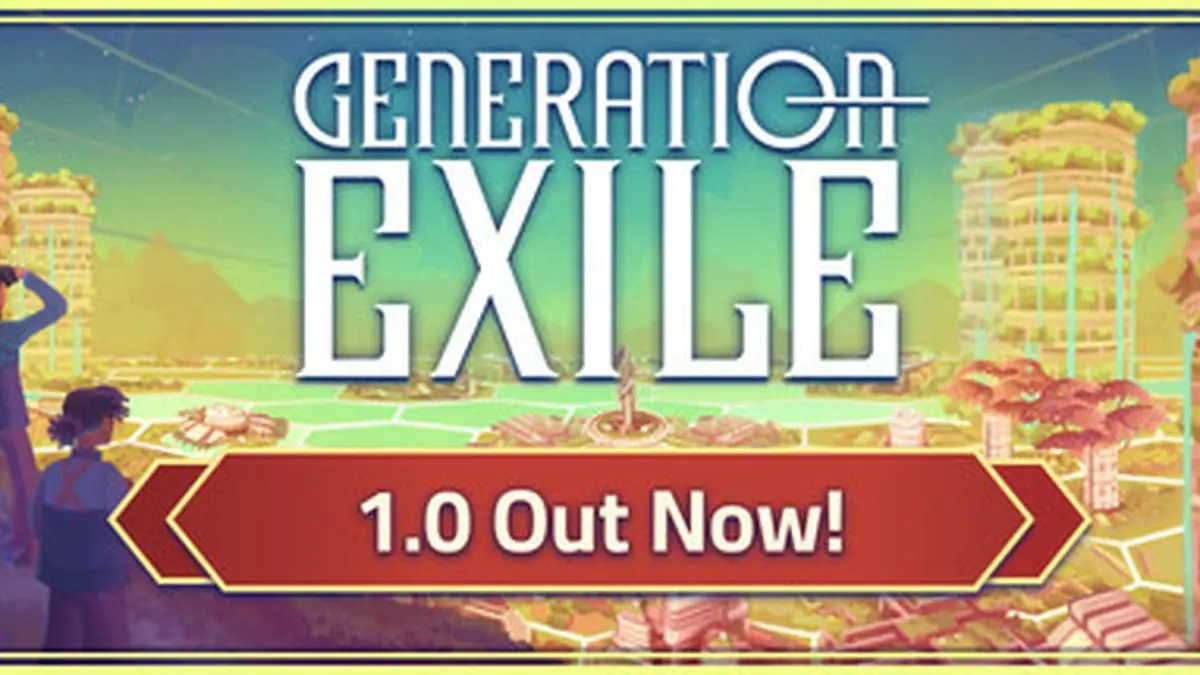
Every story needs an ending, and today Generation Exile found its perfect conclusion. Developer Sonderlust just dropped version 1.0 of their indie strategy game, marking the end of a long Early Access journey that’s been years in the making. But this isn’t just another “we fixed bugs and called it done” launch. The team saved their best narrative punch for last.
The biggest addition is the new “Planetfall” chapter, which sounds like it’s designed to test everything players have learned throughout their journey. What makes this chapter special isn’t just the gameplay challenge though. It’s how it brings the story full circle while also working as a standalone sandbox mode.
“Generation Exile’s pre-1.0 journey reaches its destination… After a focused Early Access period and a much, much longer period of development, we are proud to bring to you all the version of the game that completes our vision of it. The game has advanced a lot in the last stretch with changes too numerous to list, but among the biggest are: Final ‘Planetfall’ chapter of the game that puts all the player’s skills to the test with dynamic objects that change every playthrough.” — @Nelsormensch
The Planetfall chapter represents something deeper than just new content. In strategy games, the final chapter often becomes the place where all your earlier choices and learned systems come together. Sonderlust describes it as following the previous chapters “organically,” which suggests they’ve woven the narrative threads into a meaningful conclusion rather than just tacking on extra levels.
What’s really clever is how they’ve made this final chapter pull double duty. Players who want the full story experience can play through naturally, but those who just want to jump into the sandbox challenge can dive right in. It’s like having both a satisfying novel ending and a playground for experimenting with everything the game has to offer.
The timing of this 1.0 launch feels intentional too. Sonderlust chose to release during the 5th annual Earth Appreciation Fest, an event that celebrates games focused on nature and environmental themes. Generation Exile’s themes apparently align with this perfectly, though the developers haven’t shared much about how ecology plays into their story.
This connection to environmental storytelling makes sense when you look at indie gaming trends. More developers are using their games to explore real-world issues through interactive narratives. When players build civilizations or manage resources in strategy games, they’re essentially telling stories about how societies relate to their environment.
The Earth Appreciation Fest partnership goes beyond just thematic alignment. Sonderlust is actively supporting Cool Earth, a charity that works with local communities and Indigenous peoples on conservation efforts. According to the developers, Cool Earth was recognized as “the most cost-effective climate change charity” by analysis group Giving What We Can.
This kind of partnership shows how indie developers can use their platform for more than just entertainment. When you’re telling stories about civilizations and their relationship with resources, partnering with real-world conservation efforts adds weight to those themes.
For players who’ve been following Generation Exile through Early Access, the 1.0 launch represents the completion of a promise. Early Access can sometimes feel like paying to be a beta tester, but when developers deliver on their full vision, it validates that trust. The fact that Sonderlust added major systems improvements, new structures, and additional narrative events shows they didn’t just rush to a 1.0 label.
The removal of something called “Rubble” (which the developers seem happy to see go) suggests they weren’t afraid to cut systems that weren’t working. That’s often the mark of developers who care more about the final experience than preserving every idea they’ve had.
Generation Exile’s 35% discount during Earth Appreciation Fest runs through the event, making this a good time for strategy fans to jump in. The game seems designed for players who enjoy building and managing complex systems, but with environmental themes woven throughout.
For Sonderlust, this 1.0 launch probably feels like the end of one story and the beginning of another. Indie developers often use their first major release as a learning experience that informs everything they do next. Based on how thoughtfully they’ve approached this launch, their next chapter should be interesting to watch.