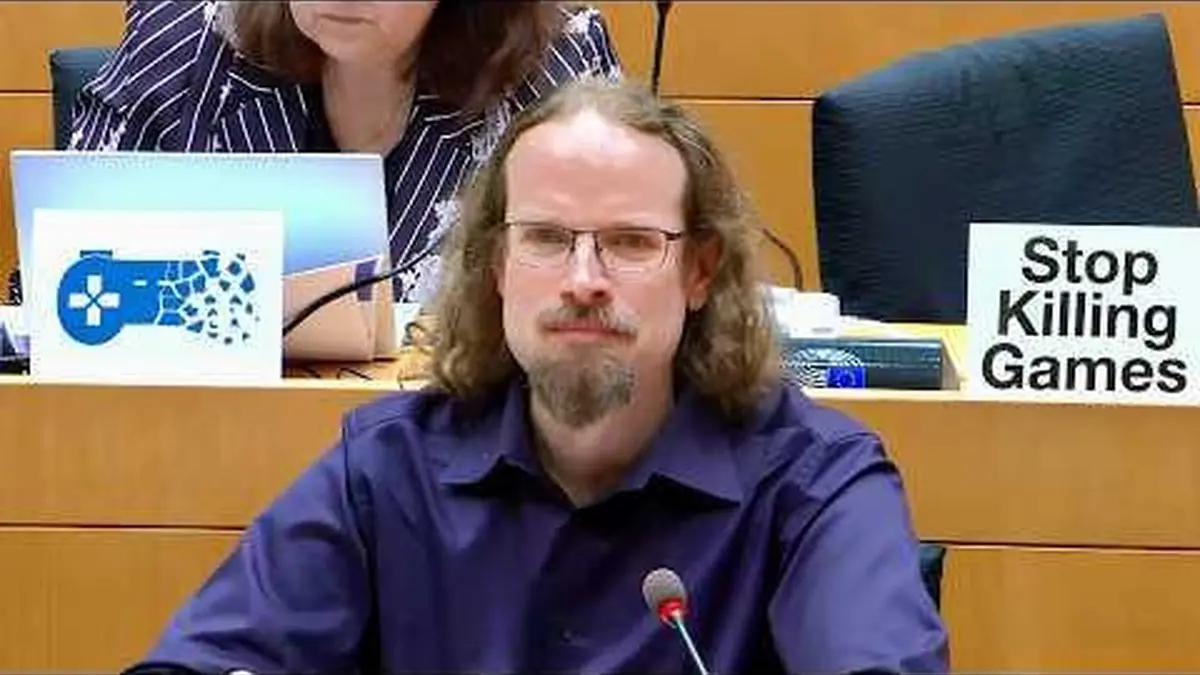
The European Parliament just fired a warning shot across the gaming industry’s bow. They held an official hearing asking one simple question: Should publishers be allowed to disable games you already bought?
This isn’t some random complaint thread. This is lawmakers with actual power taking a hard look at how the industry treats paying customers.
“Should Video Game Publishers Be Allowed to Disable Games You Bought? European Parliament Hearing” — u/PuzzleHitBit on r/PS5
The full hearing is public. No closed-door corporate handshakes here. They put it all on YouTube for anyone to watch.
This hearing represents something bigger than just European policy. It’s the first major legislative body to seriously examine what “ownership” means when you buy a digital game.
The Current Battlefield
Right now, publishers hold all the cards. Buy a game digitally? You’re not actually buying the game. You’re licensing it. That license can get revoked whenever the publisher decides to pull the plug.
It’s like buying a rifle and being told the manufacturer can remotely disable it whenever they want. Doesn’t sit right.
We’ve seen this play out repeatedly. Games get delisted. Servers shut down. Online-only titles become expensive coasters. Players who paid full price get nothing.
Why This Matters
The EU doesn’t mess around with consumer protection. When they set rules, other regions often follow. Remember GDPR? That European privacy law forced companies worldwide to change how they handle data.
This could be the same kind of watershed moment for digital ownership.
The hearing examined several key issues: What constitutes ownership in digital goods? Should there be mandatory offline modes? How long should publishers be required to support games?
These aren’t abstract legal questions. They directly impact whether the games you buy today will still work in five years.
The Industry’s Defense
Publishers will argue that maintaining servers costs money. That supporting older games indefinitely isn’t feasible. That licensing agreements with third parties make permanent access complicated.
Some of those points have merit. Running multiplayer infrastructure isn’t free. But there’s a difference between shutting down matchmaking servers and completely bricking single-player content.
Smart publishers could get ahead of this. Offer offline modes. Release server tools to the community when official support ends. Treat customers like actual owners instead of temporary renters.
What’s Next
This hearing is just the opening move. The EU’s legislative process moves slowly but deliberately. If they decide action is needed, we could see new laws within the next few years.
Other regions are watching too. If the EU sets strong digital ownership protections, expect similar movements in other markets. Publishers prefer consistent global standards over a patchwork of different regulations.
The industry has a choice here. Adapt proactively or get regulated into compliance. History suggests the latter is more likely.
For gamers, this represents hope that digital ownership might actually mean something again. That buying a game could return to being an actual purchase instead of an expensive rental.
The battle lines are drawn. Parliament versus publishers. Consumer rights versus corporate control. The outcome will shape gaming for years to come.