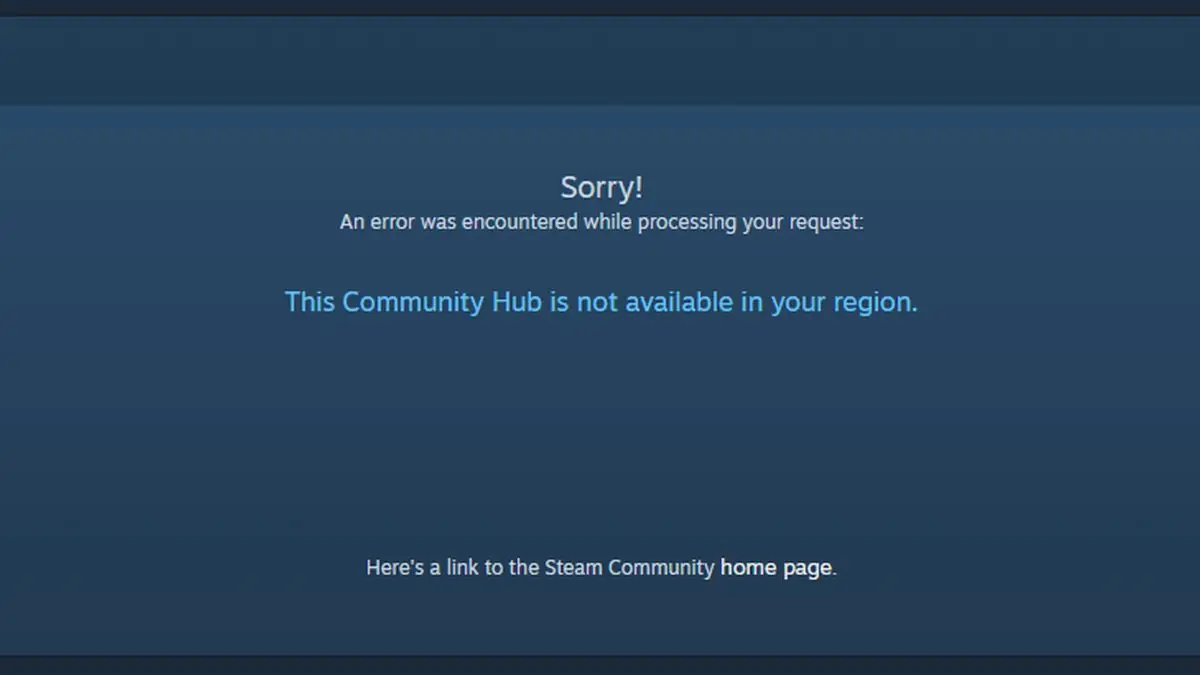
German gamers are absolutely done with Steam’s NSFW content restrictions. Like, completely over it.
While players in other countries can browse Steam’s full catalog without a care in the world, German users hit invisible walls that block entire categories of content. It’s giving digital discrimination, and the community is not having it.
The frustration is real and it’s everywhere. Just this week, players were asking the age-old question that haunts German Steam forums:
“How can one get rid of the German NSFW restrictions?” — MoskuCars on r/Steam
This isn’t just about adult games either. The restrictions can affect anything deemed “inappropriate” under German content laws. Visual novels, certain anime-style games, and even some mainstream titles with mature themes get caught in the filter.
It’s lowkey wild how different the Steam experience can be depending on where you live. Log into Steam from Germany and you’re basically playing in easy mode — except easy mode means fewer games, not more. Meanwhile, your friends in other EU countries are posting screenshots from games you literally cannot buy.
The technical side gets messy too. Steam uses IP detection and account region settings to enforce these restrictions. Some players try VPNs, others create accounts with different regional settings, but Valve’s terms of service make these workarounds risky. Get caught and you could face account suspension.
Why does Germany have such strict digital content rules? It goes back to the country’s robust content rating system and laws around protecting minors from inappropriate material online. The USK (Entertainment Software Self-Regulation Body) rates games, and anything without proper certification can face restrictions.
But here’s where it gets complicated — these laws were written for physical media distribution. Digital platforms like Steam exist in this weird gray area where old regulations meet new technology. The result? An inconsistent system that blocks some content while similar games slip through.
Other gaming platforms handle this differently. PlayStation and Xbox have their own regional restrictions, but they’re not as visible or frustrating as Steam’s system. Epic Games Store and GOG also implement regional locks, but their smaller catalogs make the issue less obvious.
The broader gaming industry is watching how this plays out. As digital distribution becomes the norm, regional content restrictions are becoming a bigger deal. Publishers have to decide whether to seek German certification for smaller titles or just skip the market entirely.
Some developers are getting creative. They’ll release “international versions” of games with content adjustments specifically for regions like Germany. Others partner with local distributors who understand the certification process better.
For German gamers, the situation feels unfair. They’re paying the same prices for Steam games but getting access to fewer titles. It’s like buying a movie ticket but being told certain scenes are blocked in your theater.
The community response has been pretty unified — they want change. Forums, Reddit threads, and Discord servers are full of discussions about the restrictions. Some organize to contact Steam support, others petition for clearer policies.
What makes this especially frustrating is the lack of transparency. Steam doesn’t clearly communicate which games are restricted or why. Players often discover blocks only when trying to buy or view certain titles. There’s no comprehensive list or explanation of the criteria used.
The business impact is real too. German developers and publishers lose potential sales when their games get caught in these restrictions. International indie developers might avoid German content ratings altogether, effectively shutting themselves out of a major European market.
Looking ahead, this problem isn’t going away anytime soon. If anything, it might get worse as more countries implement their own digital content regulations. The EU is working on unified digital services laws, but those focus more on data privacy than content restrictions.
Steam could do better here. Clearer communication about restrictions, easier appeals processes, and more granular content controls would help. But that requires Valve to prioritize an issue that primarily affects one region.
For now, German gamers are stuck playing the waiting game. They’re hoping for policy changes, better developer communication, or at least more transparency from Steam about what’s blocked and why.
One thing’s for sure — this conversation isn’t ending anytime soon. As long as digital gaming keeps growing and regional laws stay fragmented, players will keep pushing for equal access to the games they want to play.