Picture this: you’re scrolling through Steam‘s endless catalog of 50,000+ games, and somewhere in that digital void is the next Hades or Celeste, just waiting to blow your mind. But it’s buried under algorithm noise and big studio marketing budgets. That’s where Twitter’s indie game community is stepping up with something that feels like a rebellion against the machine.
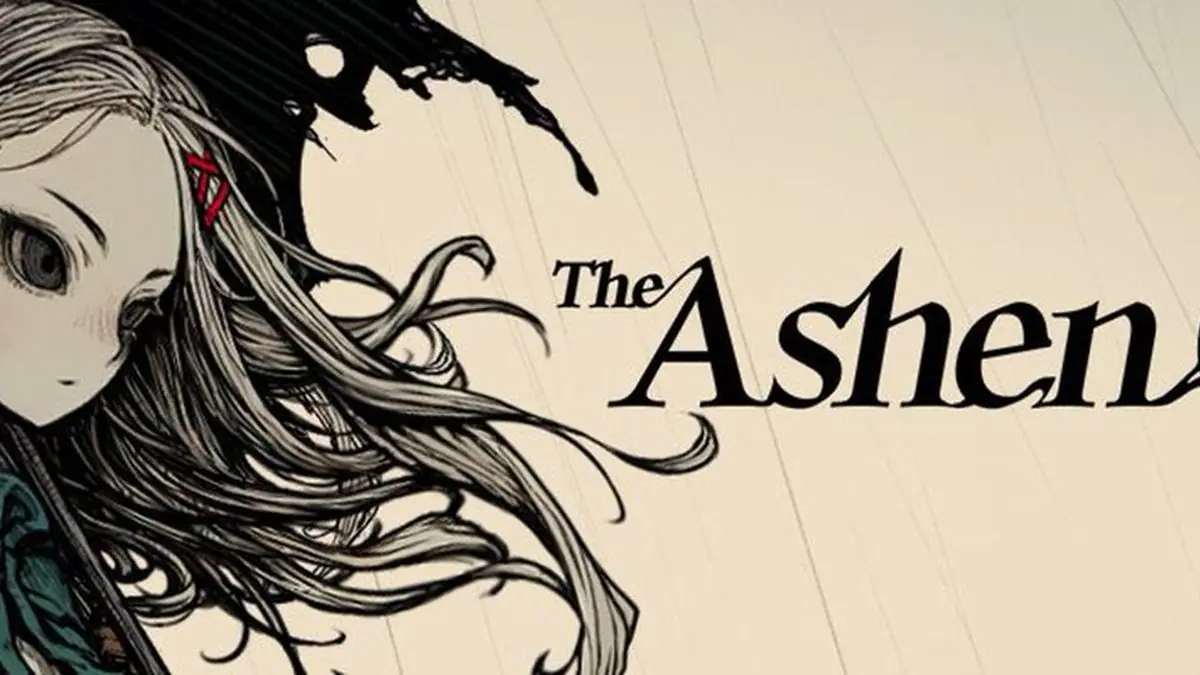
‘Indie Spotlight Tuesdays’ isn’t just another hashtag – it’s turning into a proper discovery engine for games that would otherwise disappear into Steam’s black hole. This week’s featured title, The Ashen Oz, shows exactly how this grassroots movement works.
“🎮 INDIE SPOTLIGHT TUESDAYS 🎮
⭐ Featured: The Ashen Oz – @OzAshborne
🔗 Steam Link: Comments ⬇️
Indie devs – drop your game below:
🎬 Trailer or screenshots
📝 Tell us about it
🔗 Steam or platform link
Let’s put more great games on the map 👇
IndieGame #IndieDev #GameDev” – @theejankanator
The format is brilliant in its simplicity. Every Tuesday, the community spotlights one indie game while creating a space for other developers to pitch their projects. It’s like having a weekly sci-fi convention vendor hall, but for undiscovered gaming gems.
What makes this work isn’t just the promotion – it’s the structure. Developers don’t just drop links and hope for the best. They’re asked to bring trailers, screenshots, and actual descriptions of their games. It forces creators to think like marketers, which most indie devs absolutely hate doing but desperately need to learn.
The Ashen Oz landing in this spotlight is perfect timing. Indie games need momentum to break through Steam’s algorithm, and community-driven promotion like this creates the kind of organic engagement that actually moves the needle. When real players share and discuss games, it carries way more weight than any paid ad campaign.
But here’s where it gets interesting from a bigger picture view. We’re watching the gaming community essentially build its own recommendation system from scratch. Steam’s discovery tools are notoriously bad at surfacing hidden gems. The algorithm favors games that already have traction, creating a brutal catch-22 for new developers.
This grassroots approach reminds me of how sci-fi fandom works – passionate communities that dig deep to find the weird, wonderful stuff that mainstream media ignores. Remember how Firefly only lasted one season on TV but became a cultural phenomenon through word-of-mouth? Same energy, different medium.
The timing couldn’t be better either. Indie gaming is having a massive moment right now. Pizza Tower, Cocoon, Sea of Stars – these games are proving that small teams can create experiences that rival anything from major studios. But for every breakout hit, there are hundreds of amazing games that never find their audience.
What’s really smart about Indie Spotlight Tuesdays is how it builds community around discovery itself. It’s not just “buy this game” – it’s “let’s explore what’s out there together.” That collaborative spirit is what makes gaming culture special, and it’s exactly what indie developers need to cut through the noise.
The format also solves a key problem in indie game marketing. Most solo developers are great at making games but terrible at talking about them. Having a structured weekly format gives them a template for how to pitch their work effectively. It’s like training wheels for game marketing.
Looking ahead, this kind of community-driven discovery could become the standard for how indie games find their audiences. As Steam gets more crowded and traditional marketing becomes more expensive, grassroots movements like this might be the difference between success and obscurity.
The real test will be whether initiatives like this can scale without losing their personal touch. Right now, it feels intimate and genuine. But if it gets too big, it could turn into just another marketing machine.
For now though, it’s working exactly as intended. The Ashen Oz is getting exposure it probably wouldn’t have found otherwise, other developers are learning how to present their games, and players are discovering stuff they never would have stumbled across. That’s a win for everyone involved.
Next Tuesday, another game gets its moment in the spotlight. And somewhere out there, the next indie masterpiece is getting ready to emerge from the digital void.