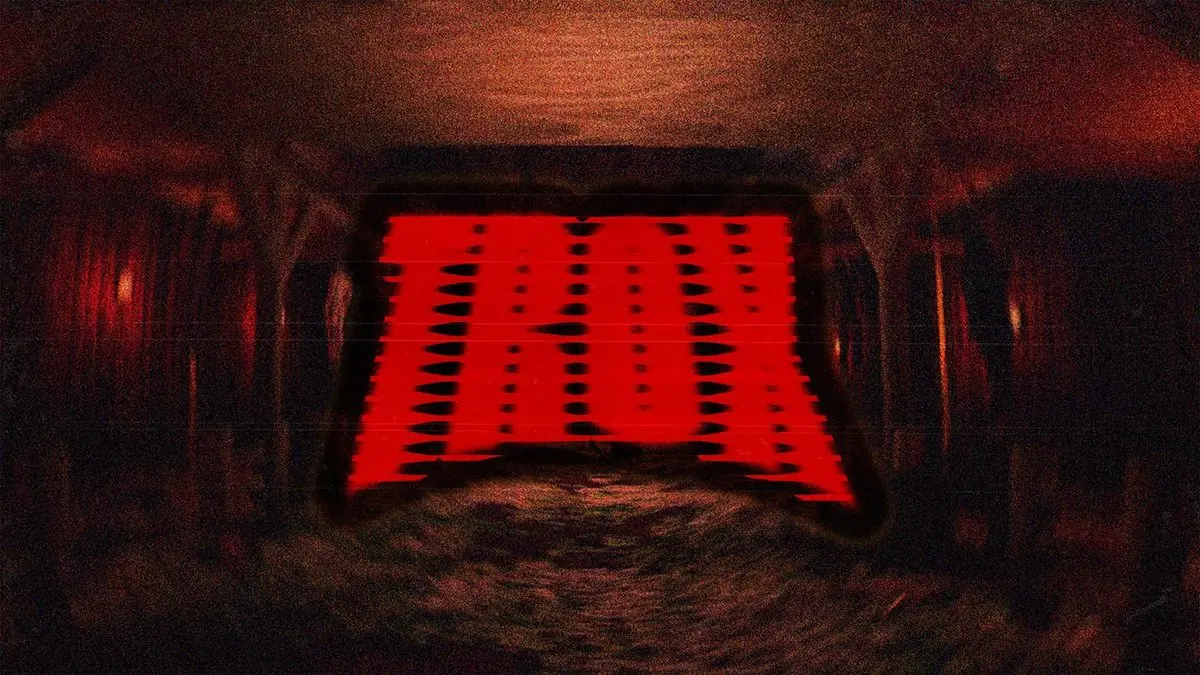
Nintendo Switch players expecting a full gaming experience from Trox got a rude awakening. The indie title costs $5 on the eShop, but delivers only 10-15 minutes of gameplay. That’s because what’s being sold isn’t actually the complete game – it’s a demo.
The discovery has left players scratching their heads and checking their receipts. For the price of a fancy coffee, gamers thought they were getting a new indie adventure. Instead, they got what amounts to an expensive preview.
The issue came to light when one Reddit user couldn’t believe what they’d experienced. After playing through Trox in less time than it takes to grab lunch, they felt compelled to share their shock with the Nintendo Switch community.
“This new release on Eshop called ‘Trox’ is a demo for a full game that is priced at 5$… This is NOT the full game. This is the demo of the game. The demo is about 10-15 minutes long, and it costs 5$. I believe it is on sale now for 2.50$ instead. I was so shocked by what I had played that I went back and played it again to confirm I wasent going crazy.” – u/Throwaway753045 on r/NintendoSwitch
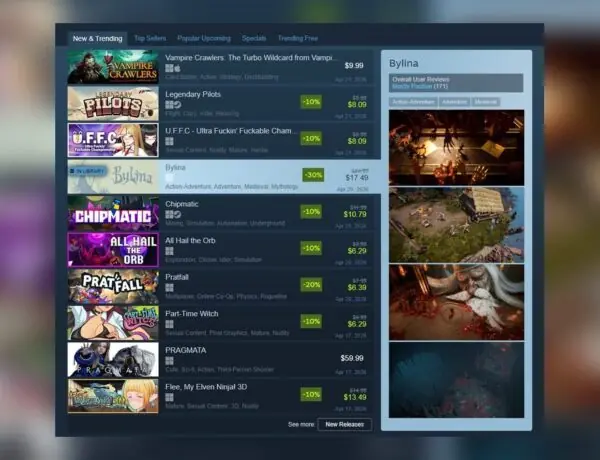
The player’s confusion is totally understandable. When you browse the Nintendo eShop and see a game priced like a typical indie title, you expect to get a complete experience. A quick check of Steam reveals that Trox is indeed listed as an upcoming full game that hasn’t launched yet.
So how did a demo end up on Nintendo’s digital storefront with a premium price tag? The eShop listing apparently doesn’t make it crystal clear that buyers are getting preview content rather than the finished product. That’s a problem when people are spending real money.
The situation gets even weirder when you consider the pricing. At $5, this demo costs more than some complete indie games during sales. Even with the current discount bringing it down to $2.50, that’s still a significant ask for such a brief experience. Most demos are free, designed to entice players into buying the full game when it releases.
This isn’t just about one confused player or one questionable listing. It highlights a bigger issue with how digital storefronts handle early access, demos, and preview content. When the lines get blurry between what’s a complete game and what’s a taste of things to come, customers can feel misled.
The indie game space thrives on trust between developers and players. Smaller studios often rely on word-of-mouth recommendations and community goodwill to build their audience. Charging premium prices for demo content – especially without crystal clear labeling – can damage that crucial relationship.
For Nintendo, this situation raises questions about eShop quality control and listing standards. The platform hosts thousands of games, but incidents like this make players wonder if they can trust what they’re buying. Clear labeling and consistent standards could prevent future confusion.
It’s worth noting that the Reddit poster wasn’t trying to start drama or attack the developers. They seemed genuinely baffled by the situation and wanted to warn other potential buyers. That kind of community spirit shows how much gamers value transparency and fair dealing.
The gaming industry has experimented with different models for previews and early access over the years. Some work well, like Steam’s early access program that clearly labels unfinished games. Others, like charging full price for brief previews, tend to backfire.
Trox might be a great game when it’s complete. The demo could showcase innovative mechanics or stunning art that justifies excitement for the full release. But the way it’s being presented and priced on Nintendo Switch creates unnecessary friction between the developers and their potential audience.
Moving forward, this situation serves as a reminder for both developers and platform holders. Clear communication about what players are buying protects everyone involved. Gamers get what they expect, developers avoid negative feedback from confused customers, and platforms maintain trust in their marketplaces.
As for Trox itself, the full game will likely launch on Steam and hopefully provide the complete experience that Nintendo Switch players thought they were getting. When that happens, the controversy over the demo pricing might fade into a footnote. But the lesson about transparency in digital game sales will remain relevant for the entire industry.