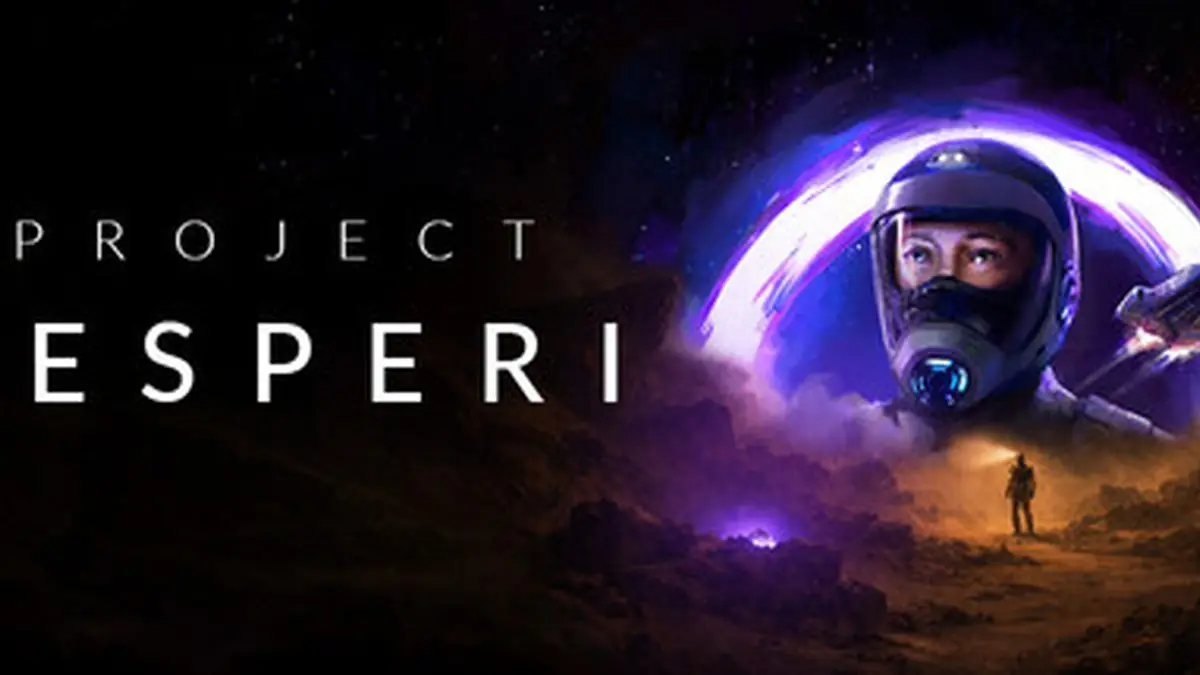
Mission accomplished. After four years in development, Project Vesperi hit its launch target today. Last Praetorian Interactive pulled off something most student teams never manage. They actually shipped.
This isn’t another indie game that got lucky. This is a calculated operation. The team went from students to professionals during a four-year campaign that would break most amateur developers. They stuck to their objectives. They delivered.
The studio announced the successful deployment across all channels:
“Project Vesperi is OUT NOW. Our student-to-indie team at Last Praetorian Interactive is thrilled to announce that Project Vesperi is out now! Making this game has been a passion-filled endeavor that’s spanned the last four years, and we’re excited to release Project Vesperi as our indie studio’s debut game.” – Project Vesperi on Steam
Smart tactical decision. They’re offering a 10% launch discount for two weeks. That’s how you secure early adoption. Get players invested before the market moves to the next target.
The team didn’t half-ass the release either. They’ve got a Supporter Edition bundled with the original soundtrack. Lu Cheng composed the music. That shows they understand the complete package matters. Audio design wins battles in narrative games.
Project Vesperi wasn’t the only game that went live today. The battlefield was crowded:
“🎮 Game releases – Apr 24th: 1. Little Nightmares VR: Altered Echoes 2. Yunyun Syndrome!? Rhythm Psychosis 3. Project Vesperi 4. Snap & Grab 5. Fatal Fury: City of the Wolves – Wolfgang Krauser” – @DailyG_R
Five games launched on the same day. That’s brutal competition. Most indie developers would postpone. Not Last Praetorian Interactive. They held their ground and executed their mission.
Here’s what this really means. Student-to-indie transitions usually fail. The skillset for making a class project doesn’t transfer to commercial development. Different rules. Different pressure. Different standards.
Most student teams disband after graduation. Real jobs pay better than grinding on indie projects. Last Praetorian Interactive kept their unit intact for four years. That takes serious commitment.
The single-player narrative focus was the right call. No multiplayer infrastructure to maintain. No live service complications. Pure story-driven experience. That’s a manageable scope for a first commercial release.
They’re asking for reviews and word-of-mouth marketing. Standard indie playbook. No marketing budget means community support becomes critical. But they earned it by actually finishing what they started.
The four-year timeline tells you everything about their operation. Most indie games with that development cycle either get cancelled or release broken. Project Vesperi shipped complete. That’s professional-grade project management.
Branching narrative games require precise execution. Every story path needs testing. Every choice needs consequences. The technical debt adds up fast. Somehow they managed the complexity without losing control.
What happens next will define Last Praetorian Interactive as a studio. First game success doesn’t guarantee the second one. But they’ve proven they can execute under pressure. They understand scope management. They know how to ship.
The Supporter Edition strategy shows they’re thinking long-term. Building a community that will fund future projects. Smart business tactics for an indie studio.
Project Vesperi goes head-to-head with Little Nightmares VR and Fatal Fury DLC today. Tough competition. But they’ve got their niche locked down. Single-player narrative games have dedicated audiences.
The real test starts now. Post-launch support. Community management. Planning the next project while supporting the current one. That’s where most indie studios stumble.
But this team survived four years of development hell. They can handle whatever comes next. Mission complete. New objectives incoming.