
The funeral bells tolled for point-and-click adventures years ago. Critics declared the genre buried beneath the weight of its own frustrations — moon logic puzzles that made no sense, dead-end scenarios that trapped players, and controls that felt like wrestling with digital molasses.
But like any good horror story, what we thought was dead has been stirring in its grave.
A passionate gamer just dropped a revelation that’s sending shockwaves through the adventure gaming community. The genre isn’t just alive — it’s thriving with a renaissance that’s been happening right under our noses.
“PSA: There are amazing new point&click adventures out there. Here’s a list… I often hear that point-and-click adventures are dead, or that nobody makes good new games in the genre anymore. This usually comes from people who actually like the genre, but since mainstream media largely neglects to report on it, they simply don’t know better.” — @Good_Punk2
This isn’t just nostalgia talking. The thread reveals 17+ modern adventures that have learned from the genre’s past sins. These aren’t cheap imitations or retro cash grabs — they’re evolved creatures that understand what made the classics special while cutting away everything that made them painful.
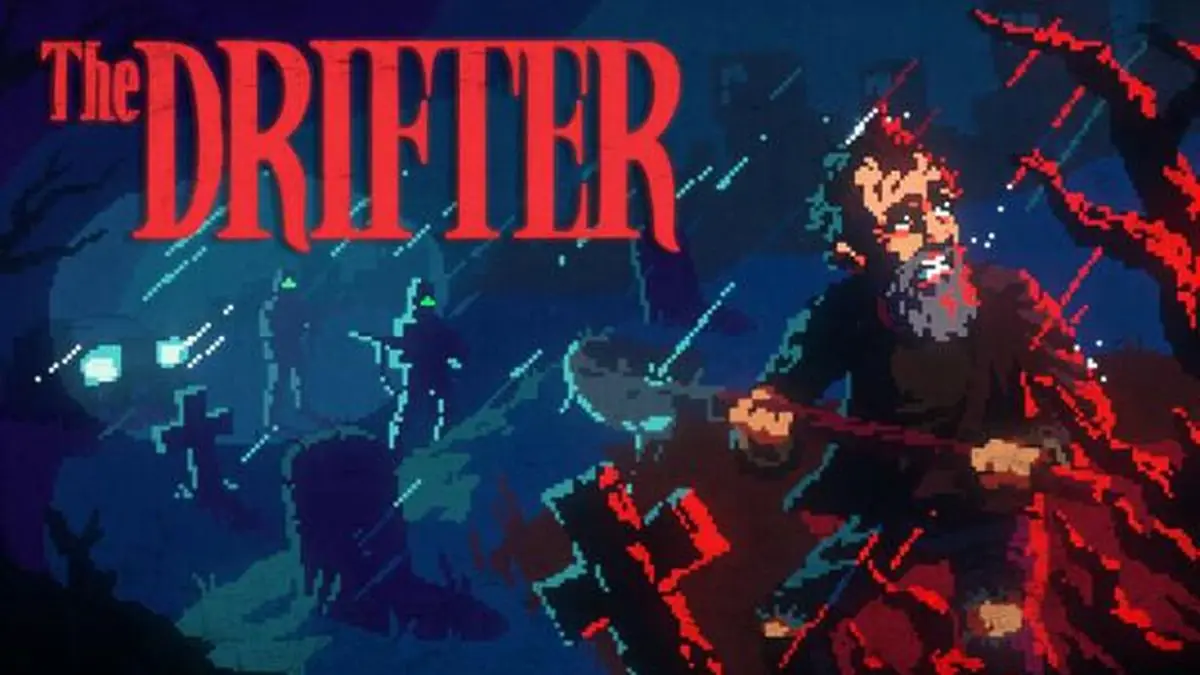
The horror and mystery subgenre leads this resurrection army. Games like The Excavation of Hob’s Barrow and Kathy Rain 2: Soothsayer blend atmospheric dread with pixel-art mastery that would make the old LucasArts teams weep with pride. The Crimson Diamond delivers classic detective thrills without the classic detective headaches.
What’s striking about this list is how it reveals the genre’s artistic evolution. These developers didn’t just copy the past — they studied it like archaeologists, preserving the soul while rebuilding the body. The dreaded moon logic that once plagued adventures? Gone, replaced by puzzles that actually make sense in their worlds. The punishing death sequences that sent players back hours? Extinct, killed off by quality-of-life improvements that respect your time.
The renaissance extends beyond horror into comedy and drama too. Each entry represents developers who grew up loving adventure games but refusing to accept their flaws as sacred. They asked the dangerous question: what if we could have all the narrative magic without the artificial barriers?
Steam has become the unlikely savior in this story. While major publishers chased the latest trends, indie developers quietly built their kingdoms in Steam’s vast marketplace. The platform’s discovery tools and community features create perfect hunting grounds for adventure fans seeking their next obsession.
But here’s the tragedy buried in this triumph — mainstream gaming media has largely ignored this renaissance. While outlets chase AAA spectacles and live-service controversies, genuine innovation happens in the shadows. Adventure fans think the genre died because nobody’s talking about its rebirth.
This media blind spot creates a cruel irony. The very people who would love these games most — the nostalgic fans who remember the genre’s golden age — remain unaware they exist. They’re mourning something that never actually died, just moved to a different neighborhood.
The artistic achievement here can’t be overstated. These aren’t just games; they’re proof that you can honor tradition while embracing progress. Each title on this list represents hours of careful design, removing friction without removing challenge, streamlining without dumbing down.
Look at the visual styles too — pixel art and hand-painted aesthetics that prove technical limitations can birth artistic freedom. These developers understand that atmosphere often matters more than polygons, that a perfectly placed shadow can create more tension than any explosions.
The renaissance also reveals adventure gaming’s secret superpower: intimate storytelling. While open-world games sprawl across hundreds of hours, adventures focus their energy like a laser beam. Every screen matters. Every character serves the narrative. Every puzzle advances the story.
This focused approach creates experiences that stick with you long after the credits roll. Horror adventures especially understand this power, building dread through careful pacing rather than cheap scares.
So what’s next for this unlikely resurrection? The momentum is clearly building. More developers are discovering they can create meaningful experiences without massive budgets or teams. The tools are better, the audience is hungry, and the artistic vision is clearer than ever.
Expect this renaissance to keep growing. Word of mouth spreads faster than ever in gaming communities, and quality always finds its audience eventually. The point-and-click adventure isn’t just back — it’s better than it ever was, armed with decades of wisdom about what makes interactive stories truly great.
The genre that taught us to think, to explore, and to dream has returned from its supposed grave stronger and wiser. Welcome back, old friend. We missed you more than we knew.